Drunk vs. High: Guess Who's Altered?
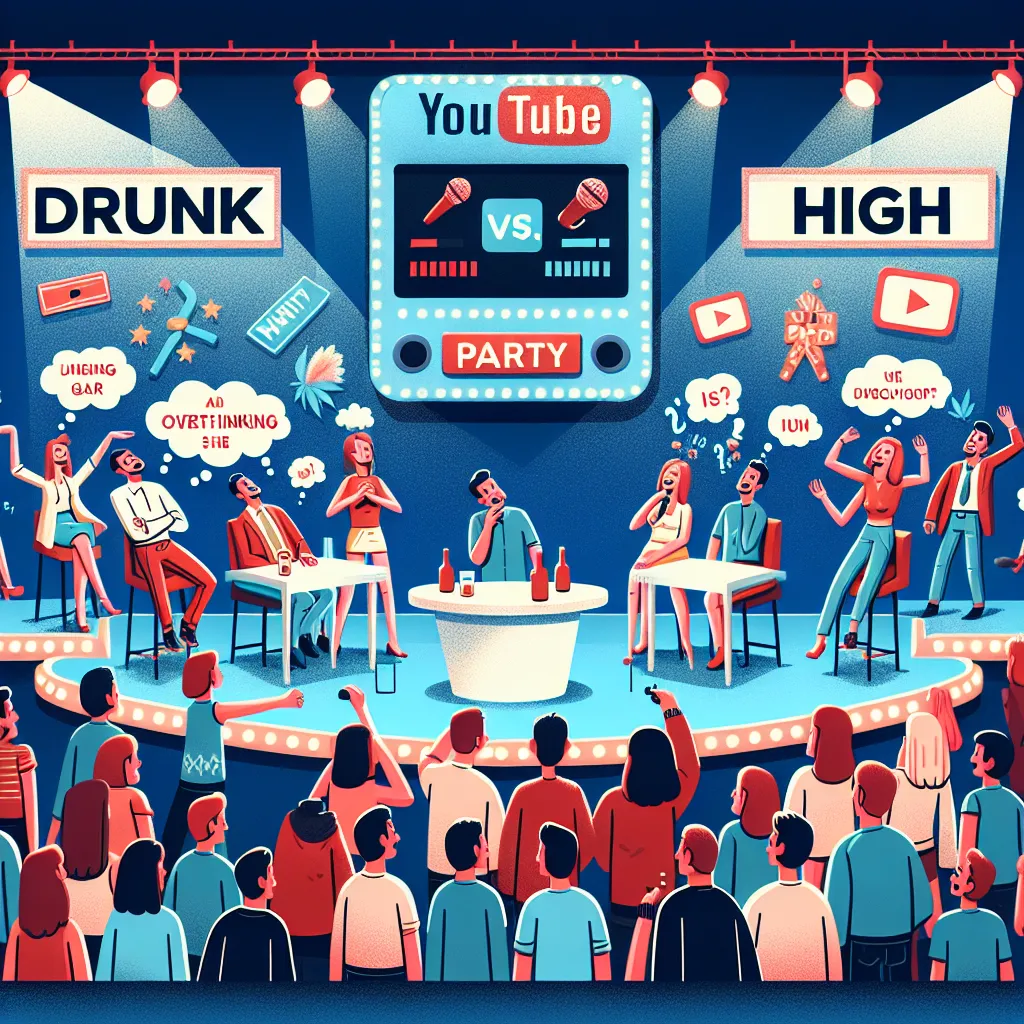
There are endless game shows built around trivia, talent, or survival, but almost none built around the social guessing games people already play at parties. Drunk vs. High would be a comedy game show where contestants complete challenges, answer weird questions, or perform simple tasks while a panel or audience tries to guess who’s drunk and who’s high. The hook is not substance use itself, but the entertainment value of watching altered behavior show up in different ways: one side overthinks, the other side loses focus, and the reveal becomes the punchline. This works now because low-budget social formats thrive on streaming and clips, and the best new game concepts are easy to explain in one sentence. It could live as a YouTube format, party card game, or even a Jackbox-style experience.
Description
No additional description provided.
The Pitch
In a landscape dominated by trivia and talent game shows, a fresh concept emerges—Drunk vs. High. This comedy game show capitalizes on the inherent entertainment of social guessing games, transforming casual party antics into a structured, interactive experience. The premise is simple yet engaging: contestants partake in challenges, answer quirky questions, or perform tasks while the audience or a panel attempts to discern whether they're under the influence of alcohol or cannabis. The entertainment value lies in the altered behaviors—while one contestant might overanalyze, another could lose concentration, setting the stage for laughter and unexpected revelations.
**Backstory**
The idea for Drunk vs. High sprouted from informal party games and social gatherings. Many people have experienced moments where friends exhibit unusual behavior, sparking lighthearted debates about the cause. With the legalization and normalization of cannabis in many regions and the universal familiarity with alcohol, these conversations have become more prevalent. Recognizing this cultural shift presents an opportunity to encapsulate these relatable and humorous moments into a format that can be shared more broadly.
**Identifying the Problem**
The current entertainment landscape lacks light-hearted content that humorously explores everyday social interactions involving altered states. While numerous shows focus on extreme talent or obscure trivia, few tap into the universally understood and often comedic nuances of social judgment and interaction affected by common substances.
**Solution and Product Details**
Drunk vs. High provides a solution by delivering an easily digestible, humorous game show format that can be adapted across various platforms:
1. **Format**: The show can be produced for both traditional streaming platforms and digital content hubs like YouTube. This flexibility allows for varying episode lengths and styles, from short clips to full-length shows.
2. **Interactive Elements**: Encourage audience participation through live voting or guessing, enhancing engagement and community building.
3. **Extensions**: Beyond the screen, the concept could evolve into a party card game or digital experiences similar to Jackbox, broadening its reach and creating additional revenue streams.
4. **Content Strategy**: Highlight the natural humor in sober analysis gone awry and unexpected focus lapses, ensuring that the core of the show always remains entertaining rather than encouraging substance use.
**Tools for Easy MVP Launch**
1. **Production Equipment**: Use affordable but high-quality cameras and microphones to capture content. Platforms like OBS Studio can facilitate multi-camera live streaming at a low cost.
2. **Editing Software**: Utilize tools like Adobe Premiere Pro or Final Cut Pro for polished post-production, or opt for simpler free alternatives like DaVinci Resolve to manage budget constraints.
3. **Distribution Platforms**: Leverage YouTube for initial releases, taking advantage of its massive user base and monetization options. Platforms like TikTok and Instagram can be used to share snippets and engage with potential viewers.
4. **Community Engagement**: Create and manage social media accounts to build anticipation, share behind-the-scenes content, and engage directly with the audience to foster a loyal community.
**Go-to-Market Strategy**
1. **Target Audience**: Focus on millennials and Gen Z, who are more open to discussions around cannabis and casual drinking, and are active on social media where such content naturally circulates.
2. **Partnerships**: Collaborate with influencers and comedians who align with the show's humor and can bring credibility and an existing audience base.
3. **Pilot Episodes**: Launch a series of pilot episodes to gauge audience interest, using feedback for refinement before expanding the series.
4. **Marketing**: Implement a digital marketing strategy with a strong emphasis on social media platforms popular with the target demographic. Viral campaigns emphasizing audience interaction can lead to quicker growth.
**Business Model**
1. **Monetization**: Begin with ad revenue from YouTube and explore partnerships or sponsorships with brands that align with the show’s theme, moving towards premium content or subscription models if successful.
2. **Merchandising**: Develop themed merchandise or expand the concept into purchasable games for at-home entertainment.
3. **Licensing Opportunities**: In the long run, consider licensing the concept to larger networks or international markets willing to adapt the format.
Drunk vs. High has the potential to disrupt traditional game show paradigms by leveraging humor and cultural trends, making it a compelling venture in today’s dynamic media landscape.