Drones Revolutionize Stroke Response with Rapid Aid
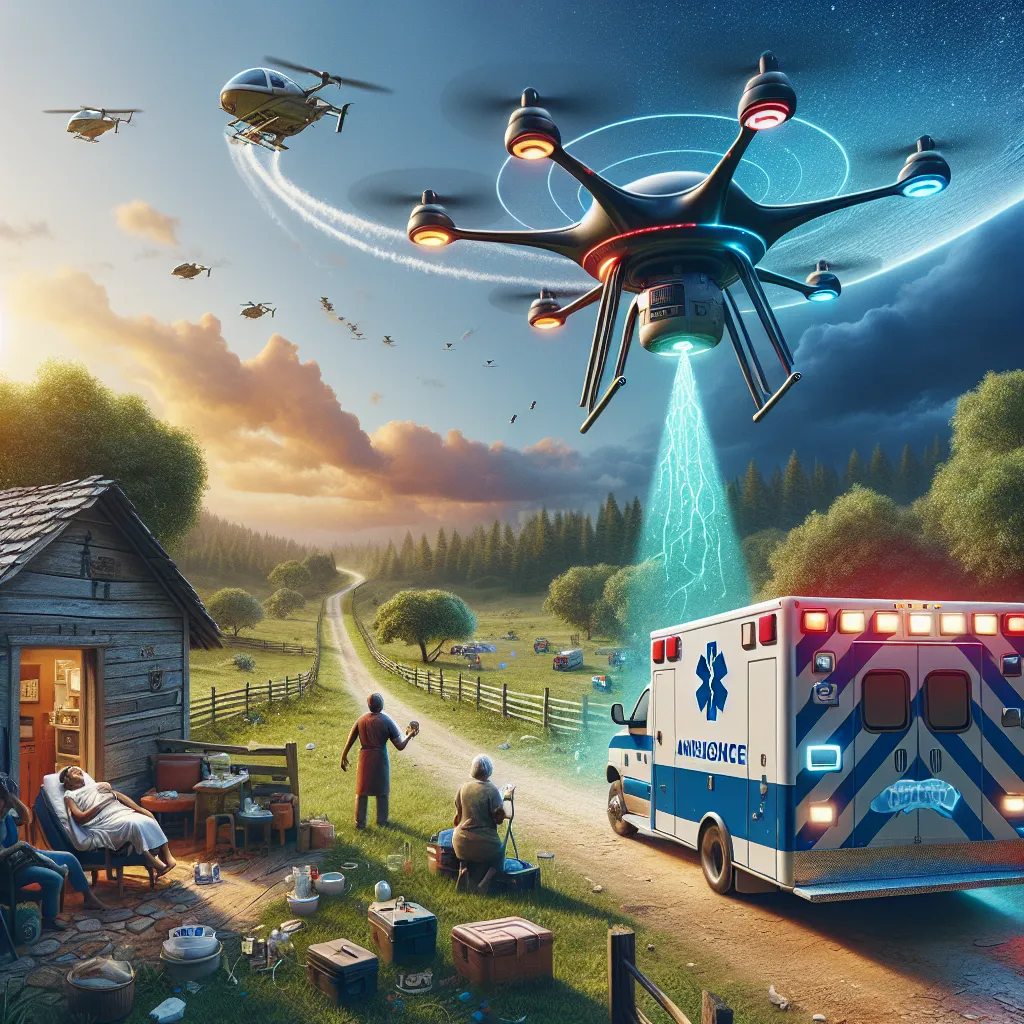
Every second counts during a stroke, yet ambulances are often delayed by traffic or distance, especially in rural areas. Existing drone tech is used for defibrillators and basic medical supplies but hasn’t been deployed for stroke response. A breakthrough solution would be an emergency drone dispatch network for strokes: when FAST symptoms are detected, users summon a drone carrying clot-busting kits and a telemedicine terminal. The drone arrives in minutes, connecting patients to neurologists who can guide first response while an ambulance is en route. Thanks to matured drone delivery infrastructure and loosened telehealth regulations, this is technically feasible now. Imagine a world where instead of waiting 15–30 minutes for an ambulance, a lightweight medical drone lands on your lawn in five — starting critical intervention and radically improving survival and recovery odds.
Description
No additional description provided.
The Pitch
In the context of medical emergencies, particularly strokes, time is of the essence. The current reliance on ambulances often results in significant delays due to traffic congestion or the long distances emergency vehicles must travel, especially in rural areas. This delay can severely impact the outcome for stroke patients. While existing drone technology has been utilized for delivering defibrillators and basic medical supplies, it has yet to be effectively integrated into stroke response strategies.
This situation presents an opportunity to develop an innovative solution: an emergency drone dispatch network specifically designed for stroke incidents. The premise is simple: when symptoms suggesting a stroke, such as facial drooping, arm weakness, or speech difficulties, are identified, an emergency call triggers the dispatch of a drone. This drone, equipped with clot-busting kits and a telemedicine terminal, would reach the patient in a matter of minutes.
Upon arrival, the drone facilitates immediate connection with neurologists via telemedicine. This allows medical professionals to guide the initial response, ensuring that crucial steps are taken even before an ambulance arrives. By leveraging the advancements in drone delivery infrastructure and the easing of telehealth regulations, this solution is not only technically feasible but also timely.
Product Details: 1. **Clot-Busting Kits**: The drone is equipped with lightweight, easy-to-use kits for immediate application upon arrival. These kits include basic medical implements necessary for initial intervention.
2. **Telemedicine Terminal**: A robust setup on the drone enables real-time communication with a neurologist, allowing for remote assessment and guidance through crucial first steps.
3. **Lightweight Drone Design**: Designed for rapid response, the drone is capable of navigating diverse environments and can land in various terrains, ensuring accessibility.
4. **Integration with Emergency Services**: This system would be an extension of existing emergency services, with the drone network complementing traditional ambulance services.
To bring this solution to life as a Minimum Viable Product (MVP), several tools and strategies can be leveraged:
Tools for MVP Development: 1. **Drone Hardware and Software**: Utilize existing drone technology that is adaptable for medical use, paired with custom software for emergency dispatch and telecommunication capabilities.
2. **Telehealth Platforms**: Integration with established telehealth platforms will streamline the setup process, capitalizing on their existing infrastructure for medical consultations.
3. **Logistics and Mapping Software**: Critical for planning and executing efficient flight paths, ensuring fast delivery even in challenging environments.
Go-to-Market (GTM) Strategy: 1. **Partnerships with Medical Institutions**: Collaborate with hospitals and healthcare providers to pilot the system in select regions, gathering data and testimonials to validate efficacy.
2. **Regulatory Approval and Compliance**: Work closely with healthcare and aviation regulators to secure permissions and ensure compliance with safety standards.
3. **Public Awareness Campaign**: Educate the public on recognizing stroke symptoms and using the drone dispatch system, emphasizing the life-saving potential of timely intervention.
Business Model: 1. **Subscription Service for Healthcare Providers**: Charge hospitals or healthcare networks a subscription fee for access to the drone dispatch service, offsetting costs and ensuring widespread availability.
2. **Pay-Per-Use Model for Individuals**: Allow individuals to use the service on a pay-per-use basis, making it accessible for those without hospital subscriptions.
3. **Government and Non-Profit Funding**: Seek grants or funding from governmental and non-profit organizations focused on improving rural healthcare outcomes.
By harnessing the potential of drone technology and telemedicine, this emergency drone dispatch network could revolutionize stroke response, significantly improving survival and recovery rates.