Drift: Transforming Idle Robotaxis into Micro-Rides
A robotaxi with no passengers is a wasted opportunity. Drift lets fleets open spare seats during repositioning drives for “micro-rides”: quick, cheap hops that connect under-served areas or errands. Passengers can request seats at ultra-low prices, and fleets offset empty miles with extra revenue. Over time, Drift becomes the invisible filler between premium rides — turning dead-heading into discovery, like Waze Carpool meets idle Uber AVs. The app gamifies mobility waste into social efficiency.
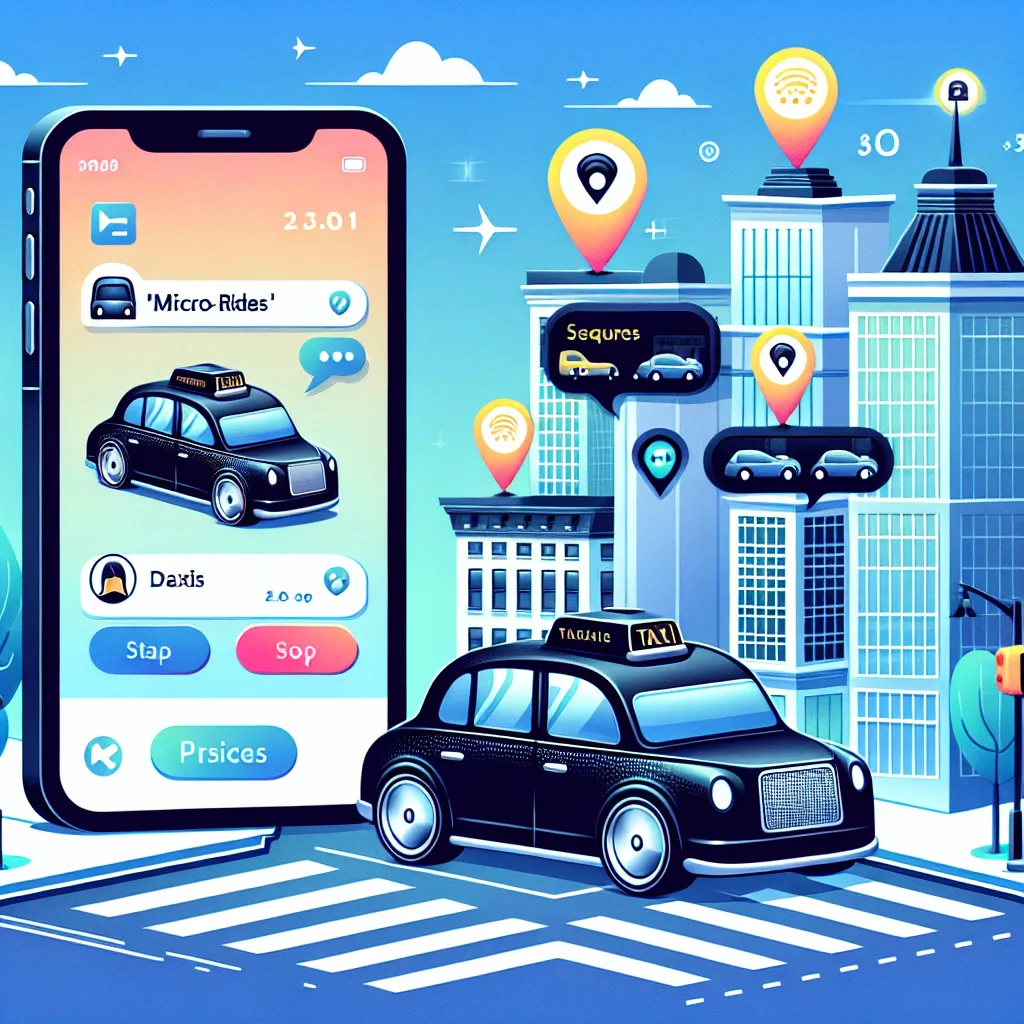
Description
No additional description provided.
The Pitch
In the evolving landscape of urban mobility, autonomous vehicles (AVs) are emerging as a pivotal component. Despite their potential, a significant challenge remains: optimizing the empty journeys these vehicles take when repositioning. Drift introduces a transformative solution, tapping into untapped opportunities by offering micro-rides during these deadhead miles.
The Backstory:
As autonomous vehicles gain traction, fleet operators face a notable inefficiency. Each day, numerous AVs travel without passengers while repositioning for their next assignment. This accumulated deadhead mileage represents significant unrealized potential, both in terms of revenue and social impact. In an era focused on sustainability and urban accessibility, these empty miles present not just a logistical challenge but a wasted opportunity for sustainable community connectivity.
The Problem:
The problem at hand is the substantial volume of underutilized journeys taken by AVs. These empty drives contribute to congestion and emissions without any tangible benefit, undermining the promise of autonomous technology. Furthermore, areas with underserved transit options miss out on affordable and efficient mobility solutions.
The Solution:
Drift proposes an innovative approach to address this inefficiency. By allowing autonomous vehicle fleets to offer micro-rides during repositioning, Drift connects passengers to cost-effective, short-distance travel options. These micro-rides are particularly beneficial for underserved urban areas or individuals seeking quick, budget-friendly transportation for small errands.
Product Details:
Drift is a platform designed to seamlessly integrate with existing autonomous fleet management systems. It enables drivers or fleet operators to designate available seats on AVs during repositioning trips, offering them to passengers at ultra-low prices. Key product features include:
1. **Real-Time Seat Availability:** Passengers can access real-time information on available micro-rides through an intuitive app interface.
2. **Dynamic Pricing:** The app uses algorithms to determine competitive ride prices based on demand, distance, and travel time, ensuring affordability.
3. **Social Efficiency Gamification:** Users earn points and rewards for choosing eco-friendly travel options, promoting community engagement and sustainable practices.
4. **Integrated Payments and Booking:** A streamlined process for booking and payment through the app, enhancing user convenience and encouraging frequent use.
Tools for Easy Launch:
Launching Drift as a Minimum Viable Product (MVP) is facilitated by leveraging existing technologies and platforms. These include:
- **API Integrations:** Collaborate with existing AV fleet management systems for seamless implementation. - **App Development Platforms:** Utilize tools like Flutter or React Native for cross-platform app development. - **Cloud Services:** Employ AWS or Google Cloud for reliable backend infrastructure and data management. - **Map and Navigation APIs:** Integrate with providers like Google Maps or Mapbox for precise journey mapping and tracking.
Go-to-Market (GTM) Strategy:
The GTM strategy for Drift should be multifaceted, emphasizing partnerships and community engagement:
- **Partnerships with AV Fleets:** Establish alliances with major AV operators to integrate Drift into their systems. - **Target Urban Areas:** Focus initial efforts on cities with high AV concentrations and underserved areas to maximize impact. - **Community Engagement Programs:** Work with local governments and community organizations to raise awareness and encourage adoption. - **Promotion and Referral Incentives:** Implement referral programs and promotional offers to drive initial user acquisition and engagement.
Business Model:
Drift operates on a dual-sided business model:
1. **Passenger Revenue:** A small fee is charged on each micro-ride, offering value to passengers while generating steady revenue. 2. **Fleet Revenue Sharing:** Autonomous fleet operators benefit by sharing a percentage of micro-ride revenue, incentivizing widespread adoption. 3. **Data and Insights Offering:** Over time, Drift can monetize data insights, providing valuable analytics on urban mobility patterns to city planners and transport agencies.
Conclusion:
Drift represents a compelling opportunity to transform the way we utilize autonomous vehicles, addressing inefficiencies while promoting sustainable urban mobility. By transforming deadhead miles into dynamic and efficient transportation options, Drift not only benefits fleet operators and passengers but also contributes to a more connected, sustainable urban future.