Drag-and-Drop Game Builder for Creators
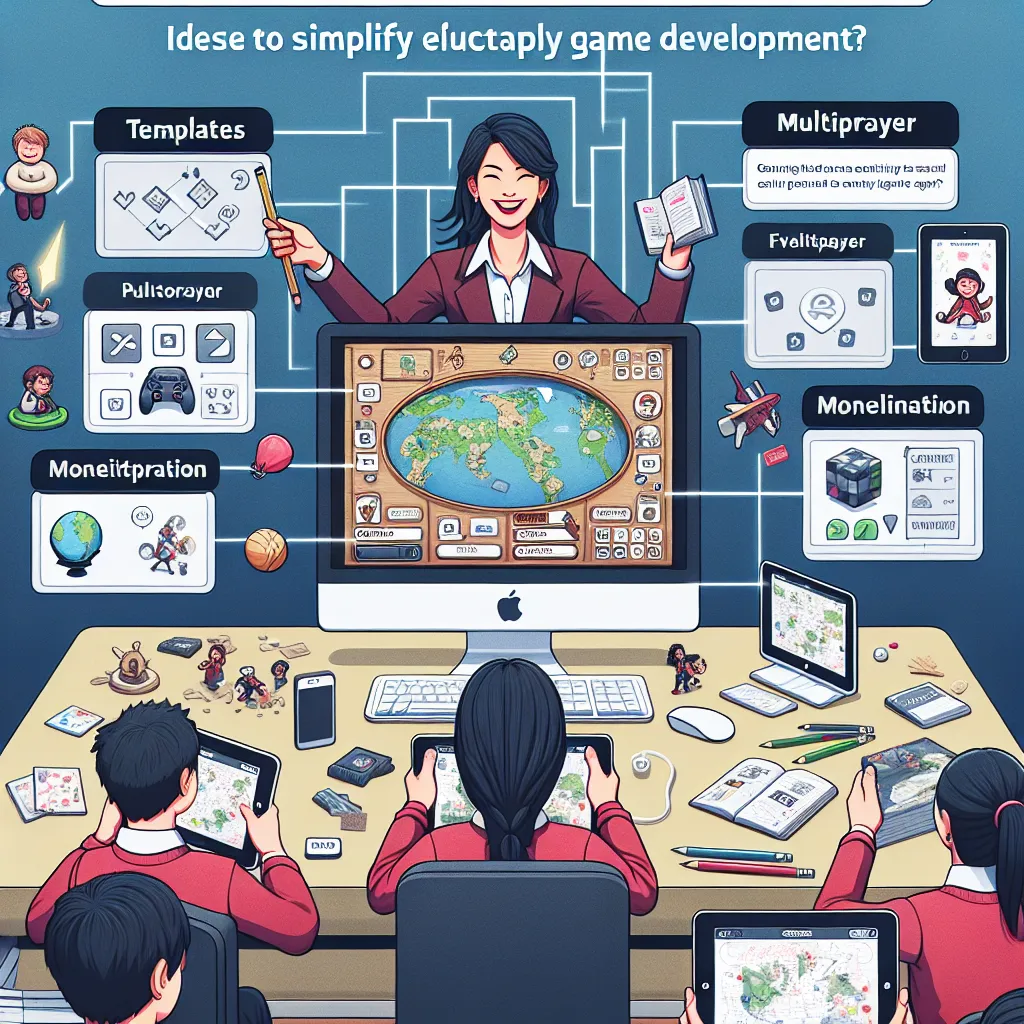
Indie developers and hobbyists have tons of creative ideas but often get stuck trying to use complex game engines. Most tools require coding, design expertise, or time-consuming setup. The problem is that it’s still too hard for creators without technical skills to build, test, and publish games—especially ones that work across web and mobile. This startup would provide an easy, drag-and-drop platform to build casual games in hours, complete with templates, multiplayer support, and monetization options like ads or digital goods. Example: A teacher uses it to build an educational geography quiz game in a weekend and shares it with students on iPads and Chromebooks.
Description
No additional description provided.
The Pitch
For years, game development has been dominated by complex engines requiring extensive coding skills and design expertise. However, there's a substantial community of creators who have brilliant game ideas but lack the technical prowess to realize them. These individuals are teachers wanting to create educational games, hobbyists aiming to entertain themselves and others, or indie developers testing new concepts without prior technical knowledge.
Problem: The primary challenge for many aspiring game developers is the steep learning curve associated with existing game engines. These tools often demand significant investment in terms of time and skill acquisition, which can discourage creativity and limit the diversity of games produced. Moreover, building games that function seamlessly across both web and mobile platforms requires additional technical knowledge, further complicating the process.
Solution: The proposed solution is GameCraft, a drag-and-drop game development platform designed to empower creators of all skill levels. GameCraft enables anyone to build, test, and publish games rapidly, without the need for coding or technical expertise. The platform is specifically designed for accessibility and ease of use, allowing creators to focus on their ideas rather than technical hurdles.
Product Details: GameCraft offers the following features to facilitate seamless game development:
1. Intuitive Drag-and-Drop Interface: Users can build games by simply dragging and dropping elements, making the creation process visual and straightforward.
2. Ready-to-Use Templates: The platform provides a range of templates for various game genres, allowing creators to quickly start building and customize to their needs.
3. Cross-Platform Compatibility: Games developed on GameCraft work effortlessly across web and mobile devices, including iPads, Chromebooks, and smartphones.
4. Multiplayer Support: Built-in features enable the creation of multiplayer games, fostering social interactions and enhancing user engagement.
5. Monetization Options: GameCraft offers multiple monetization strategies, including in-game ads and digital goods, ensuring creators can profit from their work.
Tools for Easy MVP Launch: To facilitate the launch of a Minimum Viable Product (MVP), the following tools and resources are recommended:
- Wireframe Tools: Use tools like Figma or Balsamiq to design the platform interface. - Prototyping Software: Utilize software such as Adobe XD or InVision for user testing and feedback. - Backend Services: Employ cloud-based backend solutions like Firebase for real-time data management and user authentication. - Payment and Monetization Services: Integrate Stripe or AdMob for managing transactions and advertisements.
Go-To-Market (GTM) Strategy: To successfully introduce GameCraft to the market, the following GTM strategy is proposed:
1. Target Audience: Focus on non-technical creators, including educators, hobbyists, and indie developers. 2. Community Building: Establish a community through social media platforms and forums where creators can share experiences and offer support. 3. Educational Content: Develop tutorials, webinars, and online courses to guide users in maximizing the platform's potential. 4. Strategic Partnerships: Collaborate with educational institutions and game development communities to promote GameCraft. 5. Events and Contests: Organize game development contests and hackathons to showcase the platform's capabilities and attract new users.
Business Model: GameCraft will adopt a freemium model, offering core functionalities for free while providing premium features through a subscription service. Additional revenue will be generated through a revenue-sharing model on in-game monetization and partnerships with educational institutions for specialized solutions.
Conclusion: GameCraft aims to democratize game development by removing technical barriers, enabling anyone with a creative idea to bring their vision to life. By offering a user-friendly, comprehensive platform, GameCraft empowers a new generation of creators to contribute to the vibrant world of gaming.