Drag-and-Drop Biology: No-Code Genetic Design
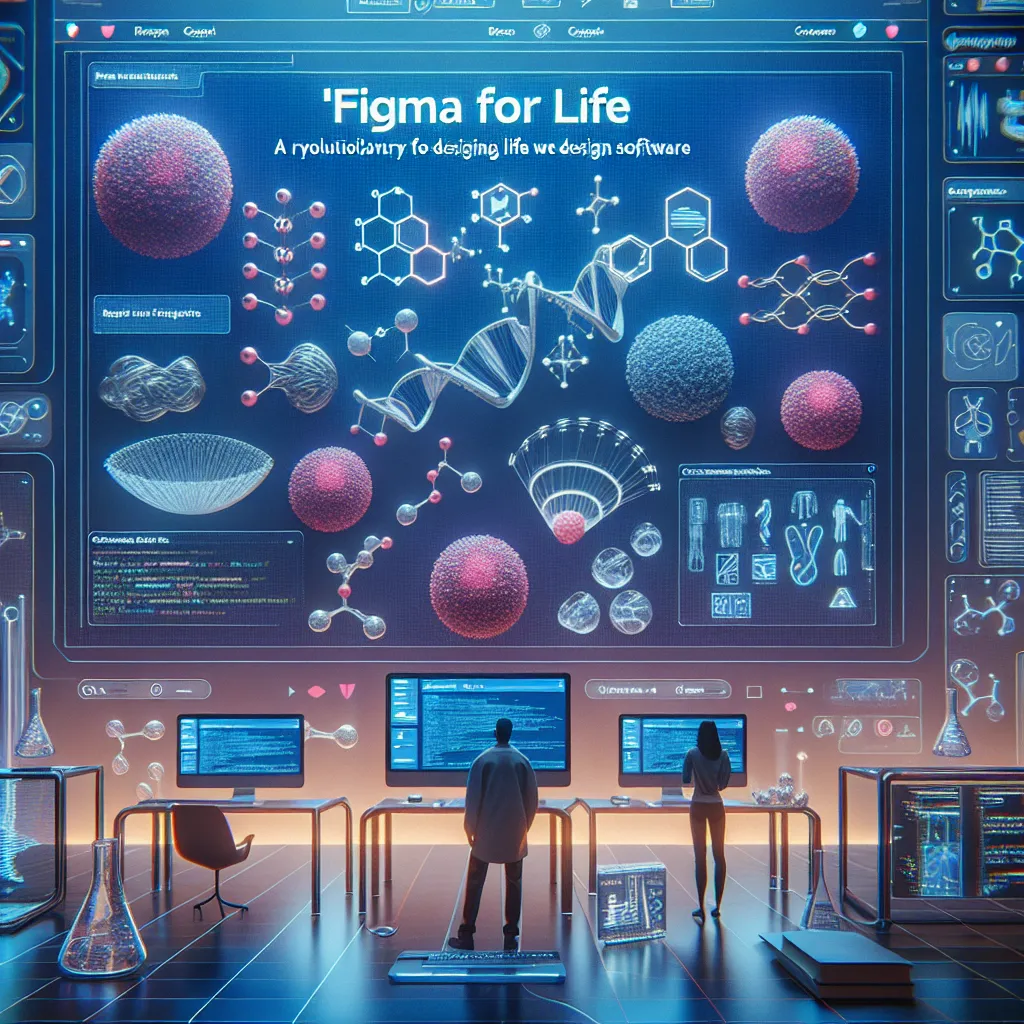
We’ve learned to read the code of life, but editing it still feels like coding on a green terminal from the 1970s. Only a handful of experts know how to design living systems, and every new experiment requires starting from scratch. What if designing biology felt more like designing software? The Figma for Life would let anyone visually “drag and drop” genes, circuits, and cell behaviors, run AI simulations, and send the blueprint straight to a synthesis lab. Just as no-code tools unlocked the internet for builders, no-bio tools could unlock biology for creators. The timing is perfect — DNA synthesis is cheaper than cloud computing was in 2005, and AI can now predict protein folding, metabolic reactions, and gene interactions in real time. The next generation of founders won’t code in JavaScript; they’ll code in DNA.
Description
No additional description provided.
The Pitch
In an era where the digital and biological worlds increasingly collide, a revolutionary concept emerges—a platform that makes designing biological systems as intuitive as designing digital ones. This solution seeks to democratize synthetic biology, transforming complex genetic engineering processes into a simple, visual workflow. The idea is akin to Figma for Life, a tool that empowers anyone, regardless of expertise, to design biological systems through a user-friendly interface.
**Backstory**
The field of synthetic biology has expanded rapidly, but remains largely inaccessible to those outside specialized fields. Traditionally, editing genetic material is complex, requiring sophisticated knowledge and resources. Despite its potential to address pressing global challenges, from healthcare to sustainability, the field remains dominated by experts. Current processes resemble coding on outdated systems, burdened by a steep learning curve and inefficiencies.
**Problem**
There's a significant barrier to entry for newcomers wishing to experiment within the field of synthetic biology. The need for expert knowledge and technical acumen prevents potential innovators and interdisciplinary collaboration. Current systems are cumbersome, with every new experiment necessitating a restart from zero. As a result, innovation is stifled and opportunities to solve real-world problems are missed.
**Solution**
Our vision is to create a no-code platform where users can design biological entities with ease. By translating the complexity of genetic engineering into an intuitive visual interface, we aim to open up synthetic biology to a broader audience. This platform will allow users to learn, experiment, and innovate without needing an advanced degree in genetics or molecular biology. Leveraging AI to simulate gene interactions and outcomes in real-time alongside an ever-expanding library of genetic components, the potential for innovation skyrockets.
**Product Details**
- **Visual Interface:** Users can easily drag and drop genes, circuits, and cellular behaviors onto a virtual canvas, constructing biological systems visually.
- **AI Simulations:** Real-time predictive modeling of protein folding, metabolic reactions, and gene interactions to foresee the outcomes of bio-designs before synthesis.
- **Integrative Library:** An expansive catalog of genetic components and templates that can be customized to facilitate quick innovation.
- **One-Click Synthesis:** Once designed, these blueprints can be directly sent to synthesis labs that are integrated into the system for rapid prototyping.
**Tools for Launching as an MVP**
- **Web Development Frameworks:** Utilize existing frameworks like React for front-end development to ensure a seamless user experience.
- **AI Integration:** Partner with AI tools specialized in predictive bioinformatics such as AlphaFold for embedding advanced simulation capabilities.
- **Cloud Services:** Deploy on platforms like AWS or Google Cloud for robust, scalable infrastructure.
- **Collaboration Platforms:** Incorporate tools like Slack or Discord for user support and community building.
**GTM Strategy**
- **Education Initiatives:** Partner with educational institutions for early adoption and integration into curricula, promoting awareness and usage.
- **Community Building:** Establish a vibrant community around the platform, facilitating workshops, webinars, and hackathons to stimulate collaborative learning and biotechnological innovation.
- **Partnerships:** Collaborate with leading synthesis labs and biotech firms for seamless integration and validation of the platform.
- **Content Marketing:** Develop case studies and success stories demonstrating the platform's capability and impact on real-world problems.
**Business Model**
- **Subscription-Based Model:** Offer tiered subscriptions ranging from a free basic version for education and light experimentation to premium tiers for professional and commercial use.
- **Partnership Licensing:** Licensing the platform to universities and research institutions for exclusive educational packages.
- **Transaction Fees:** Charge fees per synthesis request via the platform to ensure quality and precision in the output.
This proposed platform transforms the complex domain of synthetic biology into a playground of innovation, aligning with the latest technological advances and setting the stage for a new era of biological design accessible to all.