Domain-Specific AI Models for Industry Breakthroughs
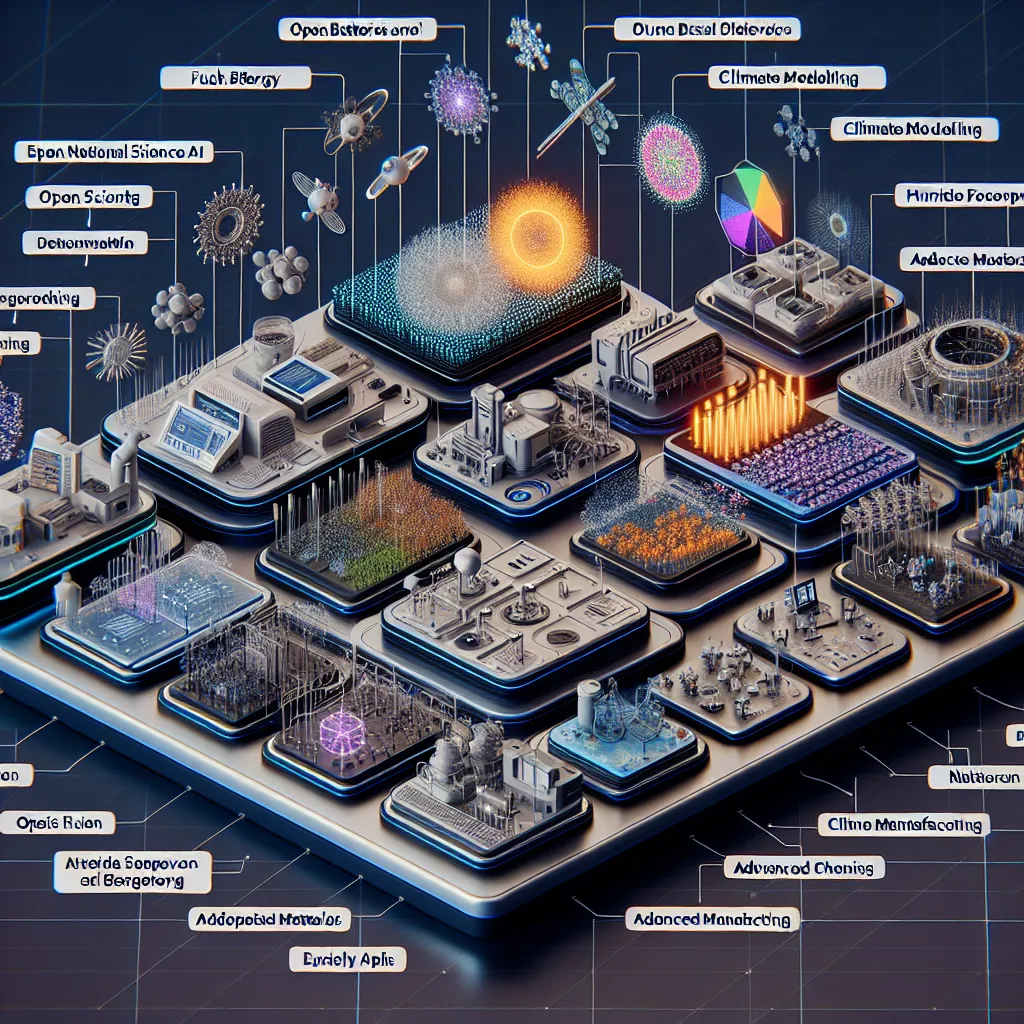
Each industry will need its own deep, specialized AI model tuned to domain-specific data: energy, genetics, fusion, climate modeling, advanced manufacturing. The solution is narrow foundation models built on open national science datasets emerging from Genesis—sold via API to startups and labs that can’t train their own. Why now: AI is hitting the stage where generalist models are not enough, and scientific compute is becoming available at the national level. Example: a battery startup uses a materials model to discover new chemistry candidates months faster.
Description
No additional description provided.
The Pitch
In the rapidly evolving landscape of artificial intelligence, there is a growing consensus that industry-specific AI solutions are essential for advancing specialized fields. Traditional generalist AI models often lack the precision and depth required for complex scientific applications. In industries such as energy, genetics, fusion, climate modeling, and advanced manufacturing, the demand for specialized AI is increasing. Each sector requires models finely tuned to its unique datasets and challenges. This document explores the concept of narrow foundation models, which are carefully crafted using open national science datasets. These models are designed to serve startups and research labs that do not have the resources to train their own custom AI solutions.
Backstory
The field of AI has progressed rapidly over the past decade. While generalist AI models have demonstrated versatility across various domains, they often fall short in niche scientific areas that demand a higher degree of specificity. At the same time, we are witnessing an unprecedented availability of scientific computing resources at the national level, which opens new opportunities for creating advanced AI models. Given these developments, there is an emerging need for AI solutions that are narrow in focus but expansive in their potential applications.
Problem Statement
Startups and research laboratories in high-tech sectors often face significant barriers in accessing quality AI models tailored to their specific needs. These barriers include high costs, lack of computational resources, and the expertise required to develop sophisticated AI systems. Additionally, conventional AI approaches can result in time-consuming and expensive R&D processes, hindering innovation and development in critical scientific fields.
Solution
Narrow foundation models offer a compelling solution by providing industry-specific AI tools that leverage the wealth of open national science datasets. These models can be accessed via API, offering a scalable and cost-effective alternative for entities that lack the resources to develop their own AI training frameworks. By focusing on particular domains, these models deliver enhanced accuracy and utility for scientific research and innovation.
Example Use Case: Battery Technology
Consider a startup in the battery manufacturing sector. With access to a specialized materials model, this startup could significantly accelerate the discovery of new chemical compounds for battery technology. Instead of spending months in experimental phases, the startup can utilize AI-driven insights to shorten the R&D timeline, resulting in faster market entry and reduced costs.
Product Details
The narrow foundation models will be developed by leveraging national scientific computing resources and open datasets. These models will encompass various scientific domains such as:
- Energy: AI models focused on renewable energy sources and optimized energy storage. - Genetics: Advanced models for gene sequencing and personalized medicine applications. - Fusion: Specialized algorithms to improve simulations and efficiency in fusion research. - Climate Modeling: Predictive models that improve climate forecasts and environmental impact analyses. - Advanced Manufacturing: AI tools that streamline design and production processes.
Tools for Launching an MVP
The following tools and platforms can facilitate the development and launch of a minimum viable product (MVP):
- Cloud-based AI platforms like AWS SageMaker or Google AI Platform for model development and deployment. - Open datasets from national research institutions available through platforms such as Data.gov. - APIs for easy integration and scalability in delivering AI solutions to end-users. - Collaborative development environments like GitHub for managing and iterating on projects.
Go-to-Market Strategy
A targeted go-to-market (GTM) strategy will focus on partnering with key industry players and research organizations. This involves:
- Engaging with industry-specific conferences and trade shows to showcase the models' capabilities. - Establishing collaborations with academic and research institutions to validate and improve models. - Offering free trials or pilot programs to demonstrate effectiveness and build credibility. - Leveraging industry networks and digital marketing to reach potential clients and partners.
Business Model
The business model will be structured around a subscription-based API access service. Clients can choose from tiered pricing plans based on the number of API calls, model complexity, and support levels required. Additional revenue streams could include consulting services and customized model development for specific client needs.
Conclusion
Narrow foundation models represent a transformative opportunity in applying AI to specialized scientific domains. By addressing the unique challenges of each industry with precision-focused AI solutions, these models promise to unlock new potentials for startups and research labs, fostering a new era of innovation and discovery.