Distributed Weather Stations Using Unused Smartphones
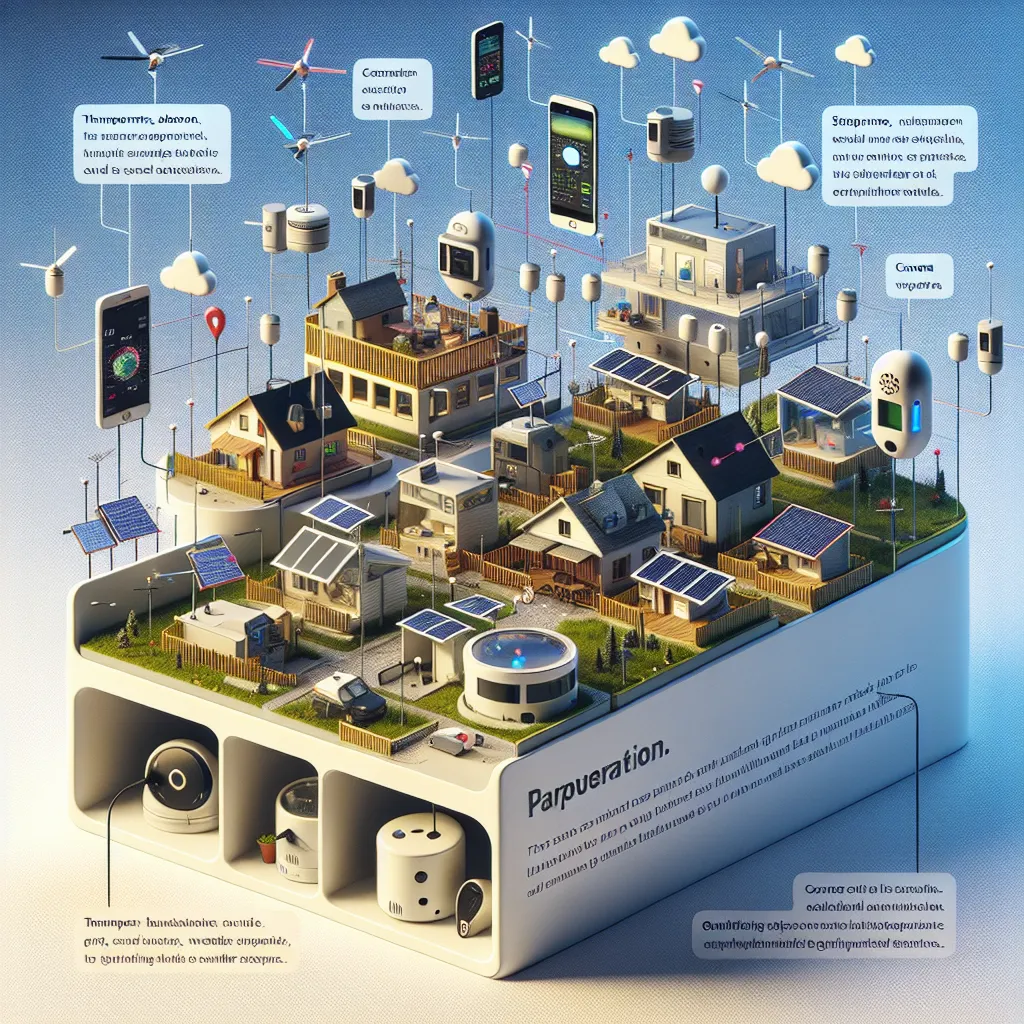
A network of micro-weather stations using old smartphones placed in backyards or balconies. An app uses the phone’s sensors (barometer, thermometer, camera for sky conditions) to collect hyper-local weather data, which is aggregated for real-time forecasting. Users get free weather insights; the startup sells detailed data to meteorologists or businesses. Weather data is valuable, and unused phones could democratize collection beyond pricey stations. It’s a plug-and-play way to turn a drawer item into a community tool.
Description
No additional description provided.
The Pitch
Precise, real-time weather information right at your fingertips is more crucial than ever, both for everyday convenience and for managing severe weather conditions effectively. Consider that in every neighborhood, there lies an untapped potential to harness accurate, hyper-local weather data through a resource that's already widespread but often overlooked: old smartphones.
The idea centers on developing a network of micro-weather stations by leveraging the existing technology in these devices. Through a simple setup, a user can transform their unused smartphone into a vital community tool. By utilizing built-in sensors, such as barometers, thermometers, and cameras, these smartphones can capture and transmit local weather data. When aggregated, this data can deliver an exceptionally precise forecast, tailored not just to a city or district, but to the exact street or house.
The user-friendly app serves as the hub for this data collection. It offers an interface where users can view both their personal weather station's data and the wider network’s aggregated insights. This provides value not only in terms of general weather updates but especially in scenarios where immediate, hyper-local weather information can impact decisions—be it for planning local events, managing agricultural activities, or ensuring safer commutes.
Monetization happens through partnerships and data sales. Specifically, the wealth of detailed, real-time weather data can be invaluable to meteorological services, research bodies, and businesses that rely heavily on weather conditions. This model not only keeps the app free for individual users, enhancing community engagement and network growth but it also opens up a steady revenue stream from purchasers of the data.
The go-to-market strategy involves a grassroots approach. Initially targeting weather enthusiasts and tech-savvy individuals through social media platforms and online forums, the project can quickly gain traction. Tech and environmental bloggers would be approached to promote the concept and demonstrate the setup process. Local communities and schools can be engaged for broader outreach, turning this into both an educational project and a practical solution to a shared problem.
Key product features include: - Real-time updates: Fast, accurate weather updates based on direct sensor input. - Community-based insights: Aggregated data from all network stations delivering a comprehensive view of localized weather patterns. - User-friendly interface: Easy setup and maintenance of personal weather stations. - Environmental impact: Promoting recycling of old technology, reducing electronic waste. - Advanced notifications: Custom alerts for weather changes, specific to exact locations.
In essence, this initiative not only transforms dormant technology into powerful community-serving tools but also democratizes weather forecasting, making it more accessible and accurate for everyone, and creating a sustainable business model in the process.