Discreet AI Wearable for Behavior Improvement
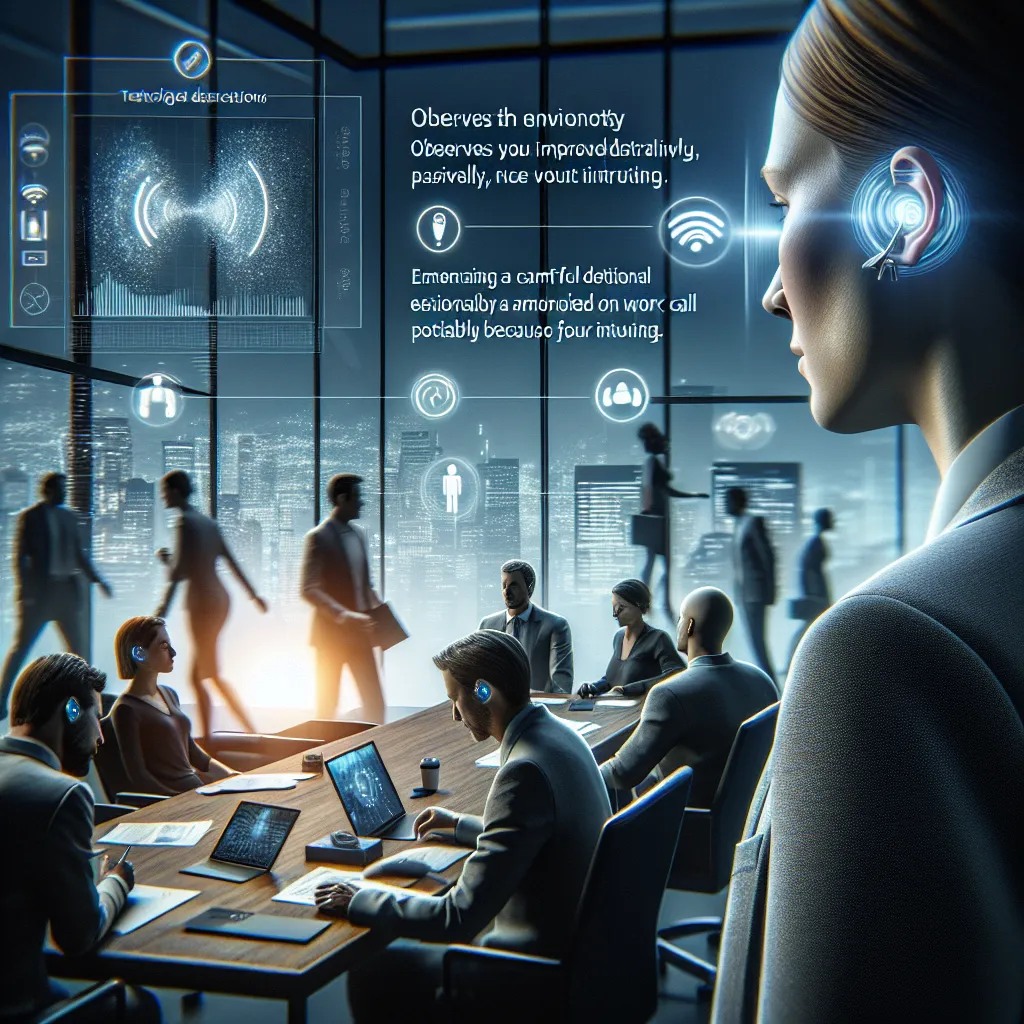
We live in constant digital overload, but no tool quietly improves our behavior without being intrusive. Solution: a lightweight AI wearable (a smart pin or earpiece) that listens and watches passively, offering nudges to improve meetings, posture, social interactions, and emotional tone — privately and respectfully. Why now: edge AI and privacy tech enable local analysis without cloud exposure. Early entrants (like Humane Pin) failed because they lacked actionable insight. Example: In a tense work call, the pin vibrates gently, signaling your tone is escalating — a silent nudge to adjust in real-time without public embarrassment.
Description
No additional description provided.
The Pitch
In our current era of relentless digital engagement, individuals are constantly bombarded with notifications and information, leading to stress and reduced productivity. Most tools designed to enhance our behavior tend to be intrusive, demanding constant attention or input, which often exacerbates the problem rather than alleviating it.
Recognizing this challenge, a new concept has emerged: a lightweight AI wearable that serves as a non-intrusive assistant, quietly improving the user's behavior through subtle cues. This device, envisioned as a smart pin or discreet earpiece, passively listens and observes, offering gentle nudges aimed at enhancing user engagement in meetings, improving posture, refining social interactions, and modulating emotional tone. Crucially, these interactions are managed privately and respectfully, ensuring user comfort and privacy.
The advancement of edge AI and privacy-centered technology now allows for local data analysis directly on the device. This innovation means user data does not need to be sent to the cloud, thereby minimizing privacy concerns. This is pivotal, as it addresses a major shortcoming of earlier models like the Humane Pin, which, despite their potential, faltered due to a lack of actionable and insightful feedback implementation.
Consider a scenario in a tense work call: as the conversation heats up, the wearable gently vibrates, signaling to the user that their tone is becoming aggressive. This subtle notification enables real-time adjustment without causing public embarrassment, making it an ideal tool for situations requiring discretion.
To bring this concept to life, the minimum viable product could utilize existing technologies such as compact microphones, accelerometers, and small-area processors compatible with edge AI algorithms. Frameworks like TensorFlow Lite can be leveraged to enable on-device machine learning, ensuring that necessary calculations and data processing occur locally. The inclusion of basic haptic feedback mechanisms will allow the device to communicate nudges effectively to the user.
For the go-to-market strategy, initial efforts should focus on early adopters who are tech enthusiasts and professionals seeking productivity enhancements. Building partnerships with corporate clients could facilitate wider adoption, presenting the device as a tool for improving workplace efficiency and interpersonal communication.
The business model can be structured around a direct-to-consumer approach with strategic partnerships for enterprise sales. Revenue streams could include the sale of the device, subscription-based access to advanced features or analytics, and enterprise solutions tailored to corporate needs.
Ultimately, this wearable aims to redefine how individuals interact with technology in enhancing personal and professional behaviors, achieving this thoughtfully and with respect for user privacy.