Discover Hidden Local Gems with Personalized Recommendations
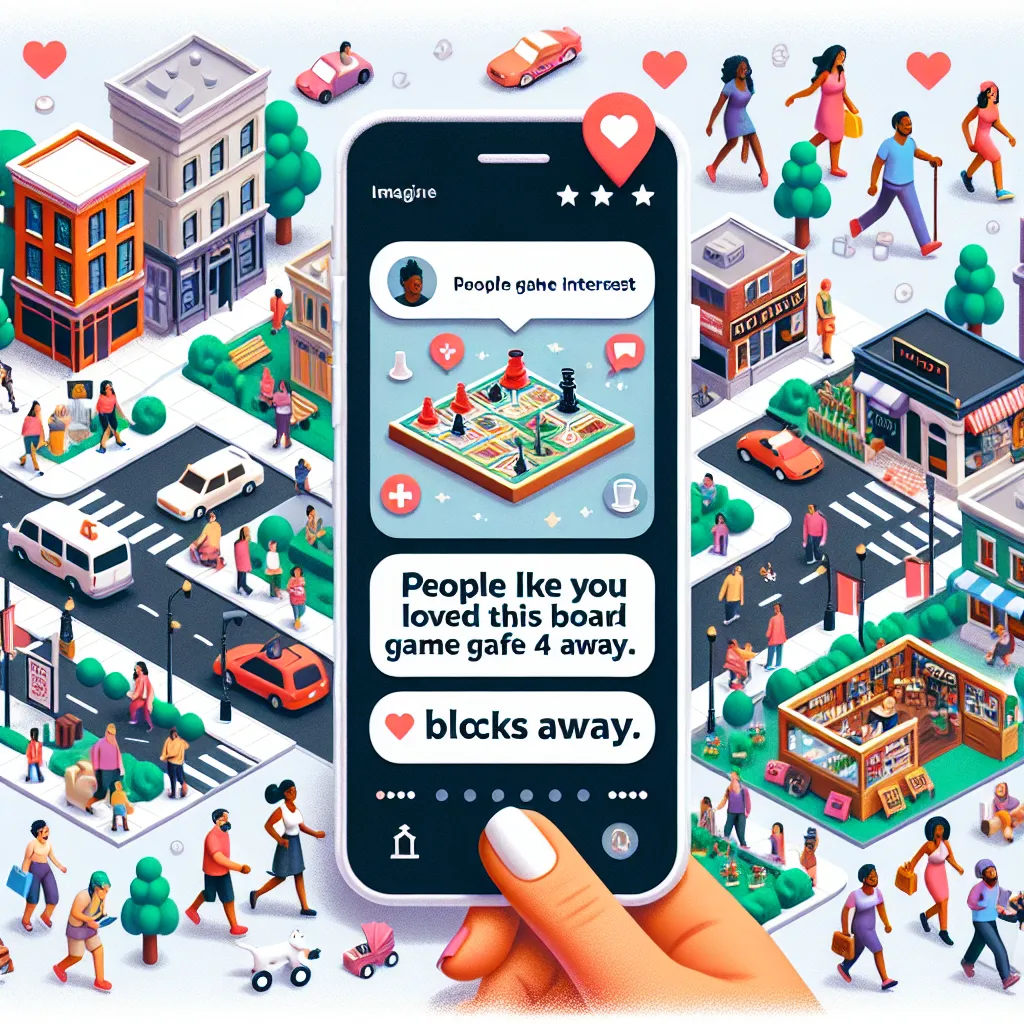
Local businesses depend on foot traffic and word-of-mouth — but discovery is broken. This app uses spending and interest data (opt-in) to recommend nearby spots you’ll love, based on where similar people go. Think Spotify Discover but for restaurants, gyms, bookstores. The trend: local commerce is booming, but digital discovery is decades behind. For example, a user checks the app and sees: “People like you loved this board game café 4 blocks away.” They go that weekend — and become regulars.
Description
No additional description provided.
The Pitch
Local businesses have long relied on traditional methods like foot traffic and word-of-mouth to attract customers. However, in today's digital age, these methods are increasingly inadequate. While local commerce is seeing a resurgence, the digital tools available for discovery haven't kept pace, leaving a gap between local businesses and potential customers who would love to discover them.
Problem Statement:
The central issue lies in the outdated digital discovery processes for local businesses. Consumers have limited digital options to discover new spots tailored to their tastes and preferences. Meanwhile, businesses struggle to reach a wider audience beyond their immediate neighborhood. Existing solutions often lack personalization and fail to leverage the rich data available on user spending habits and interests.
Solution:
A mobile application is proposed that utilizes an opt-in model for collecting spending and interest data from users. By analyzing this data, the app recommends nearby businesses that individuals with similar tastes have enjoyed. The app effectively functions as the Spotify Discover of local commerce, offering personalized recommendations for restaurants, gyms, bookstores, and more.
Product Details:
- Personalization Algorithm: The core component is a sophisticated algorithm that analyzes users' spending and interest data to suggest local businesses. This algorithm uses machine learning techniques to continuously improve its recommendations based on user feedback and behavior.
- User Interface: A user-friendly design that allows users to easily view recommended places, see reviews and ratings, and save favorites. The interface emphasizes simplicity and usability to encourage frequent engagement.
- Business Integration: Local businesses can create profiles, manage listings, and view analytics on customer interactions and trends. This helps businesses tailor their offerings and marketing strategies more effectively.
- Privacy Features: Emphasizing user privacy, the app includes robust data protection measures and clear opt-in/out options.
Tools for MVP Launch:
- Frameworks like React Native for cross-platform app development. - Cloud services such as Firebase or AWS for backend and data storage. - Machine learning libraries like TensorFlow or PyTorch for building the recommendation engine. - APIs for user authentication and payment processing.
Go-to-Market Strategy:
- Target early adopters by partnering with a select group of local businesses for initial trials and feedback. - Utilize digital marketing, focusing on social media platforms and local influencers, to build awareness. - Host community events and workshops to demonstrate the app’s features and benefits to both consumers and businesses. - Leverage partnerships with local business associations to gain credibility and access to a broader business network.
Business Model:
- Freemium Model: Basic app usage is free for consumers, while a premium subscription offers advanced features like enhanced personalization and exclusive deals. - Commission: Charge businesses a small commission on sales generated through the app. - Advertising: Provide advertising opportunities within the app for businesses seeking to highlight special offers and events.
By addressing the lack of personalization in local business discovery, this app not only enhances the consumer experience but also provides a valuable tool for businesses to connect with the right customers. With a strategic approach to development and marketing, it can become an essential part of the local commerce ecosystem.