Discover and Join Hyperlocal Hobby Clubs Easily
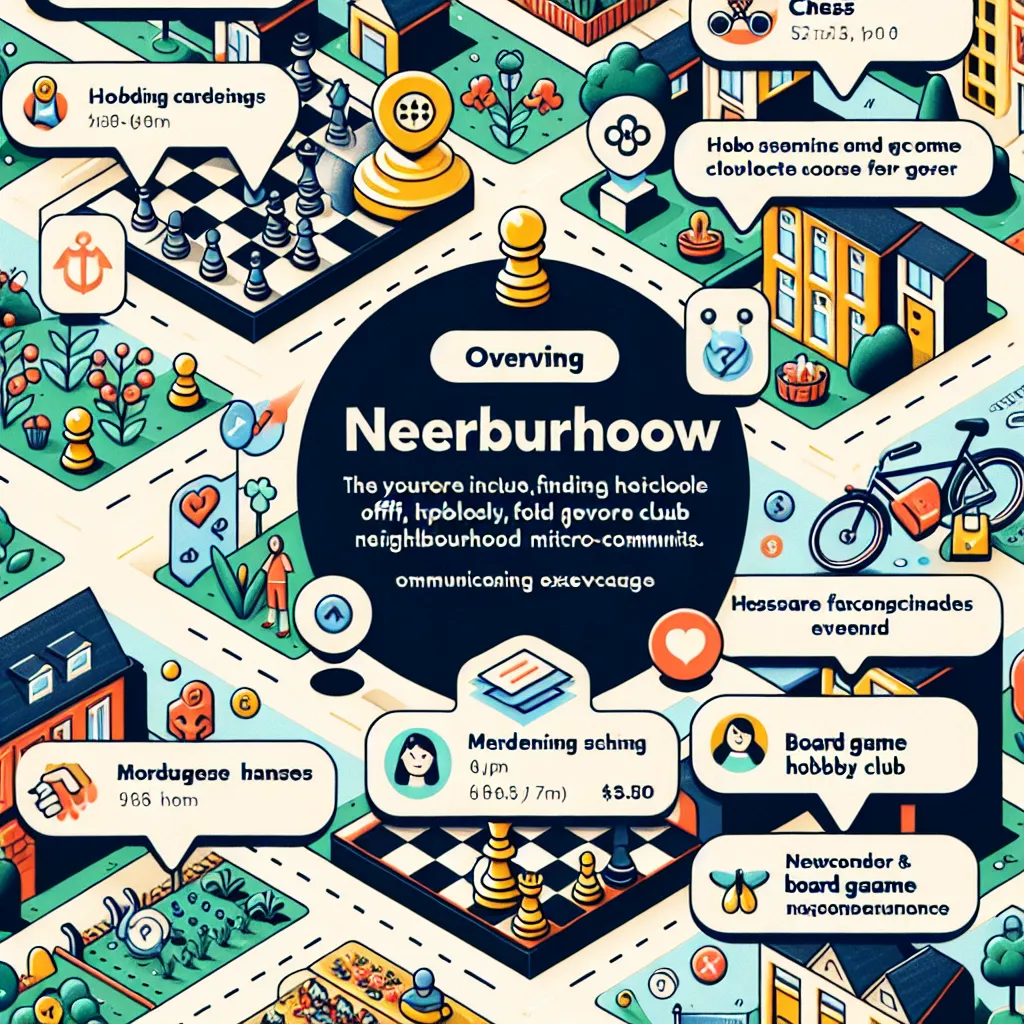
People want hyperlocal hobbies — chess, gardening, cycling — but discovery is bad. This platform maps and manages neighborhood-level hobby clubs with built-in messaging and event planning. The trend: offline micro-communities are trending upward. For example, a new resident finds a weekly Thursday night board game club three blocks away and becomes a regular in a week.
Description
No additional description provided.
The Pitch
The desire for meaningful offline interactions within local communities is on the rise. Although digital platforms have globalized communication and connected people across distances, there is a growing trend toward hyperlocal connections. Individuals are increasingly looking to explore and participate in hobbies and activities within their own neighborhoods. However, many people face challenges in discovering these opportunities due to fragmented information and limited platforms that cater specifically to local hobbyists.
Problem Identification: The current landscape for discovering local hobby clubs is inadequate. Enthusiasts, whether they are interested in chess, gardening, cycling, or any other hobby, often struggle to find nearby groups and events. Information is scattered across various social media platforms and notice boards, making it difficult for both newcomers and longtime residents to engage with hobby communities in their areas. This limitation not only prevents individuals from finding groups that match their interests but also inhibits the potential growth and evolution of these community-based hobby clubs.
Proposed Solution: To address this gap, we propose a platform dedicated to mapping and managing neighborhood-level hobby clubs. This platform will offer a centralized space where residents can discover and join local hobby groups with ease. Integrated features will include built-in messaging, event planning, and a robust directory of clubs based on location and interest. By leveraging the power of facilitating offline micro-communities, the platform aims to foster stronger neighborhood connections and enrich the lives of its users.
Product Details: 1. **User-Friendly Interface**: A simple, intuitive design to help users quickly find hobby clubs in their vicinity. 2. **Interactive Map Feature**: Users can visualize and filter hobby clubs through a map that highlights local opportunities based on location and activity. 3. **Community Profiles**: Each club will have a dedicated profile detailing meeting times, member count, activities, and newcomer guidelines. 4. **Built-in Messaging System**: Enables seamless communication between club members and organizers for discussions, updates, and networking. 5. **Event Planning Tools**: Organizers can schedule events, send invites, and manage RSVPs within the platform. 6. **Recommendation Engine**: Personalized suggestions for users based on their interests and engagement history.
Tools for MVP Development: 1. **No-Code/Low-Code Platforms**: Utilize platforms like Bubble or Adalo for rapid prototyping. 2. **Mapping APIs**: Implement Google Maps API or Mapbox for geolocation features. 3. **Communication APIs**: Integrate Twilio or Pusher for robust messaging capabilities. 4. **Event Management Tools**: Consider using Eventbrite's API for event planning features. 5. **User Feedback Tools**: Employ tools like Typeform or SurveyMonkey to gather insights from initial users.
Go-To-Market Strategy: 1. **Community Partnerships**: Collaborate with local community centers, libraries, and hobby shops to promote the platform. 2. **Local Influencer Engagement**: Work with neighborhood influencers and bloggers to showcase the benefits and features of the platform. 3. **Targeted Social Media Campaigns**: Use hyperlocal targeting on platforms such as Facebook and Instagram to reach potential users in specific neighborhoods. 4. **Referral Program**: Implement a system where existing users can invite friends and earn rewards for building the community.
Business Model: 1. **Freemium Model**: Offer a free version with basic features, while providing premium options such as advanced analytics and customization tools for club organizers. 2. **Commission on Events**: Charge a small fee for ticketed events organized through the platform. 3. **Advertisements**: Provide local businesses an opportunity to advertise within the platform to target specific hobby groups. 4. **Membership Subscriptions**: Offer subscription plans for users interested in accessing exclusive content, workshops, or discounts on hobby-related products.
Through this initiative, the platform aims to revolutionize the way people connect around shared interests within their communities. By simplifying the discovery and management of local hobby clubs, individuals will find it easier to engage deeply and personally with the activities they love right where they live.