Direct Air Capture (DAC) Heat Recycling for Data Centers
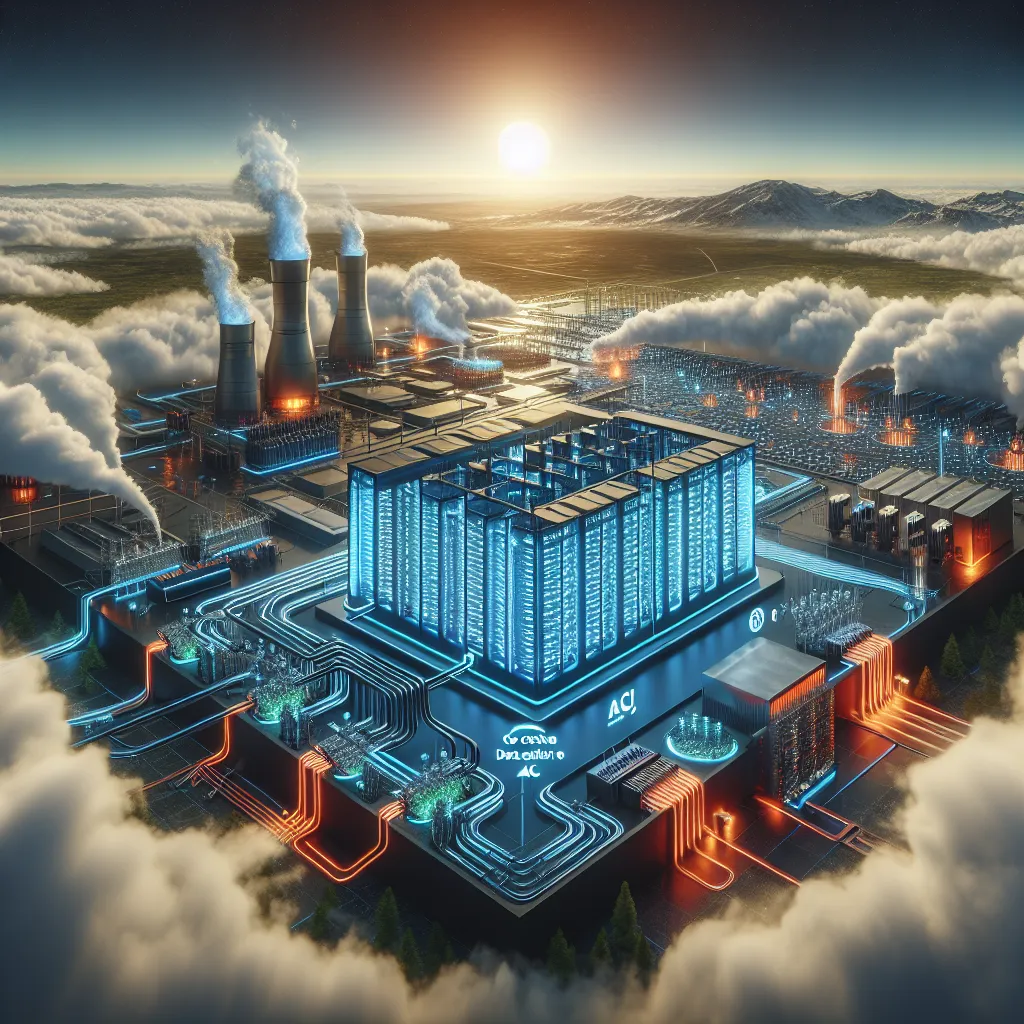
Both AI data centers and direct air capture (DAC) plants generate and waste massive amounts of heat, yet they’re rarely colocated. The solution is to co-build data centers and DAC plants on the same site, recycling the waste heat from servers to power CO2 capture operations — dramatically improving the efficiency and economics of both facilities. Why now? AI workloads and DAC projects are being deployed at scale simultaneously, and energy efficiency is paramount. Example: Microsoft partners with a DAC company to build a joint campus — data center heat runs DAC fans and reactors, cutting overall site energy use by 20% and lowering carbon footprints faster.
Description
No additional description provided.
The Pitch
The rise of AI and the urgent need to address climate change are two defining issues of our time. As AI data centers continue to expand to meet computational demands, they consume vast amounts of energy and generate significant waste heat. Concurrently, direct air capture (DAC) technology is emerging as a crucial tool for capturing atmospheric carbon dioxide. However, a common inefficiency persists: these two systems often operate independently, missing out on potential synergies. The opportunity lies in the strategic co-location of AI data centers and DAC plants, leveraging waste heat to enhance the efficiency of carbon capture processes. This integrated approach not only optimizes energy use but also accelerates the path toward sustainability.
Background
The exponential growth of AI has resulted in a proliferation of data centers, which are essential for processing complex algorithms and handling massive datasets. These centers are energy-intensive, often relying on power from non-renewable sources and necessitating substantial cooling systems to manage waste heat. On the other hand, DAC technology, which is crucial in reducing atmospheric CO2 concentrations, requires significant energy input to operate. Despite the evident connection, the physical and operational infrastructures of data centers and DAC plants remain largely segregated.
The Problem
The independent operation of AI data centers and DAC plants results in inefficiencies:
1. Waste Heat: Data centers generate large quantities of waste heat that typically go unused, representing wasted potential energy. 2. Energy Consumption: DAC requires significant energy, often drawing from the grid or other external sources, increasing operational costs and carbon footprints. 3. Environmental Impact: The separate functioning of these facilities contributes redundantly to energy demand and carbon emissions.
The Solution
The proposed solution is to physically and operationally integrate AI data centers with DAC plants. By colocating these facilities, waste heat from data centers can be repurposed to power DAC operations, enhancing overall energy efficiency. This synergy reduces energy consumption and accelerates carbon capture efforts, providing economic and environmental benefits.
Product Details
An integrated facility features:
1. Co-location Site Planning: Carefully selecting locations that accommodate both data centers and DAC plants, considering factors such as climate, energy resources, and logistics. 2. Heat Exchange Systems: Designing infrastructure to transfer and utilize waste heat from servers in AI data centers to power DAC operations effectively. 3. Modular Design: Implementing scalable modules for both data centers and DAC facilities to allow for gradual expansion and adaptation to technological advancements.
Tools for Easy MVP Launch
1. Cloud-based Prototyping: Utilize platforms like AWS or Azure to simulate integrated operations and test impacts without full-scale commitment. 2. Modular Construction Kits: Employ modular components that can be rapidly assembled and disassembled to validate concepts with minimized resource investment. 3. Data Analytics: Leverage AI and machine learning tools to monitor energy flow, optimize operations, and project long-term outcomes.
Go-to-Market Strategy
1. Strategic Partnerships: Collaborate with leading AI companies and DAC technology providers to co-develop and promote integrated facilities. 2. Pilot Projects: Develop pilot sites to demonstrate the viability and benefits of integrated operations, building trust and gaining stakeholder support. 3. Policy Advocacy: Work with regulatory bodies to promote policies that support sustainable infrastructure development and offer incentives for integrated solutions.
Business Model
1. Cost Sharing: Implement a shared savings model where both data centers and DAC plants share in the operational cost reductions achieved by integration. 2. Subscription Services: Offer an as-a-service model for entities looking to leverage co-located data processing and carbon capture capabilities without owning infrastructure. 3. Licensing Agreements: Develop licensing frameworks allowing other operators to replicate the integrated model, generating revenue through intellectual property rights.
This integrated approach represents a compelling convergence of technology and environmental stewardship, aligning economic and ecological objectives to forge a more sustainable future.