Digital Twin Solutions for Small Businesses
Digital twins—virtual replicas of real-world operations—are gaining traction in manufacturing and logistics, but inaccessible to smaller businesses. This startup builds ready-made digital twin templates for SMBs to simulate operations, test AI automations, or visualize workflows. It connects with CRMs, ERPs, and IoT devices to render real-time dashboards. With generative UI and off-the-shelf models, it lowers the barrier for simulation. A 50-person warehouse could simulate how AI-powered robotics would change inventory speed before committing to hardware investments.
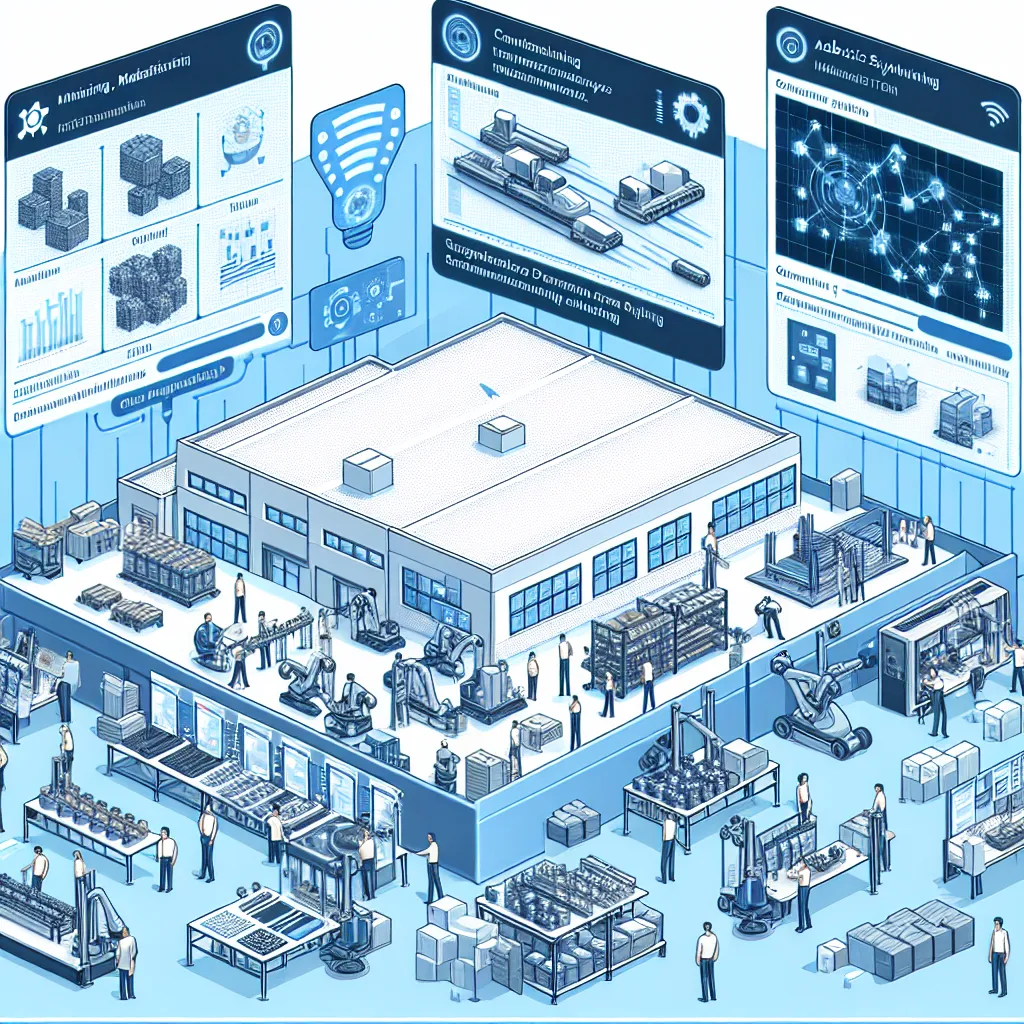
Description
No additional description provided.
The Pitch
Digital twins, virtual replicas of real-world operations, are revolutionizing manufacturing and logistics by offering unprecedented insights and efficiencies. However, the high cost and technical expertise required to implement these cutting-edge tools have made them largely inaccessible to smaller businesses. This entry presents a vision for a startup dedicated to democratizing this transformative technology, enabling small and medium businesses (SMBs) to harness the power of digital twins to optimize their operations, test innovations, and improve decision-making.
Backstory
In recent years, large enterprises have benefited significantly from digital twins, using them to optimize supply chains, enhance production efficiency, and improve equipment maintenance. Meanwhile, SMBs have struggled to keep up, limited by the financial and technical barriers inherent in custom digital twin solutions. By developing a suite of ready-made digital twin templates, this startup aims to break down these barriers and empower SMBs to compete on a level playing field.
Problem
Despite the proven advantages of digital twins, SMBs face several obstacles in adopting this technology:
1. Financial Constraints: Custom digital twin solutions are expensive and often out of reach for smaller businesses with limited budgets.
2. Technical Complexity: The development and deployment of digital twins require a high level of technical expertise, which many SMBs lack.
3. Integration Challenges: SMBs often use a patchwork of different software systems, making integration with existing tools and data streams difficult.
Solution
Our startup addresses these challenges by providing SMBs with an accessible and cost-effective digital twin solution. Our offering includes:
1. Pre-built Templates: A library of ready-made digital twin templates tailored to common SMB operations, such as warehouse management, retail store design, and supply chain logistics.
2. Easy Integration: Seamless connectivity with popular CRMs, ERPs, and IoT devices to ensure real-time data flow and accurate simulations.
3. User-friendly Interface: A generative UI that allows non-technical users to easily customize and deploy digital twins without coding expertise.
4. Scalable Models: Off-the-shelf models that can be scaled to fit the unique needs and complexity of each business.
Product Details
Our digital twin platform offers the following features:
- Template Library: A comprehensive collection of digital twin templates for various business operations, ready to be customized and deployed.
- Real-time Dashboards: Interactive, real-time dashboards that provide insights into business operations, enabling informed decision-making.
- Simulation Capabilities: The ability to simulate different scenarios, such as the integration of AI-powered robotics, to assess potential impacts before committing to changes.
- Cloud-based Platform: A cloud-hosted solution that ensures accessibility from anywhere, with minimal hardware requirements.
Tools for MVP Launch
To launch this digital twin platform as a Minimum Viable Product (MVP), consider leveraging the following tools:
1. Cloud Services: Use platforms like AWS or Microsoft Azure to host and scale the digital twin applications.
2. Visualization Tools: Integrate with visualization libraries such as D3.js or Three.js for rich, interactive dashboards.
3. API Integration: Utilize tools like Zapier or Integromat to facilitate seamless integration with existing business software systems.
4. Low-code/No-code Platforms: Employ tools like Bubble or OutSystems for rapid prototyping and ease of customization for non-technical users.
Go-to-Market Strategy (GTM)
To effectively bring this solution to market, consider the following GTM strategy:
1. Targeted Outreach: Focus on reaching SMBs in industries such as manufacturing, logistics, and retail, where digital twins can have the most impact.
2. Partnerships: Collaborate with CRM, ERP, and IoT providers to offer bundled solutions and expand the platform's reach.
3. Educational Campaigns: Conduct webinars, workshops, and produce content that educates SMBs on the benefits and applications of digital twins.
4. Pilot Programs: Offer pilot programs to select customers to demonstrate value and gather feedback for further refinement.
Business Model
Our business model will be subscription-based, with tiered pricing to accommodate businesses of different sizes and complexity. Additional revenue streams may include:
- Customization Services: Offer premium services for businesses requiring tailored digital twin solutions.
- Consulting and Training: Provide expert consultation and training sessions to help businesses maximize the value of their digital twins.
Conclusion
By providing affordable, accessible, and easy-to-use digital twin solutions, this startup has the potential to transform the way SMBs operate. Empowering these businesses with the tools to simulate, innovate, and optimize will unlock new growth opportunities and drive competitiveness across diverse industries.