Digital Reputation Wallet: Trust Across Platforms
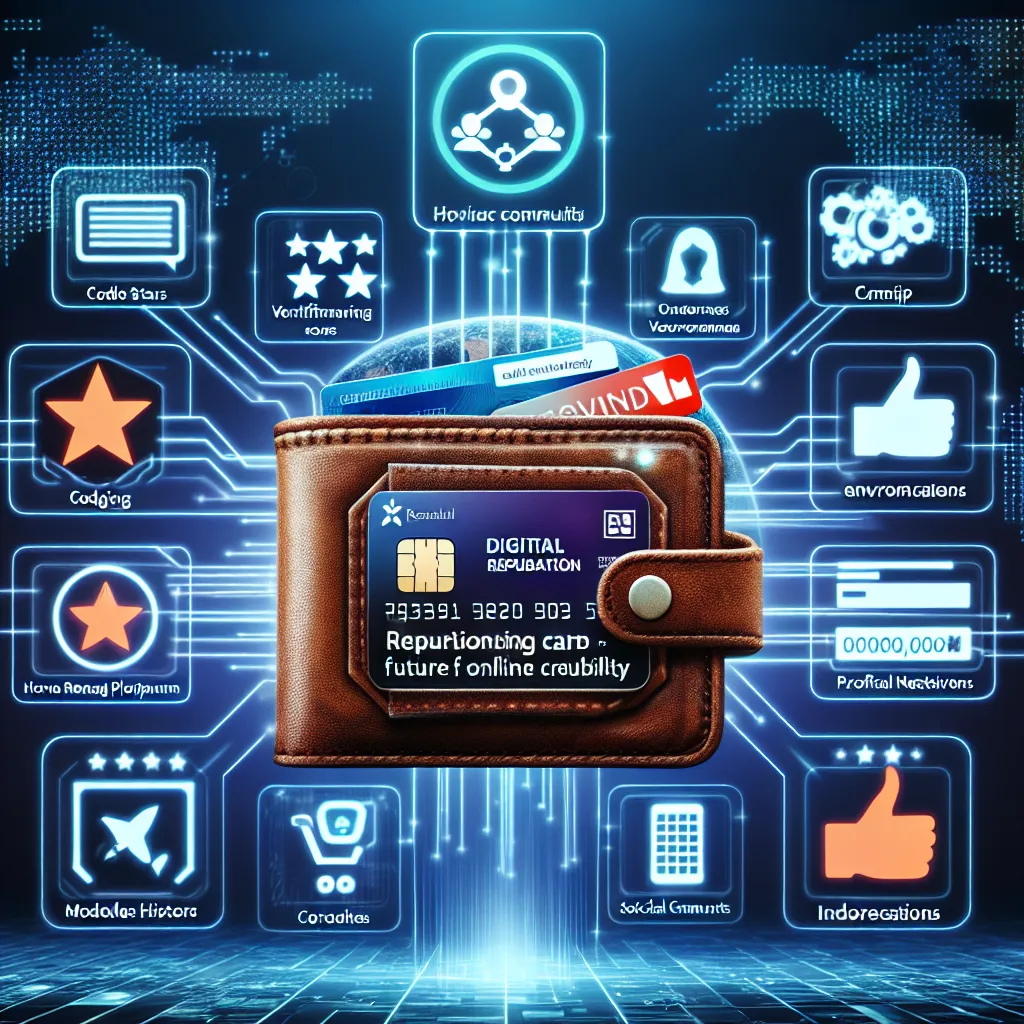
Every online platform resets your credibility to zero. A top StackOverflow user looks anonymous on Discord; a trusted Airbnb host has no signal on Slack. Abroad, blockchain experiments with “soulbound tokens” and identity standards (like in Singapore’s digital ID initiatives) point to the future, but nothing consumer-facing exists at scale. The solution is a digital reputation wallet that aggregates ratings, verifications, and achievements across platforms, portable to any new community you join. Your wallet could show: Airbnb reviews, GitHub commits, LinkedIn endorsements, Discord mod history — all in one verified layer. Abroad, reputation portability has been tested in niche crypto communities, but the U.S. hasn’t mainstreamed it. The example is obvious: just as credit scores travel between banks, a reputation wallet would travel between digital spaces — making trust borderless.
Description
No additional description provided.
The Pitch
In today's digital era, our lives are increasingly intertwined with numerous online platforms and communities, each demanding a unique representation of our identities and reputations. This condition has created a fragmentation of trust, where users must start from scratch to establish their credibility in each new digital space they enter. Imagine the frustration of a seasoned developer with a top ranking on StackOverflow who appears as a newcomer with no credibility in a new Discord group, or a highly rated Airbnb host who joins a new Slack workspace without any recognition of their trustworthy history.
This problem isn’t just inconvenient—it stifles collaboration and growth in digital ecosystems. On the other side of the globe, we see innovative efforts attempting to tackle this issue. Blockchain technology explores soulbound tokens for immutable identity proofs and countries like Singapore are already working with standardized digital identity initiatives. However, these solutions haven’t yet reached the consumer level at scale. The time is ripe for a comprehensive solution that mainstreams digital reputation portability.
**Problem Statement**
The primary issue is the fragmentation of digital identity and reputation. No matter how reputable an individual is in one platform, they become anonymous in another. This not only causes inconvenience but also decreases efficiency and prevents seamless interaction and trust-building across platforms. Furthermore, there lacks a standardized and consumer-friendly mechanism for reputation transferability across digital spaces.
**Solution Overview**
The proposed solution is the creation of a Digital Reputation Wallet. This wallet will serve as a comprehensive repository that aggregates, verifies, and displays an individual's ratings, verifications, and achievements collected across different online platforms. Essentially, it acts as a dynamic identity portfolio, showcasing a user’s digital credibility that is readily portable and recognized across communities.
**Product Details**
The Digital Reputation Wallet would feature:
- **Aggregation Mechanism**: Collect data from multiple platforms like Airbnb, GitHub, LinkedIn, Discord, etc., consolidating reviews, endorsements, commits, and participation history into one verifiable profile.
- **Verification Layer**: Ensure that the data aggregated into the wallet is authenticated and tamper-proof using secure encryption and possibly blockchain for immutable records.
- **User Interface**: Design an intuitive and user-friendly interface to allow individuals to manage and present their digital reputation easily.
- **Privacy Controls**: Let users control which parts of their reputation they wish to display and ensure all personal data complies with privacy regulations.
- **API Integration**: Develop APIs that allow easy integration with various platforms for seamless data exchange and verification.
**Tools for MVP Development**
To launch this as a Minimum Viable Product, the following tools and technologies can be used:
- **Backend Development**: Use Node.js or Django for scalable backend services. - **Blockchain Integration**: Leverage Ethereum or Polygon for creating verifiable and immutable records. - **Front-end Framework**: Use React or Angular to build an interactive interface. - **Data Aggregation**: Use web scraping and platform APIs for gathering initial reputation data. - **Authentication and Security**: Implement OAuth for secure authentication, with options for integrating multi-factor authentication.
**Go-to-Market Strategy**
1. **Early Adopters and Testing**: Target niche tech communities and professional groups that face clear reputation portability challenges. Use feedback to refine the product.
2. **Partnerships with Digital Platforms**: Establish partnerships for API integration, encouraging platforms to support reputation transfer.
3. **Community Building**: Foster a community of users sharing tips and success stories of streamlined reputation portability to drive organic growth.
4. **Educational Campaigns**: Run campaigns to educate users on the benefits of a unified digital reputation and how it can enhance their online interactions.
5. **Incentivized Onboarding**: Offer incentives for early adopters, such as premium features or badges for their pioneering support.
**Business Model**
The business can adopt a freemium model with additional capabilities unlocked through a subscription. Basic wallet functionalities are free, while premium features like detailed analytics, advanced verification services, and exclusive partnerships could be monetized. Additionally, collaboration with job platforms and professional networks could open a B2B revenue stream, charging companies for access to verified reputation data during hiring processes.
By bringing a Digital Reputation Wallet to life, we aim to eliminate the barriers of fragmented identities across digital platforms, creating a seamless experience where trust is as portable and robust as a credit score, revolutionizing how individuals interact and collaborate in the digital age.