Digital Memory Tracker for Your Mind
We track our steps, heart rate, and sleep — but not our thinking. RescueTime once told you where your time went online; now imagine a version that quietly logs everything you type, read, and watch, turning your digital life into a private, searchable journal. You could rewind how you built an idea, see focus patterns, or even train a personal AI model on your own data. Toby Lütke did this privately for 15 years; someone should turn it into a consumer-ready “black box for your brain.” As personal AI memory becomes the next platform, this is the missing data layer.
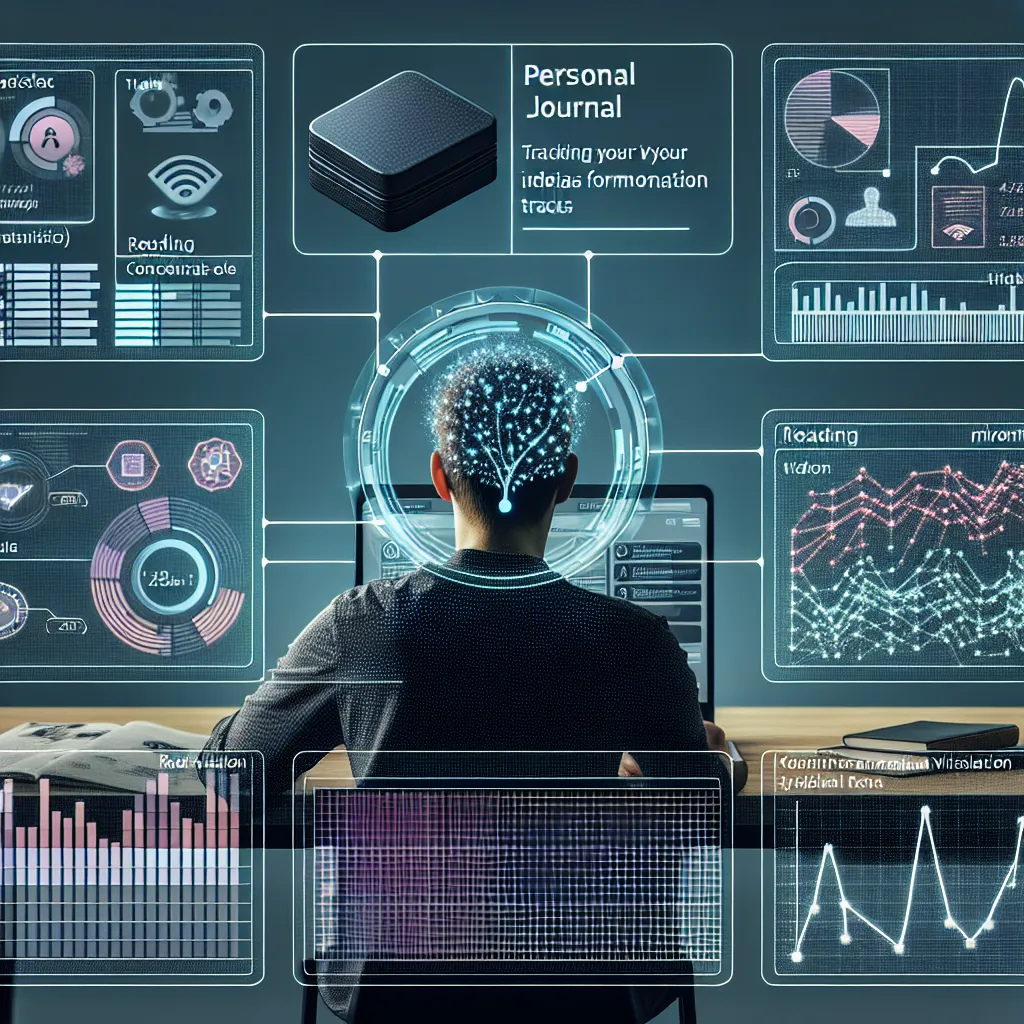
Description
No additional description provided.
The Pitch
In an increasingly connected world, the digital sphere is an extension of our consciousness. While we diligently track physical health metrics like steps, heart rate, and sleep, our cognitive activities often remain undocumented. The question arises: why not also track our digital interactions, which form a crucial part of our intellectual life? Imagine a tool that quietly captures your digital engagements, transforming them into a comprehensive, searchable journal. This idea aims to revolutionize how individuals interact with technology by creating a personal black box for the brain.
Backstory
RescueTime, an application that provided insights into how your time was spent online, pioneered the concept of digital time tracking. Although effective in quantifying digital activities, it lacked depth in understanding the qualitative aspects of one's digital life. Meanwhile, Toby Lütke, the CEO of Shopify, reportedly maintained a personal digital log for over 15 years, allowing him to reflect on his intellectual journey. This practice not only enabled deep self-understanding but also facilitated the refinement of ideas and creation of new concepts. However, such a personalized tool has yet to become accessible to the public, leaving a significant gap in the market for a consumer-oriented version that offers both privacy and depth of insight.
Identifying the Problem
In our digital age, we consume a vast amount of information across different mediums such as articles, videos, and online conversations. However, without effective methods to recall and organize this information, it is often lost or underutilized. The lack of a structured way to document digital interactions not only hinders personal growth but also limits our ability to develop insights from past experiences. Additionally, there is a growing concern over privacy and data security, which prevents many from adopting existing digital tracking solutions.
Proposed Solution
The solution lies in developing a seamless platform that logs everything you type, read, and watch online, subsequently transforming this data into a private, searchable journal. This digital tool acts as a repository of your intellectual journey, offering insights into focus patterns, work habits, and idea development. By harnessing the power of machine learning, users can train personal AI models on their own data to gain deeper insights and predictions tailored to their needs. Privacy remains a core tenet, ensuring that data remains securely stored and accessible only to the user.
Product Details
Features: 1. Comprehensive Tracking: Records keystrokes, web pages visited, and media consumed to create a detailed digital log. 2. Searchable Journal: Enables users to search past digital interactions, making information retrieval simple and effective. 3. Insightful Analytics: Offers visualizations to help users understand their focus patterns, time management, and consumption habits. 4. AI-Powered Insights: Provides personalized recommendations and predictions by training AI models on individual user data. 5. Privacy-Focused: Implements robust security measures to ensure complete data ownership and privacy.
Tools for MVP Launch
- Development Frameworks: Implement the application using technologies such as Electron for desktop applications and React Native for mobile compatibility.
- Data Processing: Use Python libraries like Pandas and Scikit-learn for initial data analysis, and TensorFlow or PyTorch for machine learning capabilities.
- Security Measures: Integrate encryption libraries such as OpenSSL to secure data at rest and in transit.
- User Interface: Utilize design tools like Figma to create intuitive UI/UX designs that prioritize user experience.
GTM Strategy
1. Target Audience: Focus on knowledge workers, students, and digital enthusiasts who seek to optimize their digital lives.
2. Marketing Channels: Leverage content marketing, webinars, and social media campaigns to educate potential users on the benefits of digital life logging.
3. Partnerships: Collaborate with educational institutions and professional organizations to integrate the tool into their workflows.
4. Feedback Loop: Implement a closed beta program to gather feedback from initial users, refining features and user experience based on early insights.
Business Model
1. Freemium Model: Offer basic features for free with the option to upgrade to a premium version for advanced analytics and AI-driven insights.
2. Subscription Plans: Provide monthly or annual subscription options for premium users, ensuring recurring revenue.
3. Enterprise Solutions: Develop tailored solutions for businesses seeking to enhance employee productivity through digital life logging.
Conclusion
By transforming how individuals interact with and recall their digital experiences, this innovative tool promises to unlock immense personal potential. As personal AI memory becomes an emerging platform, this data layer will play a crucial role in how we engage with technology and our own intellectual journeys. The development of a consumer-ready black box for the brain is not just a possibility—it is a necessity for the digital age.