Digital Detox Consultant for a Healthier Home
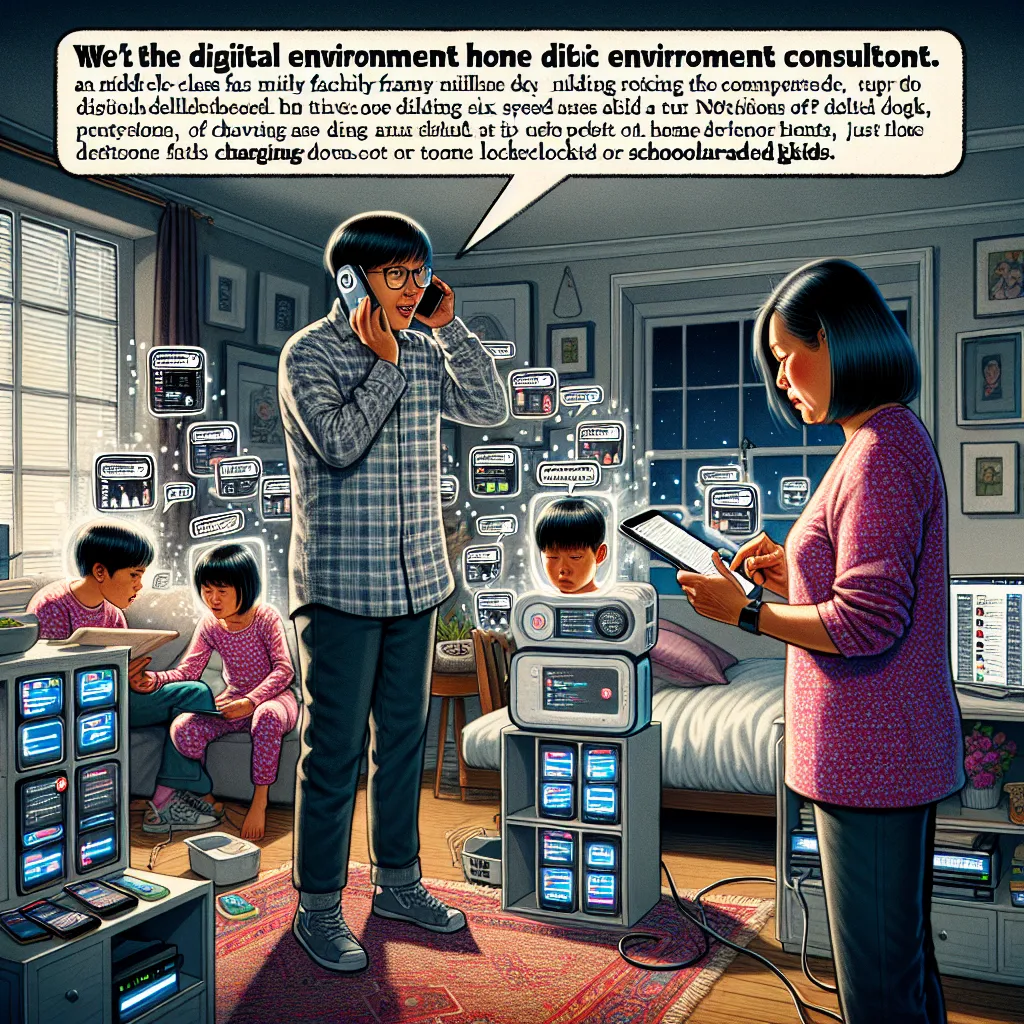
People are starting to clean up the chemicals in their air, the plastics in their pillows, and the seed oils in their pantry, but their digital environment is still a mess: notifications firing every ninety seconds, four screens within six feet of the bed, and a router parked next to the pillow. A consultant who comes to the house, audits every connected device, and rewires the household's digital setup (notification rules, dopamine-trap apps deleted, screens out of bedrooms, a charging station downstairs, kid devices on time-locked profiles) would feel as obvious in five years as an indoor air-quality test feels today. The 2025 cognitive decline data for school-age kids pushed digital wellbeing into the same conversation as diet for upper-middle-class parents. The first version could be a single consultant in a rich suburb charging eight hundred dollars for a four-hour visit and a thirty-day follow-up.
Description
No additional description provided.
The Pitch
As awareness of environmental health continues to grow, people are taking significant steps to cleanse their immediate surroundings from harmful elements like chemicals, plastic, and unhealthy food options. However, one critical area remains neglected—the digital environment. With the constant barrage of notifications, multiple screens in living spaces, and electronic devices intruding on personal time and space, it becomes imperative to address this digital clutter.
Background:
The modern household is often characterized by an array of connected devices relentlessly seeking attention. Notifications beep and vibrate incessantly every few minutes, while screens from televisions, computers, and mobile phones dominate the personal and family spaces. Digital distractions have quietly seeped into our lives, contributing to strained mental health, reduced productivity, and impaired cognitive development, especially in children. Recent studies from 2025 emphasize a surge in cognitive decline among school-age kids, attributing it in part to unmanaged digital exposure. This rising concern has propelled digital wellbeing into mainstream conversations, alongside health and nutrition, particularly among upper-middle-class parents.
Problem Statement:
Despite efforts to create healthier physical environments, the neglect of the digital environment poses significant risks to mental health and cognitive function. The digital distractions and mismanagement within households lead to increased stress, reduced family interaction, and the potential long-term impact on children's development. There is a clear need for professional assistance in detoxifying and restructuring the digital landscapes within homes.
Proposed Solution:
Introducing a Digital Wellbeing Consultancy Service aims to address the digital disarray prevalent in households by providing personalized consultations and actionable strategies. The service would conduct comprehensive audits of connected devices and digital habits, followed by implementing tailored solutions for a healthier digital lifestyle.
Product Details:
- **Initial Consultation**: A thorough assessment of the household's digital setup, including device usage patterns, notification management, and placement of electronics. - **Digital Detox Solutions**: Crafting personalized strategies to eliminate digital clutter, such as setting notification rules, removing high-distraction apps, and establishing screen-free zones. - **Parental Controls and Child Safety**: Implementing time-locked profiles for children to ensure balanced digital usage and safety. - **Rewiring Living Spaces**: Suggestions for optimal placement of devices, such as centralized charging stations outside bedrooms and repositioning routers for minimized exposure. - **Follow-up Support**: A 30-day follow-up service to track progress, address issues, and reinforce positive digital habits.
Tools and Resources:
- Existing software for monitoring and managing device usage. - Apps for parental control and screen time management. - Toolkit for household digital audits and checklist for follow-up guidance. - Access to a network of digital wellbeing specialists for collaboration and knowledge sharing.
Go-to-Market (GTM) Strategy:
1. **Target Market**: Concentrate on affluent suburban areas with tech-savvy, health-conscious families. 2. **Pilot Launch**: Begin with a single consultant offering personalized services in a manageable region to refine processes. 3. **Brand Partnerships**: Collaborate with health and technology brands for visibility and credibility. 4. **Workshops & Seminars**: Host educational events in communities to raise awareness and showcase the benefits of a digital detox. 5. **Social Media and Online Presence**: Utilize platforms like Instagram, LinkedIn, and Facebook to share tips, testimonials, and engage potential clients.
Business Model:
- Charge a premium fee for the consultancy service, starting at eight hundred dollars for an initial comprehensive four-hour visit with a subsequent 30-day follow-up. - Offer subscription-based packages for ongoing digital wellbeing support and updates. - Potential for corporate partnerships with schools, tech companies, and health organizations interested in promoting digital health.
In conclusion, as digital environments become increasingly integral to daily life, ensuring their management aligns with overall wellbeing is vital. The Digital Wellbeing Consultancy Service proposes a pioneering step toward creating balanced digital lifestyles, ultimately fostering healthier, happier, and more productive households.