Developer Wellness Platform for Sustainable Engineering
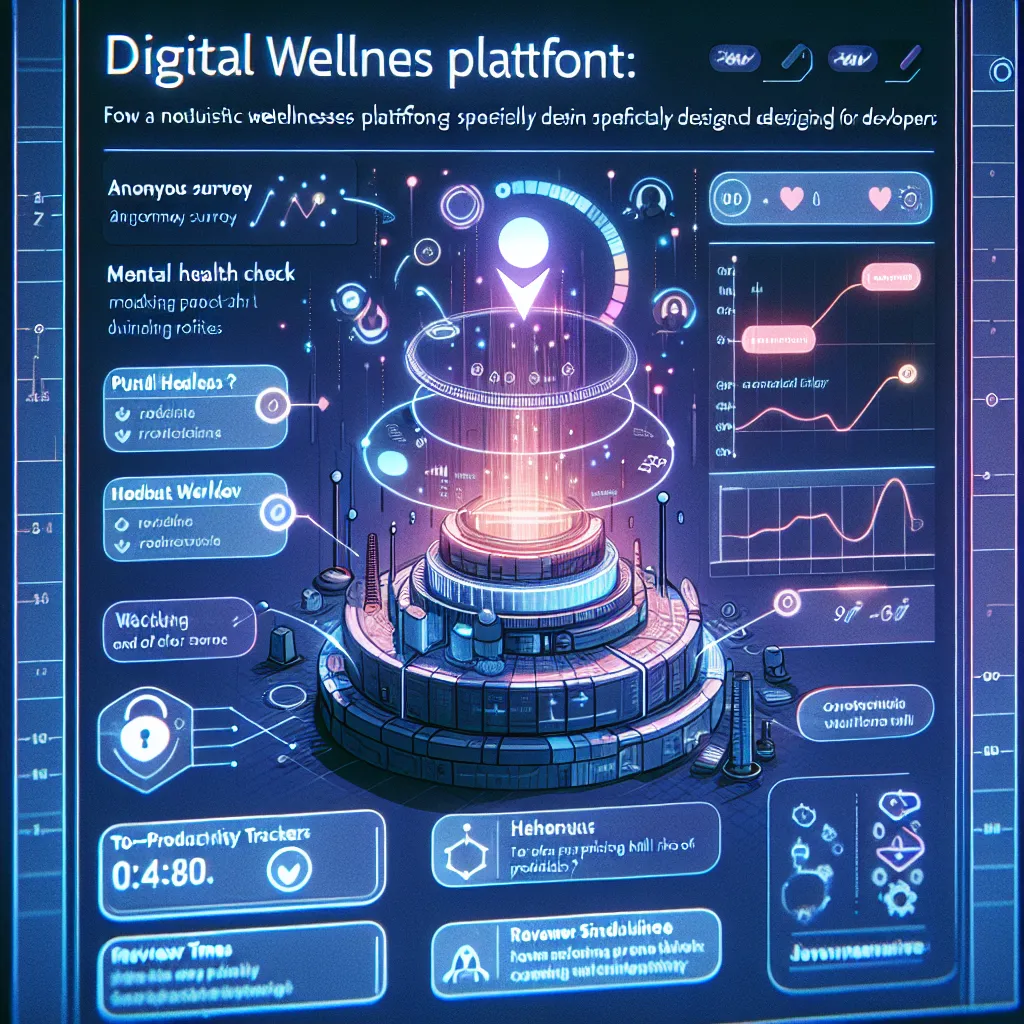
According to the 2025 Stack Overflow Survey, only 14% of developers say they are truly happy at work, while a staggering majority report feeling disengaged or unmotivated. This unhappiness impacts productivity, retention, and even code quality—but most dev teams don’t measure or act on it. The solution is a developer-specific wellness platform—part anonymous survey tool, part mental health check-in, part mood-to-productivity tracker. It integrates with GitHub or Jira to correlate metrics like pull request stress, weekend work, and comment tone with burnout signals. For example, if a team starts pushing hotfixes late on Fridays and review times spike, the platform flags a burnout risk and suggests a check-in. Unlike generic HR tools, this one speaks dev: emotional insights mapped directly to engineering metrics. It helps teams build not just faster—but more sustainably.
Description
No additional description provided.
The Pitch
In recent years, the growing dissatisfaction among software developers has become a major concern within the tech industry. According to the 2025 Stack Overflow Survey, only 14 percent of developers report being truly happy at work. The majority feel disengaged or unmotivated, which negatively impacts their productivity, retention rates, and even the quality of their code. Despite these concerns, most development teams neither measure nor take action to improve these conditions. This presents both a challenge and an opportunity.
Enter the concept of a developer-specific wellness platform. This platform would aim to address the gap by providing a set of tools uniquely crafted to cater to developers’ mental and emotional well-being. It combines elements of an anonymous survey tool, a mental health check-in, and a mood-to-productivity tracker. The key differentiator of this platform is its ability to integrate seamlessly with existing developer toolchains like GitHub or Jira. By doing so, it can correlate various metrics, such as the stress associated with pull requests, the frequency of weekend work, and the tone of comments, with signs of potential burnout.
For instance, should a team experience an increase in late Friday hotfixes alongside a spike in review times, the platform would flag a potential burnout risk. It would then prompt a voluntary check-in to help address and mitigate these issues. In contrast to generic HR tools, this platform uses a language and a set of metrics that resonate much more with developers. Emotional insights are directly mapped to engineering metrics, aiding teams in not just achieving faster results but doing so in a more sustainable manner.
To bring this vision to life as a Minimum Viable Product (MVP), several tools and strategies could be employed. For project management, Trello or Asana could be used to track progress and features. For front-end development, React could be chosen for its component-based architecture, while Node.js could serve the backend due to its scalability and efficiency. Integration with GitHub or Jira could be simplified using their respective APIs and webhooks.
The go-to-market (GTM) strategy would focus heavily on building awareness and generating interest within developer communities. Initial efforts could leverage developer forums, tech blogs, and social media platforms like Twitter and LinkedIn to create buzz. Partnering with influential tech evangelists or thought leaders to provide testimonials or reviews could also help establish credibility and trust.
As for the business model, offering a freemium version could attract early users, with premium tiers providing advanced features such as detailed analytics and integrations with additional tools. Subscription-based pricing could ensure a steady revenue stream, while enterprise licensing options might appeal to larger organizations looking for comprehensive solutions.
In conclusion, this developer-specific wellness platform has the potential to transform the workplace environment for software developers by addressing their unique challenges. By focusing on emotional well-being through data-driven insights, teams could work smarter, reduce burnout, and improve both their productivity and satisfaction at work.
---