Designing Events for Maximum Online Content Impact
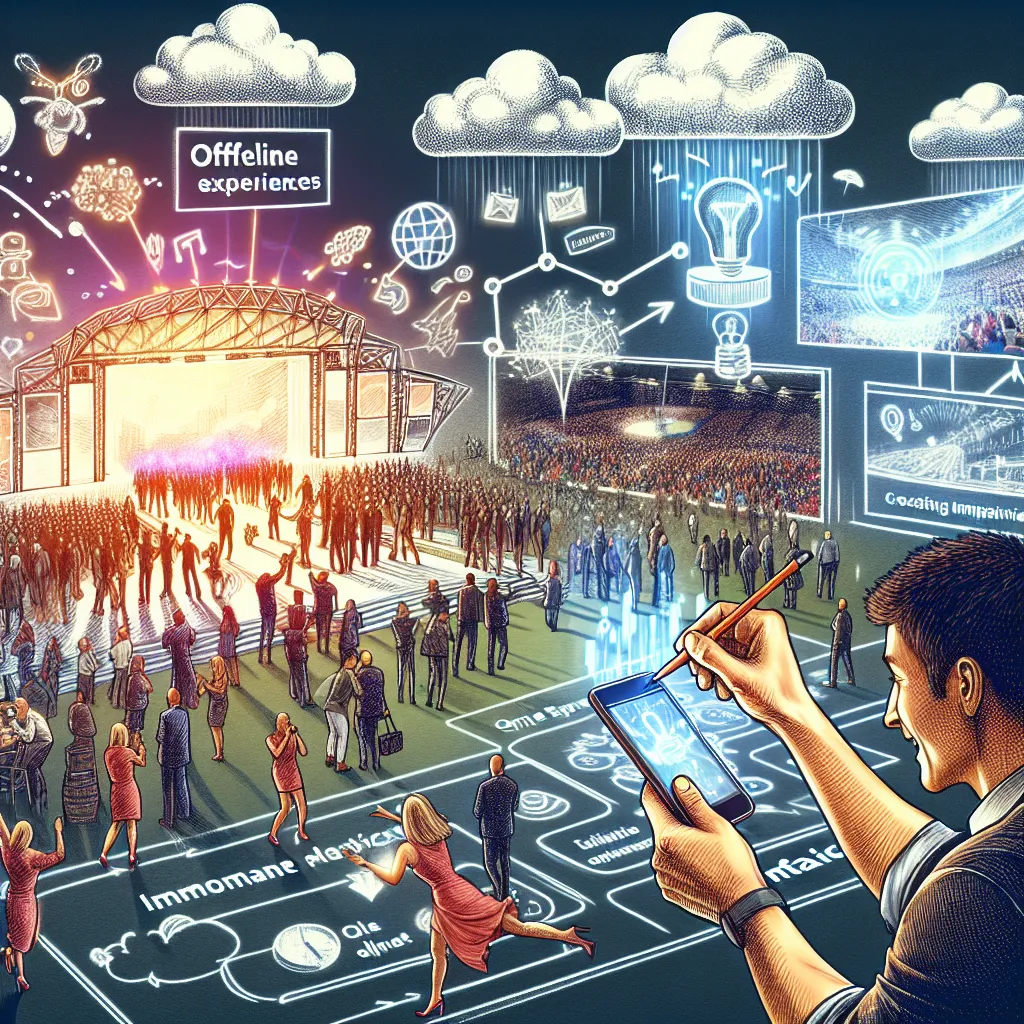
Brands invest heavily in events, pop-ups, and experiences — then treat the content as an afterthought. Footage gets dumped into folders, recaps get rushed, and the cultural value of the moment evaporates. This startup designs IRL experiences backward from content outcomes. Attendees opt into perspectives before the event, moments are tagged in real time, and post-event narratives are auto-assembled into platform-native arcs instead of generic highlight reels. The insight is that offline experiences now exist primarily to generate meaning online — but only if captured intentionally. This matters now because digital trust is low and physical presence cuts through noise. Example: a two-day event produces 30 days of high-performing social content without a single “here’s what happened” post.
Description
No additional description provided.
The Pitch
In today's fast-paced digital world, brands are continually investing in various forms of direct engagement with their audiences through events, pop-ups, and unique experiences. However, the true potential of these engagements often goes untapped when the content generated from such occasions is treated as an afterthought. Organizations spend substantial resources and energy in creating these vibrant experiences, but the cultural and digital impact of these engagements frequently dissipates soon after the event concludes. The problem lies in the disconnect between the offline experiences and their online representation, often leaving behind a scatter of unorganized and underutilized content.
The solution to this overlooked opportunity is to design real-life experiences with a clear focus on the content outcomes from the very beginning. This approach involves attendees opting into specific perspectives before the event, offering them a more personalized and engaging experience, and providing event organizers with invaluable insights into what content resonates most with their audience.
To capture the depth of any event effectively, moments are tagged in real time, enabling the seamless assembly of post-event narratives. This eliminates the need for the generic highlight reels and instead creates compelling, platform-native arcs that engage audiences in a more meaningful manner. In essence, this strategy acknowledges the vital shift in how offline experiences are primarily leveraged as content-generating opportunities for online spaces, provided the capture is intentional and strategic.
In an era where digital trust is at a low point, the authenticity and immediacy offered by physical presence allow brands to cut through the noise. For instance, imagine a two-day event that efficiently produces 30 days of engaging social media content without resorting to the typical here’s what happened post formula. By capturing the essence and excitement of the moment comprehensively and creatively, brands can extend the life and impact of their events significantly.
**Product Details and Tools for Creating an MVP**
At the core of this strategy is a platform designed primarily to facilitate this backward-designed content experience. This platform provides tools for event organizers to pre-select content outcomes, enabling real-time tagging and seamless assembly of post-event narratives. Key features include:
- **Pre-Event Engagement**: Tools that allow attendees to choose their event journey, aligning their interests and expectations with the content strategies.
- **Real-time Tagging System**: An intuitive interface for capturing content in real time, ensuring that every moment of significance is acknowledged and cataloged immediately.
- **Narrative Assembly Hub**: Advanced tools to auto-assemble narratives into platform-native formats, optimized for various digital channels without losing the emotional or cultural value of the original events.
To launch a Minimum Viable Product (MVP), leveraging tools like user feedback systems, agile development platforms, and robust content management systems can provide a solid foundation to build and refine the platform rapidly.
**Go-To-Market Strategy**
The GTM strategy entails several key phases:
1. **Targeted Outreach**: Identify and engage with brands and organizations that frequently host events, demonstrating the potential ROI through case studies and pilot programs.
2. **Partnerships and Collaborations**: Collaborate with event production companies and digital marketing agencies to expand reach and credibility.
3. **Pilot Programs**: Implement the system in a range of event types to gather data, demonstrate success, and refine the product based on real-world applications.
4. **Content Demonstrations**: Showcase successful narratives and content arcs through webinars and conferences, emphasizing the transformation achieved through this approach.
**Business Model**
Adopting a combination of subscription and usage-based models could prove effective. Subscription fees provide a steady revenue stream, while usage-based pricing for larger events offers scalability. Additionally, offering consultation services on optimizing events for content outcomes can serve as an added revenue stream and strengthen client relationships.
This strategy optimally uses the insights that offline experiences now serve a crucial role in content creation for online branding. Through purposeful capture and innovative narrative crafting, this solution ensures events lead not only to immediate engagement but also to prolonged digital storytelling and audience interaction.