Default Sandbox: Ensuring Safe AI Code Execution
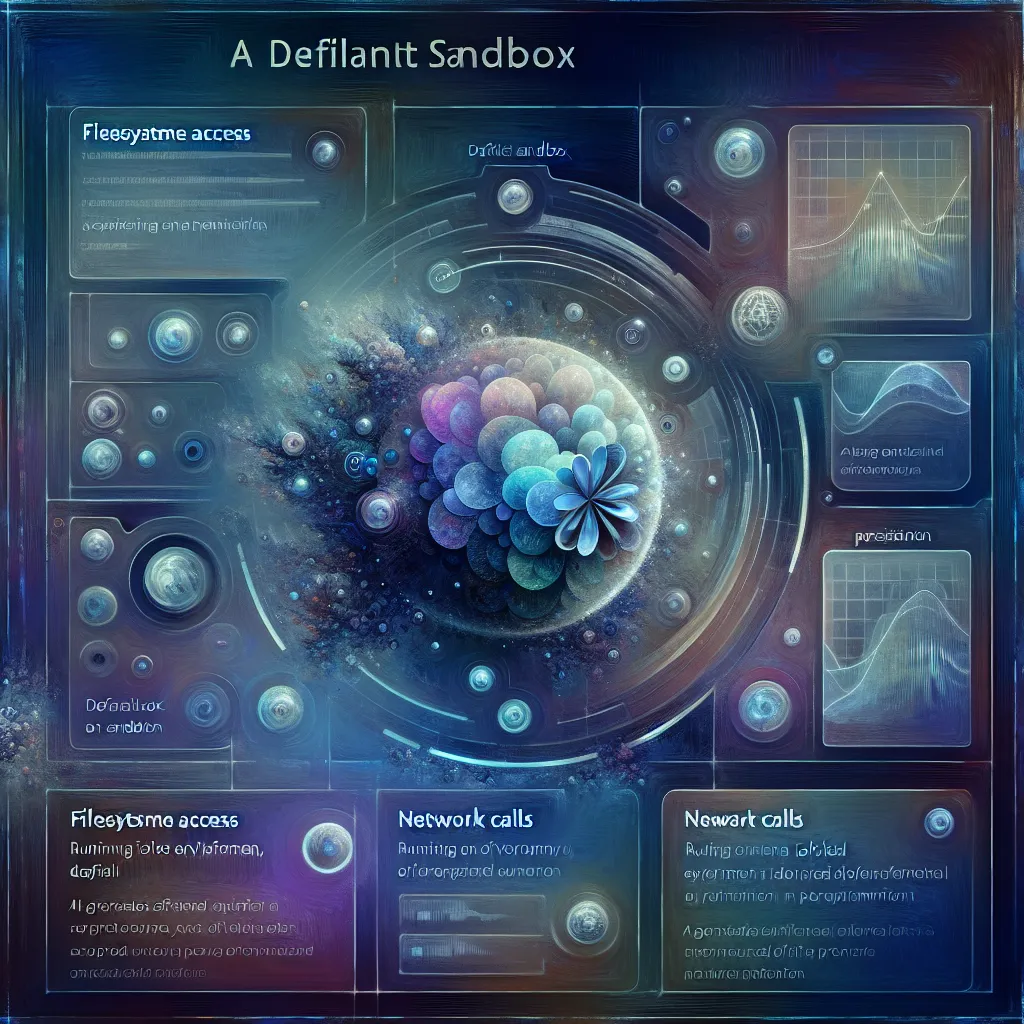
Every AI coding breakthrough quietly creates the same new risk: code no human actually reviewed is now running on real machines. Right now, sandboxing is treated like a DevOps afterthought—something experts configure manually after something breaks. But once LLMs are writing production code by default, sandboxing becomes the primary interface, not a security add-on. The Default Sandbox flips this: every AI-generated script, workflow, or agent runs in an isolated, permission-scored environment by default. Filesystem access, network calls, persistence, and side effects are visualized before execution, not after. You don’t “decide to sandbox” — you have to opt out. This doesn’t replace cloud infra; it replaces trust assumptions. The product wins not by being safer, but by making unsafe execution feel as obviously wrong as running an unsigned app. In an AI-written world, sandboxing isn’t security—it’s UX.
Description
No additional description provided.
The Pitch
In the fast-evolving world of artificial intelligence and software development, the creation and deployment of code are speeding up significantly. Large language models (LLMs) and other AI technologies are generating code that runs on machines with minimal human oversight. This advancement brings immense possibilities but also introduces new risks, particularly the execution of unreviewed code. Traditional methods of handling these risks, like sandboxing, are often manual and reactive, leaving room for potential vulnerabilities.
**The Problem**
As AI technology matures, it automatically generates scripts and workflows that enter production environments. The main issue is that these AI-generated codes sometimes lack adequate review and testing. Current sandboxing techniques are often applied as an afterthought, once security issues arise. This creates a fragile system reliant on human vigilance and expertise. As AI continues to integrate into mainstream operations, this reactive approach is unsustainable and risky.
**The Solution**
Introducing The Default Sandbox, a proactive platform that redefines how sandboxing fits into the development lifecycle. Here, sandboxing is not an optional security feature but the primary interface for interacting with AI-generated code. Every AI script or agent runs within an isolated environment by default. Permission scores are automatically assigned, and potential side effects like file system access or network calls are visualized pre-execution, creating a transparent and controllable environment.
**Product Details**
The Default Sandbox operates under a simple yet powerful principle: automatic isolation. Key features include:
- **Automatic Sandboxing:** By default, every piece of AI-generated code executes in a controlled, isolated environment. Users must opt-out if they choose to bypass, which in itself becomes an identified and logged action.
- **Pre-execution Visualization:** Before any code runs, all potential permissions and system interactions are presented to the user. This allows developers to understand and mitigate risks proactively.
- **Intuitive UX:** The sandboxing process is intuitive, making unsafe operations feel evidently dangerous, akin to warnings for running unsigned applications.
- **Seamless Integration:** Compatible with existing cloud infrastructures, ensuring no disruptions while enhancing security protocols.
**Tools for MVP Launch**
To develop and launch The Default Sandbox as a Minimum Viable Product (MVP), consider the following tools and technologies:
- **Containerization/Virtualization:** Utilize Docker or similar technologies for effective sandboxing environments. - **AI Analysis and ML Models:** Implement AI-driven analysis for permission scoring and risk assessment. - **Visualization Tools:** Use libraries like D3.js or Chart.js for clear representation of permissions and potential impacts. - **CI/CD Integration Tools:** Incorporate Jenkins or GitLab CI for seamless integration into existing DevOps pipelines.
**Go-To-Market Strategy**
1. **Target Audience Identification:** Initially target companies heavily relying on AI-generated code, such as tech startups, AI research firms, and large enterprises with advanced AI initiatives.
2. **Partnerships:** Collaborate with cloud service providers and DevOps platforms to integrate The Default Sandbox as a security standard.
3. **Education and Awareness:** Conduct webinars, workshops, and conferences to educate developers and security professionals on the importance of proactive sandboxing.
4. **Pilot Programs:** Initiate pilot programs with select companies to demonstrate effectiveness and gather feedback for improvements.
**Business Model**
Adopt a subscription-based model providing various tiers based on the level of features and size of the organization. Offer:
- **Freemium Tier:** Basic sandboxing functions for small teams or individual developers. - **Professional Tier:** Advanced features with larger sandbox capacity and integration options. - **Enterprise Tier:** Custom integrations, dedicated support, and enhanced security features tailored for large organizations.
**Conclusion**
The Default Sandbox shifts the paradigm of AI-driven code execution from reactive firefighting to proactive management, offering a robust framework that prioritizes safety and UX. By integrating sandboxing as a built-in feature rather than an afterthought, developers can embrace the full potential of AI without compromising security or reliability.