DeductIQ: Real-Time Tax Planning for SMBs
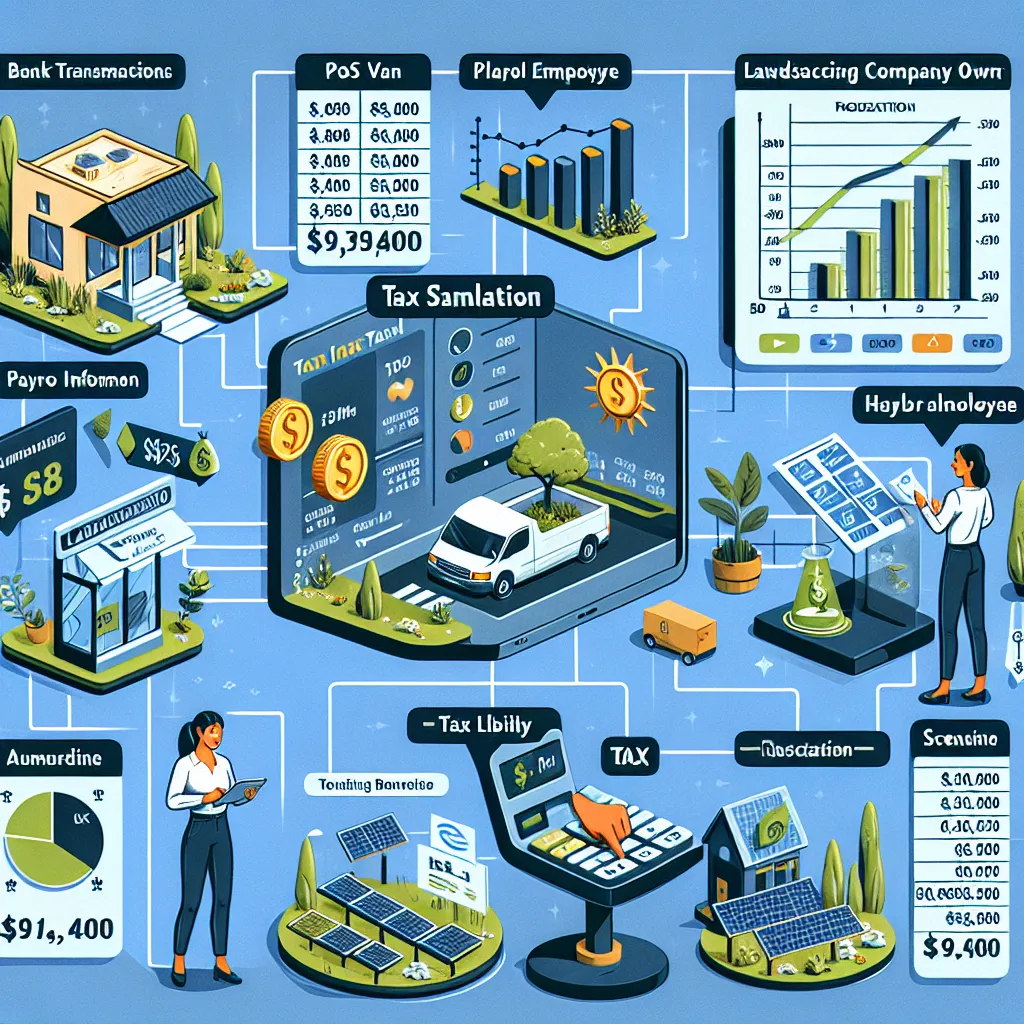
Small business owners often miss deductions or overspend on accountants because tax planning is disconnected from real operations. The One Big Beautiful Bill Act expands eligibility for auto loan interest deductions, energy equipment write-offs, and low-income wage tax credits, but many SMBs don’t know how to take advantage. DeductIQ is a real-time tax simulator that connects to bank accounts, POS systems, and payroll tools to model tax savings based on actual behavior. It shows what your tax liability will be if you buy that electric van, hire another employee, or upgrade to solar equipment. A landscaping company uses DeductIQ to realize a $9,400 projected tax reduction by shifting purchases and hours ahead of filing season. Unlike standard accounting tools that file after the fact, DeductIQ becomes the forward-looking “tax CFO” for America’s smallest employers. The bill’s complexity turns tax planning into a daily optimization challenge—DeductIQ is the engine.
Description
No additional description provided.
The Pitch
Many small business owners face the challenge of effectively managing their tax obligations, often missing out on deductions or incurring extra costs for accountant services. This issue is mainly due to the disconnect between everyday operations and tax planning activities. The recently enacted One Big Beautiful Bill Act, which broadens the scope for auto loan interest deductions, energy equipment write-offs, and low-income wage tax credits, offers significant opportunities for savings. However, the complexity of these provisions means that many small and medium-sized businesses (SMBs) struggle to access these benefits fully.
Challenge: The intricate nature of the One Big Beautiful Bill Act presents an ongoing challenge for SMBs who wish to maximize their tax savings. Business owners are frequently unaware of the potential benefits they can leverage within their everyday operations, leading to missed opportunities and increased financial pressure. The traditional model of tax planning, typically reactive and focused on end-of-year filing, does not align with the dynamic and continuous nature of business operations.
Solution: DeductIQ steps in as a forward-thinking solution designed to bridge the gap between daily business activities and tax optimization. By functioning in real time, DeductIQ allows businesses to simulate potential tax outcomes based on their actual financial behaviors. This system supports smarter decision-making by illustrating how specific actions, such as purchasing an electric van, hiring additional employees, or investing in solar equipment, can affect tax liabilities and savings.
Product Details: DeductIQ integrates seamlessly with a company’s existing infrastructure through connections with bank accounts, point-of-sale systems, and payroll tools. These integrations empower DeductIQ to provide accurate, real-time insights into tax obligations and opportunities. With a user-friendly interface, DeductIQ enables business owners to forecast their tax liabilities and explore scenarios that demonstrate potential savings before financial commitments are made.
Tools for MVP Launch: To efficiently launch DeductIQ as a Minimum Viable Product, the following tools and platforms are recommended: - Cloud-based financial services like Plaid or Yodlee for secure access to financial data. - Integration APIs to connect with popular POS systems and payroll services such as QuickBooks or Square. - Real-time analytics and dashboard tools such as Google Data Studio or Tableau for intuitive data presentation. - Cloud infrastructure like AWS or Google Cloud for scalable and reliable performance.
Go-To-Market Strategy: 1. Define Target Market: Focus on small businesses, particularly those in industries that would significantly benefit from tax savings such as landscaping, retail, and transportation. 2. Partnerships: Collaborate with accounting firms and financial advisors to endorse and integrate DeductIQ as part of their client services. 3. Digital Marketing: Leverage social media, content marketing, and webinars to educate potential users about the benefits of proactive tax planning with DeductIQ. 4. Trial Offers: Provide limited-time free trials to encourage businesses to experience DeductIQ’s benefits firsthand.
Business Model: DeductIQ will adopt a subscription-based model that offers tiered pricing plans tailored to different business sizes and needs. Additional premium features such as bespoke tax optimization reports and priority support can generate incremental revenue. This approach ensures a steady income stream while allowing flexibility for businesses to choose a plan that best fits their requirements.
Conclusion: DeductIQ has the potential to transform how small businesses approach tax planning, transforming a traditionally reactive process into a proactive, strategic activity. By leveraging technology and real-time data integration, DeductIQ empowers small businesses to optimize their tax positions effectively and confidently maneuver through the complexities of modern tax legislation.