Decentralized Work-Rewards: Global Commerce Inclusion
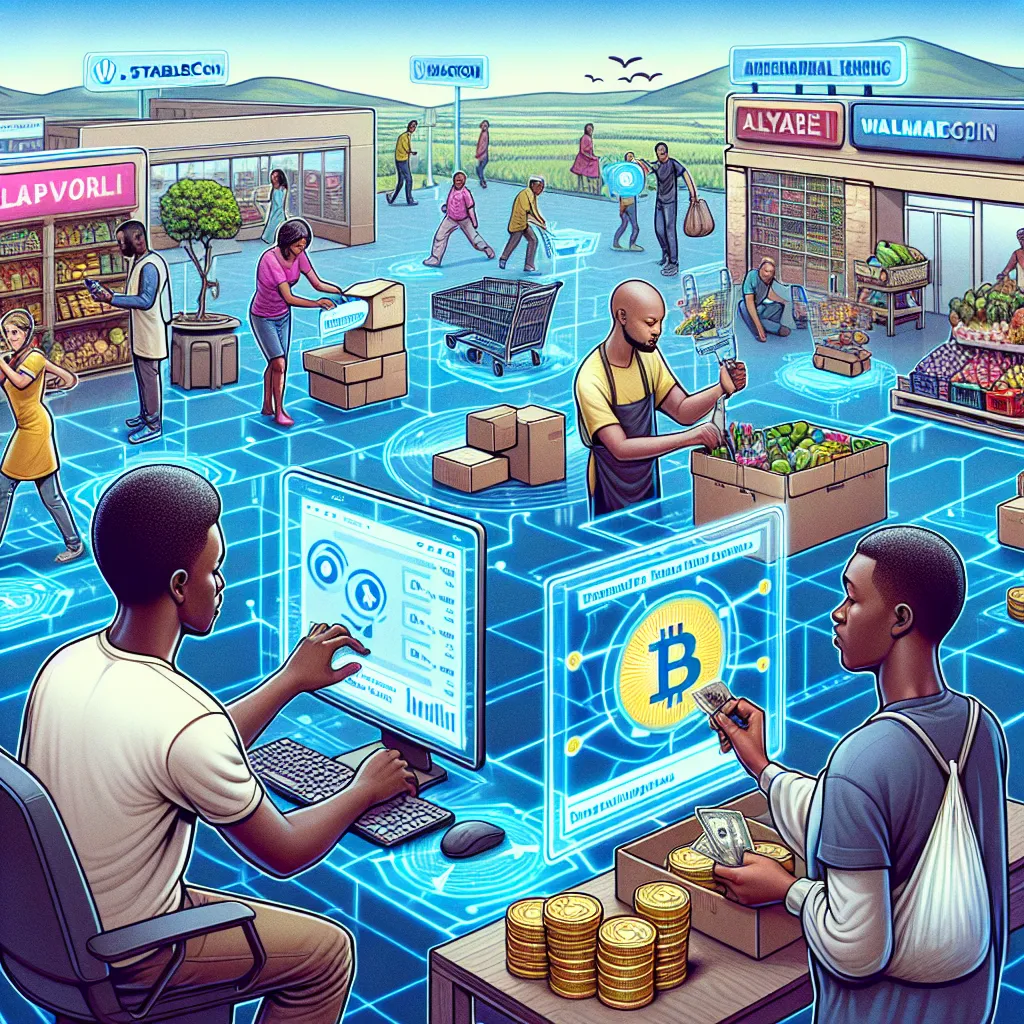
Billions remain excluded from global commerce due to lack of banking, geography, or access to formal labor markets. Meanwhile, retailers like Amazon and Walmart capture billions in value from attention and behavior. UBC proposes a decentralized protocol where anyone can earn branded stablecoins for micro-contributions like labeling AI data, completing surveys, or teaching skills — all verified and rewarded on-chain. These tokens are spendable at major retailers, closing the loop between labor and consumption. Stablecoins offer a direct way to distribute real value instantly, without traditional payroll or bank accounts. For example, a young person in Lagos helps clean AI training data, gets paid in WalmartCoin, and can immediately redeem groceries through a local distribution partner. It’s a humanitarian, decentralized work-reward engine built on top of branded commerce rails — and could reshape how billions participate in the global economy.
Description
No additional description provided.
The Pitch
In today's interconnected world, a significant portion of the global population remains on the periphery of the formal economy. Factors such as inadequate access to banking services, geographical constraints, and limited opportunities in formal labor markets curtail their ability to participate in global commerce. On the other hand, major retailers like Amazon and Walmart continue to derive tremendous value from consumer attention and behavior. Addressing these disparities requires innovative solutions that bridge the gap between labor and consumption.
Problem:
The primary challenges are twofold:
1. Billions of individuals remain excluded from formal economic activities due to barriers such as lack of access to banking, restrictive geographical locations, and insufficient infrastructure to engage in traditional labor markets.
2. Existing global commerce channels disproportionately benefit large corporations, capturing immense value from user engagement without necessarily providing equitable financial opportunities for the users themselves.
Solution:
Unified by a focus on equity and access, the proposal introduces a decentralized protocol known as UBC (Universal Branded Contribution) that provides a platform for micro-contributions. Individuals can earn branded stablecoins through tasks such as labeling AI data, conducting surveys, or teaching skills. These contributions are verified and rewarded on-chain, ensuring transparency and reliability. The resulting tokens can be redeemed at major retailers, effectively linking effort to consumption in a seamless cycle.
Product Details:
1. Decentralized Protocol: UBC offers a blockchain-based system where micro-contributions are recorded and rewarded, ensuring trust and authenticity in transactions.
2. Task Marketplace: A platform where users can choose from a variety of micro-tasks offered by participating companies, such as data labeling or skill teaching.
3. Branded Stablecoins: These tokens, such as WalmartCoin or AmazonCoin, provide a stable, reliable store of value that can be redeemed at associated retailers.
4. Retail Partnerships: Collaborations with major retailers to ensure that tokens can be easily redeemed for goods and services.
5. Local Distribution Partners: Partnering with local businesses to facilitate the seamless exchange of tokens for tangible goods, even in remote locations.
Tools for MVP Launch:
1. Blockchain Development Tools: Platforms like Ethereum or Binance Smart Chain for creating the decentralized protocol.
2. Smart Contract Development: Tools such as Solidity for developing the contracts that will manage transactions and rewards.
3. Frontend Frameworks: React or Vue.js for building an intuitive, user-friendly interface for task selection and management.
4. Payment APIs: Integrating with existing payment gateways to facilitate the redemption of stablecoins for goods.
GTM Strategy:
1. Target Market: Initially focus on regions with high levels of economic exclusion, such as parts of Sub-Saharan Africa, Southeast Asia, and Latin America.
2. Brand Partnerships: Collaborate with major retailers to ensure widespread acceptance and redemption of branded stablecoins.
3. Community Engagement: Develop partnerships with local communities and influencers to drive awareness and adoption.
4. Educational Campaigns: Provide resources and training to potential users on how to engage with the platform and earn rewards.
Business Model:
1. Transaction Fees: Charge a small fee on each transaction involving stablecoin redemption or task completion.
2. B2B Services: Offer analytics and insights to participating companies about user engagement and task performance.
3. Premium Memberships: Introduce premium services for companies or users that offer enhanced features or faster payout options.
Conclusion:
By facilitating the earning and spending of value through decentralized micro-contributions, UBC has the potential to revolutionize how individuals participate in the global economy. This system not only empowers those excluded from traditional economic systems but also injects equitable value distribution into global commerce.