Decentralized Trust Score for Dynamic Credit Evaluation
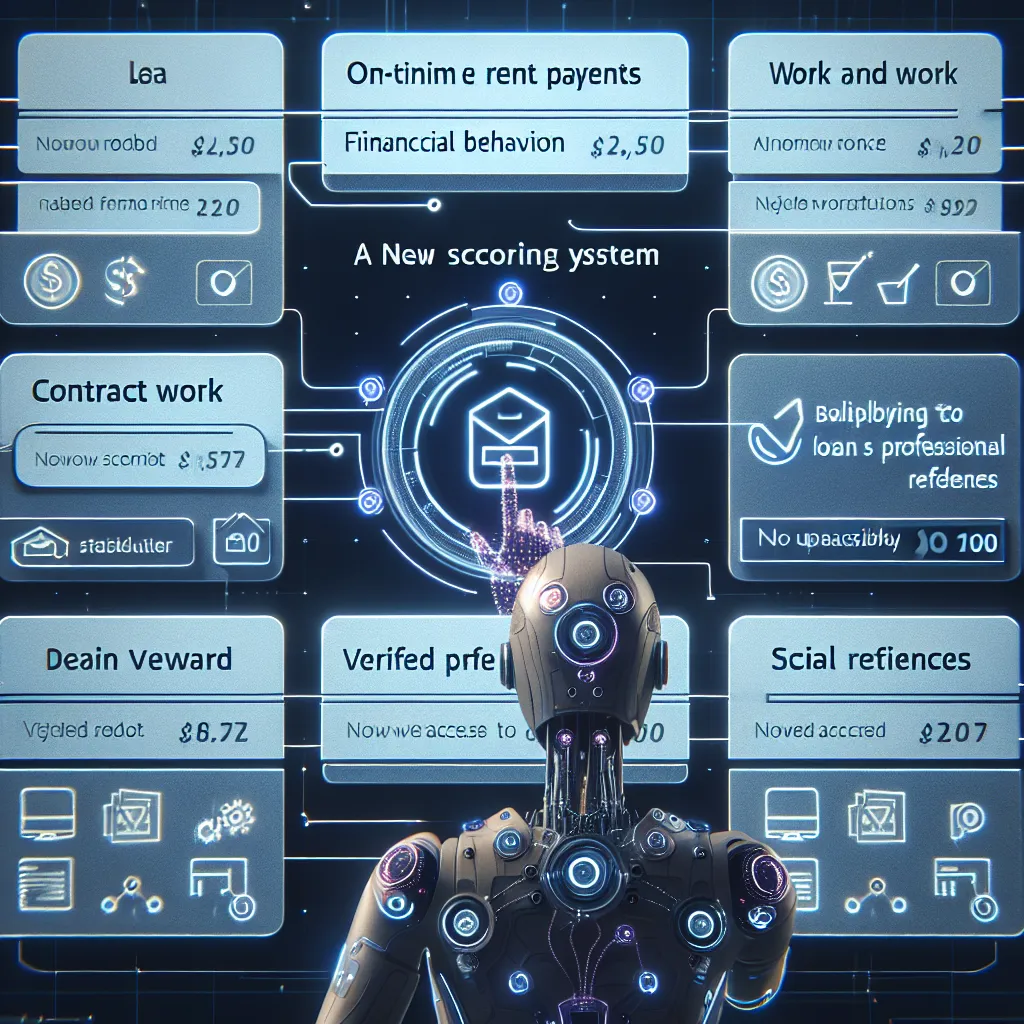
Credit scores are broken. They lag behind real behavior, ignore new types of income, and fail millions of creditworthy people. A new reputation and risk layer could build a decentralized “trust score” using financial behavior, work activity, and verified social data—tied to a user’s digital wallet. This score would be portable across apps, protocols, and platforms, giving lenders, landlords, or platforms like Uber a dynamic sense of risk. Unlike static FICO scores, this system would update in real time as users demonstrate positive patterns—on-time rent payments, contract work, verified professional references, etc. For example, a freelancer with no credit history could share a wallet-linked trust score that proves reliability based on work history, platform feedback, and transaction behavior—unlocking loans or leases otherwise denied.
Description
No additional description provided.
The Pitch
In the modern financial ecosystem, traditional credit scoring models often fall short of accurately evaluating an individual’s creditworthiness. For numerous individuals, especially freelancers and those in the gig economy, conventional credit metrics can be both exclusionary and limiting. Such systems tend to rely heavily on outdated methods that do not account for diverse income streams or unconventional employment history. They fail to consider new types of income, timely rent payments, or freelance work—a significant oversight in a rapidly changing world where career paths are becoming less traditional.
This oversight not only affects individuals' ability to secure loans but also impacts their access to housing, employment opportunities, and other financial services. There's a clear need for an innovative approach that considers evolving financial behaviors and diverse economic activities, paving the way for a more inclusive and accurate method of assessing trustworthiness and credit risk.
**Proposed Solution:**
To address these issues, we propose the development of a decentralized trust score system. This new approach leverages financial behaviors, work activities, and verified social data to create a comprehensive and dynamic reputation score, all linked to a user’s digital wallet. Unlike static credit scores, this trust score will update in real-time, reflecting the individual's latest financial behaviors and professional activities.
**Product Details:**
1. **Decentralized Trust Score:** - Aggregates data from various sources including on-time rent payments, contract work history, verified professional references, and transaction behavior. - Links this data to a digital wallet, ensuring portability and accessibility across multiple platforms and applications. - Dynamically updates to reflect real-time changes in financial behaviors and activities.
2. **Data Integration:** - Incorporates APIs to pull verified data from financial institutions, gig platforms, and social networks. - Uses blockchain technology to ensure the privacy and security of personal data while maintaining transparency.
3. **User Interface:** - Provides an easy-to-use portal where users can view their trust scores and understand contributing factors. - Offers insights and recommendations for improving their trustworthiness based on current behaviors.
**Tools for MVP Development:**
1. **Blockchain Platform:** - Ethereum or Solana for building the decentralized aspects of the trust score system.
2. **APIs for Data Integration:** - Use of Plaid or TrueLayer to connect financial behaviors. - LinkedIn or similar platforms for professional reference verification.
3. **Development Frameworks:** - React for a responsive user interface. - Node.js for backend services to manage data processing and API integrations.
**Go-To-Market Strategy (GTM):**
1. **Target Audience:** - Freelancers, gig economy workers, and individuals with non-traditional income. - Financial institutions, landlords, and gig economy platforms interested in innovative risk assessment tools.
2. **Partnerships:** - Collaborate with fintech companies, payment platforms, and real estate management firms to gain wider acceptance and integration. - Partner with gig economy platforms to pilot the trust score with their workforce.
3. **Marketing:** - Leverage digital marketing through social media, content marketing, and targeted ads focusing on the benefits of an inclusive credit assessment tool. - Host webinars and workshops to educate potential users and partners on the advantages of the trust score system.
**Business Model:**
1. **Subscription Model:** - Offer tiered subscription plans for financial institutions, landlords, and platforms accessing the trust score data.
2. **Freemium Model for Individuals:** - Provide basic access to individuals for free, with premium features such as detailed analytics available for a subscription fee.
3. **Data Licensing:** - License aggregated and anonymized data trends to financial analysts and research institutions.
Through this innovative approach, the goal is to create a more inclusive, accurate, and dynamic system that reflects the true financial behaviors and reliability of individuals, drastically improving access to financial products and services for those currently underserved by traditional credit systems.