Decentralized Portable Brain Imaging for Local Clinics
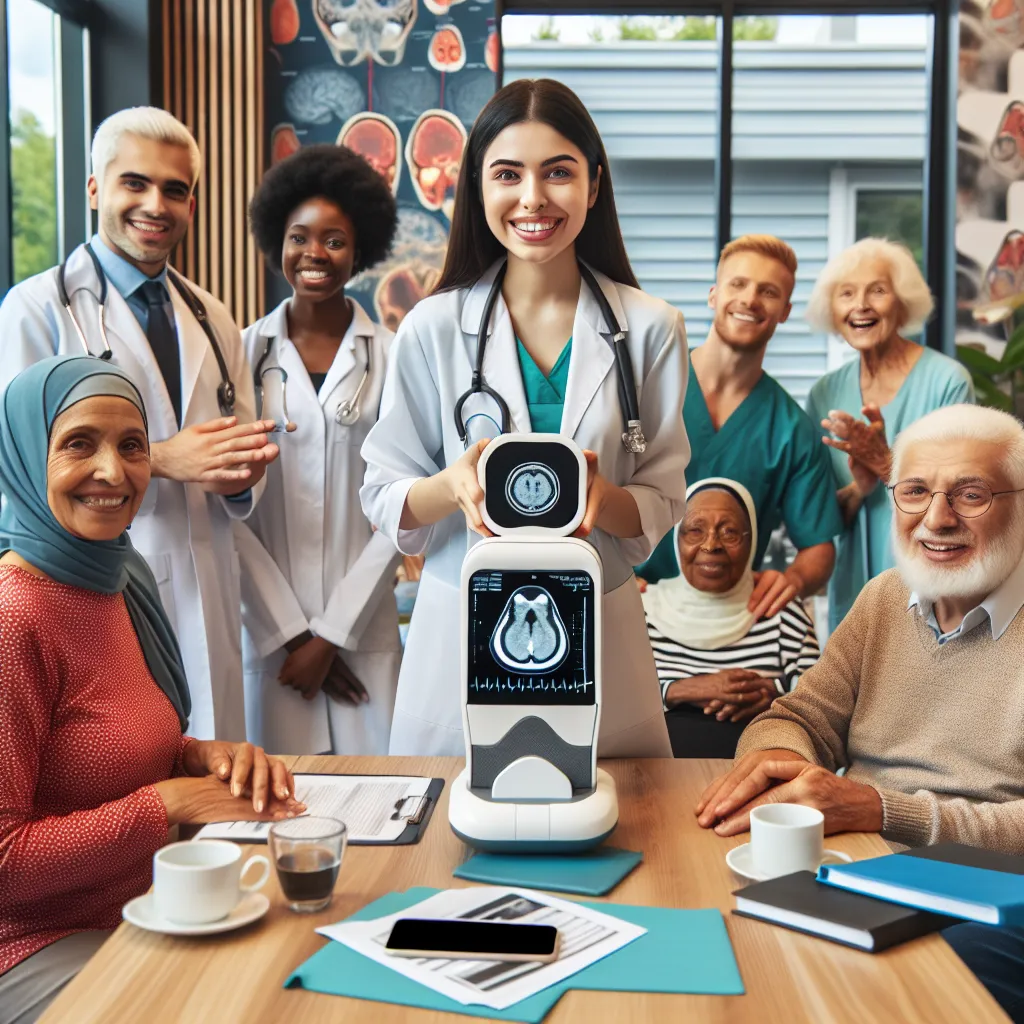
Advanced brain imaging is locked inside big hospitals with $3M scanners. This startup decentralizes it. Portable CT and MR units are bundled into a subscription service that plugs into local clinics, assisted-living centers, and urgent-care chains. AI handles setup, segmentation, and diagnostics, transmitting results to specialists remotely. The cost drops 10× while quality remains high. The timing is perfect: portable imaging hardware is finally FDA-cleared, reimbursement codes for remote reads exist, and rural healthcare demand is exploding. A retirement community could schedule a “neuro-screening day” once a quarter — like a dental cleaning for your brain.
Description
No additional description provided.
The Pitch
In an era where technological advancements continuously reshape industries, healthcare stands to benefit profoundly from innovation. One area ripe for disruption is advanced brain imaging, traditionally confined to large hospitals due to prohibitive costs and logistical challenges. This initiative aims to transform the landscape by decentralizing access to brain imaging technology through portable units integrated into a subscription-based service model.
Backstory:
For decades, access to advanced brain imaging has been limited to large hospitals equipped with multi-million dollar CT and MRI scanners. Patients in rural or underserved areas often face significant challenges in obtaining timely imaging services, leading to delayed diagnoses and care. This inequity has been a longstanding issue, exacerbated by geographic and financial barriers, and an ever-growing demand for healthcare services in non-urban regions.
The Problem:
The traditional setup of advanced brain imaging systems presents several problems:
1. High Costs: The cost of purchasing and maintaining CT and MRI machines can run into millions, preventing smaller clinics and urgent-care centers from acquiring them. 2. Accessibility: Logistical constraints often require patients to travel long distances to larger hospitals equipped with these imaging systems. 3. Delayed Diagnosis: Limited accessibility can lead to delays in imaging, impacting timely diagnosis and treatment. 4. Skilled Personnel Requirement: High-level expertise is typically required to operate these machines and interpret the results.
The Solution:
This startup envisions making advanced brain imaging as accessible as a routine dental check-up. By developing portable CT and MRI units, these systems can be distributed to local clinics, assisted living facilities, and urgent-care centers. The integration of AI capabilities into the imaging units facilitates easier setup, precise segmentation, and prompt diagnostics. Additionally, results can be instantly transmitted to specialists, enabling remote consultations.
Product Details:
1. Portable Imaging Units: Compact and easy-to-use CT and MRI machines that can be transported and installed in smaller facilities. 2. AI Integration: Advanced AI algorithms manage machine setup, image segmentation, and preliminary diagnoses, reducing the need for on-site specialists. 3. Remote Access: Imaging results are transmitted securely to remote specialists who can interpret the results and provide recommendations. 4. Subscription Service: A flexible subscription model allows facilities to pay for the service as needed, significantly lowering upfront and maintenance costs. 5. Flexible Scheduling: Facilities like retirement communities can organize regular screening events, similar to routine health check-ups.
Tools for MVP Launch:
1. FDA-Cleared Hardware: Utilizing portable imaging units that have received FDA clearance to ensure compliance and safety. 2. AI Software: Implement already available software for image analysis and diagnostics. 3. Secure Data Transmission: Employ encrypted networks for the safe transfer of medical data. 4. Pilot Partnerships: Collaborate with a select group of clinics and care centers to conduct initial testing and feedback collection.
GTM Strategy:
1. Target Early Adopters: Focus on rural healthcare providers, urgent-care chains, and assisted living communities to showcase the benefits of portable imaging. 2. Demonstrations and Workshops: Conduct workshops to demonstrate ease of use and effectiveness to potential clients and stakeholders. 3. Collaboration with Insurance: Work with insurers to ensure coverage and reimbursement for the portable imaging services. 4. Awareness Campaigns: Launch digital campaigns targeting communities with limited access to highlight the availability and advantages of localized brain imaging services.
Business Model:
1. Subscription Revenue: Offering a tiered subscription model where facilities can choose plans that match their usage needs and budget constraints. 2. Pay-Per-Scan Option: Facilities can opt to pay per scan, providing flexibility for those with less frequent imaging needs. 3. Volume Discounts: Incentives for facilities that perform a high volume of scans, encouraging regular use. 4. Training and Support Services: Provide ongoing training and technical support as an additional revenue stream.
Conclusion:
By decentralizing advanced brain imaging and bringing it directly to communities, this initiative addresses an urgent need within the healthcare sector. With a robust focus on accessibility, affordability, and quality, the endeavor promises to reshape how brain imaging services are delivered, ensuring that equitable healthcare is no longer confined by geography or finances.