Decentralized Oracle for Verified Environmental Data
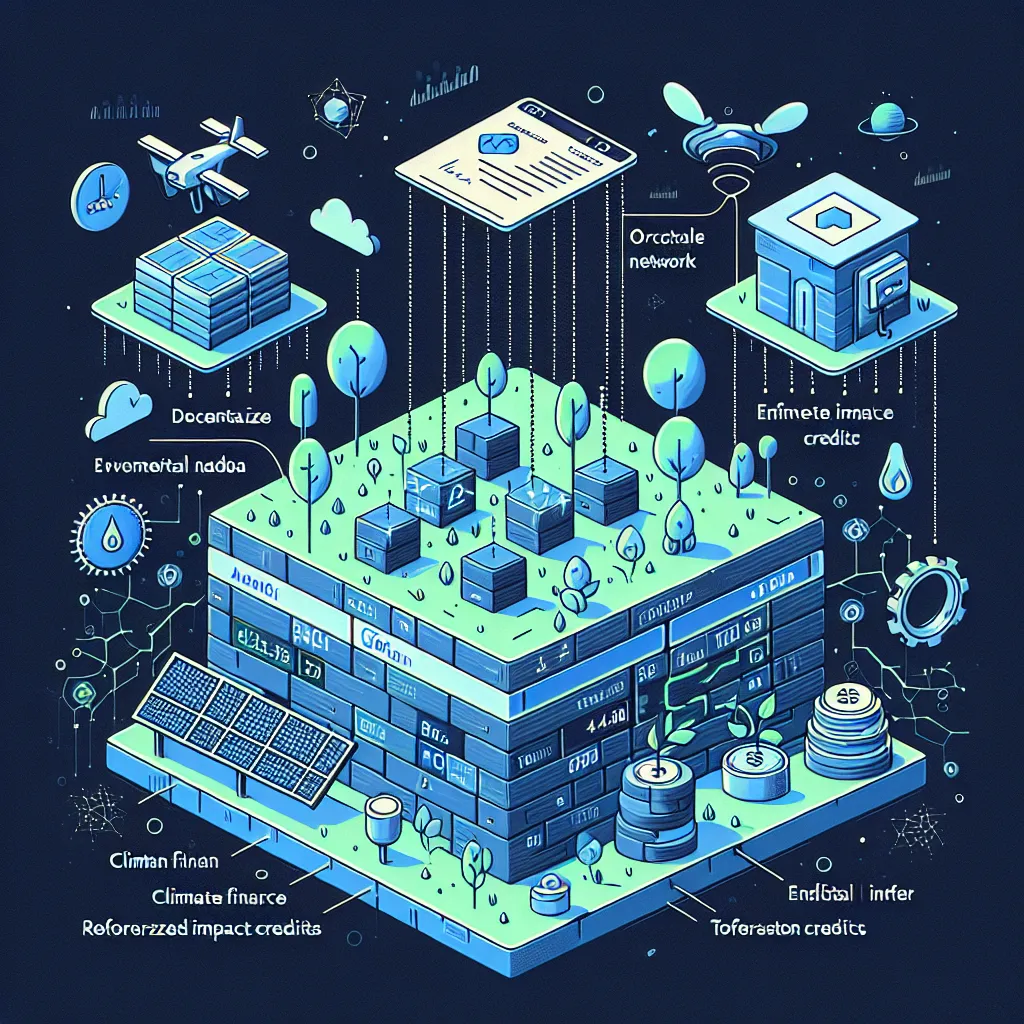
Today’s oracle networks serve financial data well, but climate and grid infrastructure data—solar output, water usage, air quality—is fragmented and unverifiable. This startup builds a decentralized oracle layer pulling real-time IoT and sensor data, verified through zk-proofs and timestamped on-chain. Why now? Climate finance and tokenized impact credits require real-world data, and hardware like Helium or WeatherXM is becoming more accessible. Example: A carbon credit DAO uses the oracle to verify real-time reforestation data from drones and triggers automated payouts based on verified biomass growth.
Description
No additional description provided.
The Pitch
In recent years, the demand for accurate and verifiable environmental data has grown significantly. As organizations and individuals become more aware of climate change and its impacts, the need for reliable data to drive decisions in climate finance, sustainability initiatives, and regulatory compliance has become critical. Today, the existing oracle networks cater well to financial data but fall short when it comes to environmental data such as solar output, water usage, air quality, and more. This overview explores an innovative solution: a decentralized oracle network designed to provide real-time, verifiable environmental data.
Problem Statement:
The fragmentation and unverifiability of environmental data pose significant challenges to stakeholders in industries such as climate finance, renewable energy, and environmental conservation. Traditional data sources are often siloed, lack transparency, and can be easily manipulated. As a result, critical decisions regarding climate action are made on incomplete or unreliable data, which undermines efforts to combat climate change effectively.
Solution Overview:
The proposed solution is a decentralized oracle layer that aggregates real-time Internet of Things (IoT) and sensor data related to environmental metrics. By leveraging advanced cryptographic techniques like zero-knowledge proofs (zk-proofs) and storing time-stamped data on a blockchain, this system ensures the authenticity and accuracy of the data delivered. This approach not only enhances trust but also makes it easier for various entities to access and utilize high-quality environmental data.
Product Details:
The core product is a decentralized network of oracles that collect, verify, and provide environmental data. This network utilizes IoT devices and sensors to gather data, ensuring comprehensive coverage and granular insights. The data is then verified using zk-proof protocols and securely stored on a blockchain platform, making it immutably linked to its original source and timestamp. By using decentralized technology, the risk of data manipulation is minimized, providing users with a trusted source of information.
Tools and Technologies:
1. Blockchain Technology: To store time-stamped data securely and immutably. 2. Zero-Knowledge Proofs: To ensure data integrity and privacy. 3. IoT Devices and Sensors: For real-time data collection of environmental metrics. 4. Smart Contracts: To automate transactions and trigger predefined actions based on verified data.
MVP Launch Strategy:
1. Partner with hardware providers like Helium or WeatherXM to integrate with existing IoT infrastructure. 2. Develop a minimal viable product focusing on one environmental data stream, such as air quality, to ensure the system's efficacy. 3. Conduct a pilot project with a carbon credit DAO to showcase the verification process and automated payouts based on biomass growth.
Go-To-Market (GTM) Strategy:
1. Collaborate with environmental NGOs and climate finance entities to demonstrate the value proposition. 2. Attend industry conferences and webinars to increase visibility and network with potential partners and clients. 3. Utilize online marketing tactics such as content marketing, webinars, and social media engagement to target environmentally-conscious companies and investors.
Business Model:
The decentralized oracle network would operate on a subscription-based model, where users pay transaction fees for accessing verified data. Additionally, premium services can be offered for enhanced data analytics, custom reporting, and API access. Furthermore, partnerships with governmental and non-governmental organizations could open avenues for contract-based revenue.
Conclusion:
By addressing the fragmentation and lack of verification in environmental data, this decentralized oracle network presents a compelling solution for industries reliant on accurate, real-world data. As climate change continues to be a pressing global issue, innovative solutions like this not only cater to current market needs but also pave the way for future technological advancements in environmental monitoring.