Decentralized Music DAO: Empowering Artists and Fans
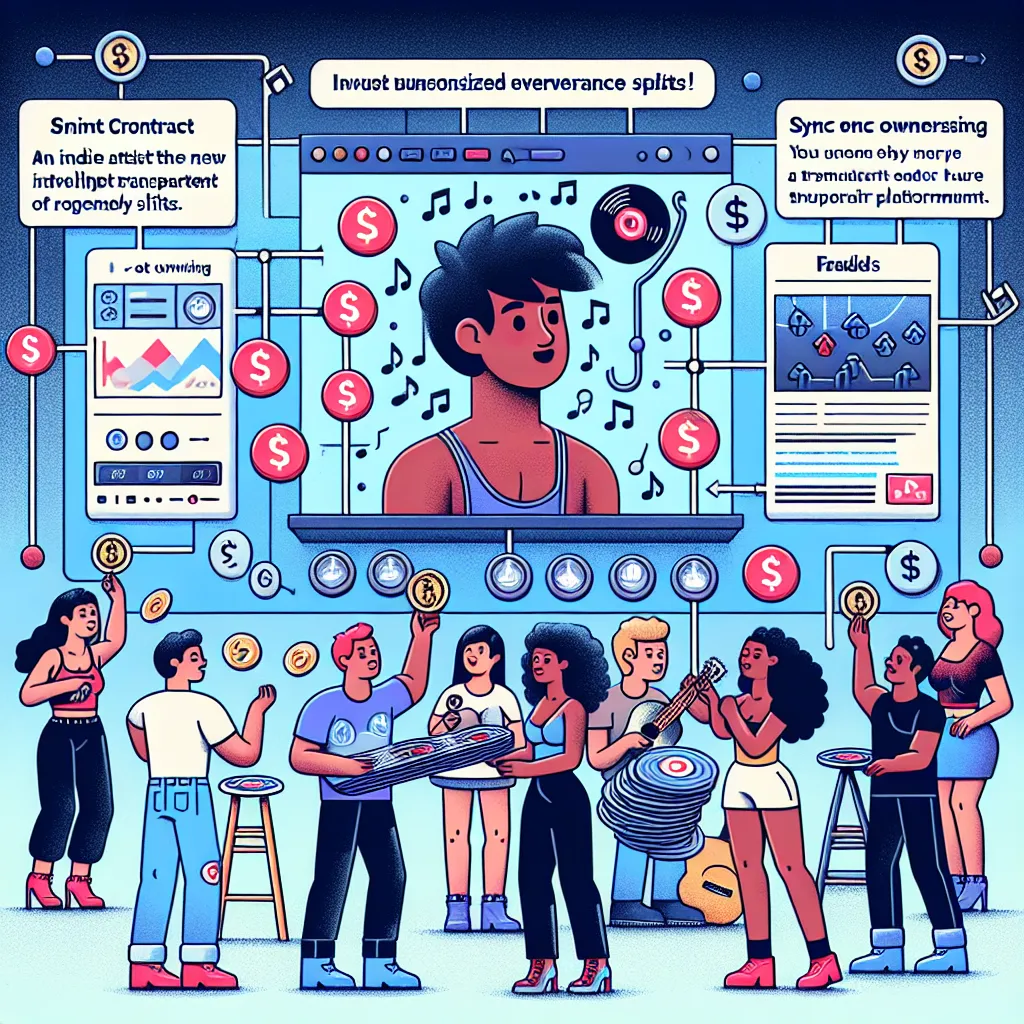
Artists today still rely on opaque intermediaries to sell or license music rights. Even platforms like Royal.io are closed networks focused on high-profile artists, leaving most musicians without access. The solution: a fully open, decentralized DAO (Decentralized Autonomous Organization) where any artist can submit music rights, and fans collectively invest, govern, and profit transparently. Smart contracts handle revenue splits, and governance tokens give fans a voice in licensing decisions — redefining community-owned music catalogs. The trend is clear: blockchain infrastructure is maturing, Swift’s reclaiming her masters is inspiring ownership movements, and Gen Z embraces decentralized models. Imagine an indie artist uploading their new EP, instantly fractionalizing ownership to 5,000 fans, who not only stream it but vote on its sync licensing to Netflix. Music democratized, ownership transparent, fans as co-owners — a true shift.
Description
No additional description provided.
The Pitch
In the contemporary music industry, artists often face the challenge of navigating a landscape dominated by intermediaries that can be both opaque and restrictive. This traditional model often results in limited opportunities for musicians, especially those who are not already high-profile, to effectively monetize their work and maintain control over their music rights. Even new platforms, while innovative, tend to focus on well-known artists, leaving emerging musicians in the shadows.
The solution to this issue is a fully open, decentralized platform operating as a Decentralized Autonomous Organization (DAO). This model allows any artist to submit their music rights directly, creating an environment where fans can invest, govern, and share in the profits in a transparent manner. By utilizing smart contracts, revenue splits are streamlined and automated, ensuring that both artists and investors are compensated fairly and efficiently. Additionally, governance tokens empower fans by giving them a say in licensing decisions, reshaping the traditional music catalog into a community-owned entity.
The timing for such a transformation in the music industry could not be better. The underlying blockchain technology necessary for this platform is becoming more accessible and robust. Meanwhile, there's a growing cultural movement towards artists reclaiming ownership of their work, as evidenced by high-profile cases like Taylor Swift. Furthermore, the younger generation, particularly Gen Z, shows a strong preference for decentralized models that prioritize transparency and community involvement.
Envision an independent artist releasing their latest EP on this platform and fractionalizing ownership among 5,000 fans. These fans not only engage by streaming the music but also take an active role by participating in votes related to licensing opportunities, such as placements in film and television. This approach democratizes the music industry, making ownership transparent and turning fans into co-owners, ultimately reflecting a significant paradigm shift.
To launch this platform as a Minimum Viable Product (MVP), several tools and strategies can facilitate the process:
1. **Blockchain Platform**: Use existing blockchain platforms like Ethereum or Polygon for building smart contracts to handle transactions and governance.
2. **Smart Contract Development Tools**: Leverage tools like Remix, Truffle, and Hardhat for writing and testing smart contracts.
3. **Decentralized Storage**: Utilize decentralized storage solutions such as IPFS or Arweave for storing music files securely and efficiently.
4. **Web3 Integration**: Implement Web3.js or similar libraries to connect the platform with blockchain networks, enabling seamless transactional interactions.
5. **User Interface Design**: Create an intuitive and user-friendly interface using front-end frameworks like React or Vue.js to ensure ease of use for artists and fans alike.
6. **Community Building**: Establish a strong social media presence and engage potential users through forums and platforms like Discord and Reddit to build a community of early adopters and supporters.
For a Go-To-Market (GTM) strategy, consider these approaches:
- **Targeted Outreach**: Start by reaching out to indie artists and musicians who are likely to benefit most from such a platform, offering them an opportunity to be early adopters and shape the platform.
- **Partnerships**: Form partnerships with indie labels, music schools, and artist collectives that can provide a steady stream of potential users.
- **Content Marketing**: Produce content that highlights success stories and the benefits of decentralized music ownership to educate and attract a wider audience.
- **Incentives**: Offer early incentives, such as reduced fees or enhanced visibility, to encourage musicians and fans to join the platform.
Regarding the business model, this platform can generate revenue through small transaction fees on music sales, licensing deals, and fan investments. Additionally, premium services for artists, such as analytics and promotional tools, can offer further revenue streams. As the platform grows, exploring partnerships with brands and media companies for exclusive licensing deals can also enhance profitability.
Overall, this decentralized music platform not only revolutionizes the way music rights are managed and monetized but also empowers a community where artists and fans coexist as collaborative stakeholders.