Decentralized Methanol Micro-Factories for Local Production
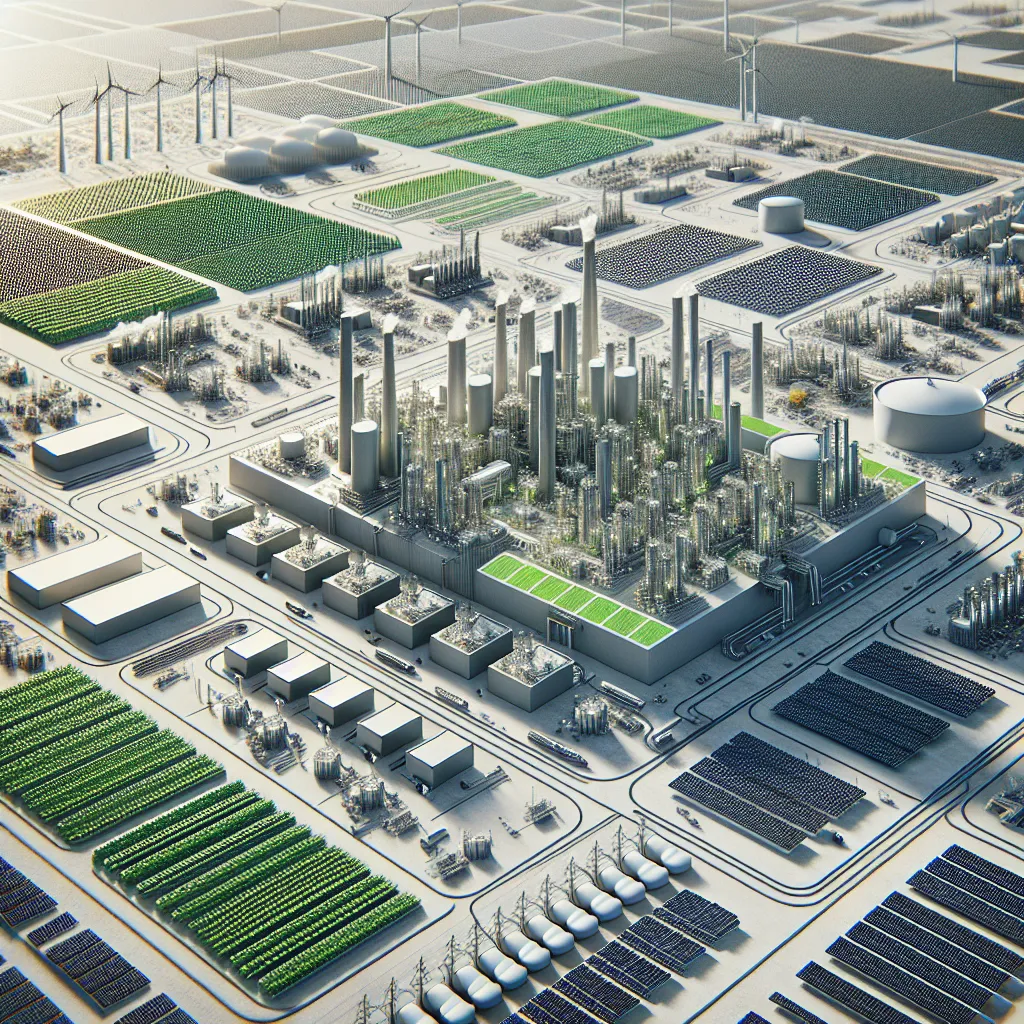
Methanol is emerging as a universal feedstock for fuels, chemicals, and materials, yet manufacturing infrastructure remains centralized and inflexible. Methanol-first micro-factories provide modular, standardized production units that can be deployed near energy sources instead of refineries. This becomes viable as solar-derived methanol becomes cheap and abundant. A manufacturer could spin up chemical production next to a solar farm rather than relying on global supply chains.
Description
No additional description provided.
The Pitch
In an age where sustainability is increasingly paramount, industries face the challenge of adapting their manufacturing processes to be more eco-friendly and resilient. Methanol, a versatile compound used in a plethora of applications such as fuels, chemicals, and materials, is gaining recognition due to its potential environmental benefits. Traditionally, the production of methanol and its derivatives has been confined to large, centralized facilities, heavily reliant on global supply chains. However, the advent of solar-derived methanol offers the opportunity to decentralize this production through methanol-first micro-factories.
**Backstory**
Methanol has been a staple in the chemical industry for decades, but its production process has largely remained the same, focused on economies of scale at massive refineries. These centralized facilities not only contribute to logistical challenges but also have a substantial carbon footprint due to transportation and energy-intensive processes. With sustainability and local resilience becoming driving forces in industrial innovation, the traditional model presents significant drawbacks.
**Problem**
The centralized nature of methanol production presents multiple challenges: - High transportation and logistic costs due to the reliance on distant refineries. - Increased susceptibility to global supply chain disruptions. - Larger carbon footprint due to long-distance transportation and centralized energy consumption. - Inflexibility to quickly adapt to market changes or to leverage local resources.
**Solution**
Methanol-first micro-factories offer a solution to these critical issues. By establishing small-scale, modular production units near energy sources, such as solar farms, the entire production process becomes more efficient, sustainable, and adaptable. This decentralized model minimizes dependencies on traditional supply chains and fosters the ability to quickly meet local market demands.
**Product Details**
Micro-factories are characterized by: - **Modular Design**: The factories are composed of scalable modules that can be easily transported and assembled. This flexibility allows for quick deployment and expansion as needed. - **Proximity to Renewable Energy Sources**: By situating these factories near solar farms, production can be powered largely by renewable energy, significantly reducing carbon emissions. - **Standardized Production**: Each unit follows a standardized manufacturing process, ensuring consistent quality and efficiency across different locations. - **Automated Operations**: Through the integration of advanced automation technologies, micro-factories require minimal human intervention, reducing labor costs and increasing precision.
**Tools for Easy MVP Launch**
- **Design Software**: Tools like AutoCAD and SolidWorks for designing modular systems. - **Automation Platforms**: Use of systems like Siemens TIA Portal or Rockwell Automation to equip factories with state-of-the-art monitoring and control technologies. - **Renewable Energy Integration**: Partner with solar technology companies to optimize the power input for these micro-factories. - **Supply Chain Platforms**: Implement systems like SAP Integrated Business Planning to ensure streamlined logistics for raw materials and distribution.
**Go-to-Market (GTM) Strategy**
- **Target Early Adopters**: Focus on regions with robust solar infrastructure and industries dependent on methanol. - **Strategic Partnerships**: Collaborate with energy providers and local governments to expedite deployment. - **Pilot Programs**: Launch pilot factories to demonstrate efficiency and scalability potential, leveraging local case studies to build credibility. - **Marketing Campaigns**: Emphasize sustainability benefits and potential cost savings to attract environmentally conscious businesses and stakeholders.
**Business Model**
- **Lease Model**: Offer micro-factories on a lease basis to lower entry costs and allow for easy scaling. - **Revenue Sharing**: Partner with local energy providers and share the revenue generated from methanol production. - **Subscription Services**: Provide ongoing maintenance, software updates, and support services for a monthly fee. - **Sale of By-products**: Capitalize on secondary markets for by-products generated during methanol production.
**Conclusion**
By embracing methanol-first micro-factories, businesses have the opportunity to revolutionize chemical production in a manner that's more sustainable, flexible, and resilient against global disruptions. This innovative approach not only aligns with modern environmental values but also provides a competitive edge in a rapidly changing marketplace.