Decentralized AI Model Marketplace
Today, AI models are controlled by centralized platforms like AWS, Hugging Face, and Google Cloud. Developers have limited say over how their models are distributed, priced, or used, leading to opaque licensing and high platform fees. Worse, access to these models can be restricted, and developers risk censorship or unfair revenue sharing. There’s no simple way for independent researchers to monetize their work globally without middlemen. A decentralized AI model marketplace would fix this by allowing developers to publish, license, and collaborate on models transparently. Blockchain-based smart contracts would automate payments, enforce licensing terms, and ensure provenance. With AI exploding across industries and Web3 tools maturing, now is the perfect time to shift control back to creators. Imagine a “decentralized Hugging Face” where researchers license niche LLMs or vision models directly to companies — no gatekeepers, fairer profits, full transparency.
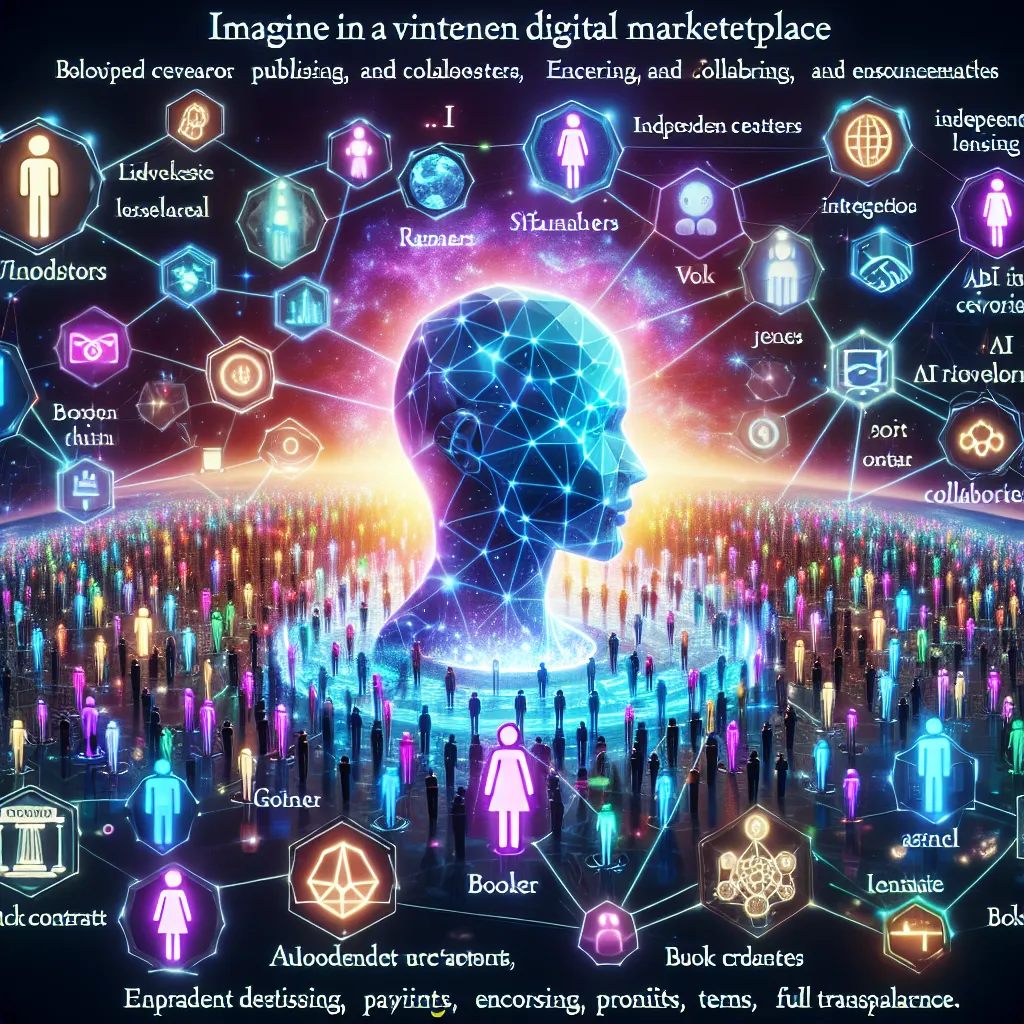
Description
No additional description provided.
The Pitch
In the rapidly evolving landscape of artificial intelligence, the current model distribution framework is primarily controlled by centralized platforms like AWS, Hugging Face, and Google Cloud. This centralized control limits the ability of developers to manage how their models are distributed, licensed, and monetized. The lack of transparency in licensing and the significant platform fees imposed further exacerbate these challenges. Moreover, developers often face restrictions in accessing these platforms, risking censorship and unfair revenue sharing. The absence of a straightforward mechanism for independent researchers to monetize their work globally without intermediary interference presents a significant gap in the market.
Backstory: Consider the rise of AI models in recent years and their potential to transform industries. Despite their value and potential, independent researchers and developers struggle to commercialize their innovations due to restrictive platforms and opaque licensing practices. This scenario often leads to missed opportunities for both creators and potential users who could benefit from cutting-edge technological advancements. The need for an inclusive, transparent, and fair marketplace for AI models is evident as more developers seek equitable avenues to share and monetize their work.
The Problem: The current centralized platforms: - Restrict developers' control over distribution, pricing, and usage of AI models. - Introduce opaque licensing terms and high platform fees. - Create barriers to access through censorship and unfair revenue sharing models. - Lack global reach for independent researchers to monetize their work without intermediaries.
The Solution: Introducing a decentralized AI model marketplace. This platform would: - Empower developers to publish, license, and collaborate on models transparently. - Use blockchain-based smart contracts to automate payments and enforce licensing terms. - Ensure provenance and transparent transactions. - Allow direct interaction between researchers and companies, eliminating gatekeepers and enabling fairer profit sharing.
Product Details: This decentralized marketplace would facilitate: - Easy model uploads and detailed licensing options for developers. - Secure transactions and automated payment distributions using cryptocurrency and smart contracts. - Reputation systems and user reviews to ensure quality and trust. - Collaborative tools for researchers to connect and co-develop AI models.
Tools for Launching an MVP: - Blockchain and smart contract development platforms like Ethereum or Solana. - Decentralized storage solutions like IPFS for secure model hosting. - Open-source frameworks for building decentralized applications, such as Truffle or Hardhat. - AI model hosting and API development frameworks to facilitate model interaction.
GTM Strategy: - Begin by targeting independent AI researchers and small AI-driven startups who are underserved by current centralized platforms. - Leverage partnerships with blockchain technology providers and academic institutions to build credibility and reach. - Use digital marketing, influencer collaborations, and community-building initiatives in AI and Web3 spaces to create awareness. - Organize hackathons and developer challenges to boost platform adoption and engage the community.
Business Model: - Implement a transaction-based revenue model with minimal platform fees to ensure sustainability while maintaining fairness. - Offer premium subscription plans for enhanced visibility and additional services such as analytics and reporting tools. - Introduce a token-based ecosystem that rewards active contributors and collaborators, facilitating community-driven growth.
Conclusion: The convergence of AI and Web3 presents a unique opportunity to redefine how AI models are distributed and monetized. By building a decentralized AI model marketplace, control is shifted back into the hands of the developers, offering a more equitable, transparent, and efficient ecosystem for creators and consumers alike. The timing is ripe to harness the power of blockchain to innovate and decentralize the AI industry, ensuring that technological advancements are accessible and beneficial to all stakeholders.