DebugAI: AI-Powered Debugging for Modern Development
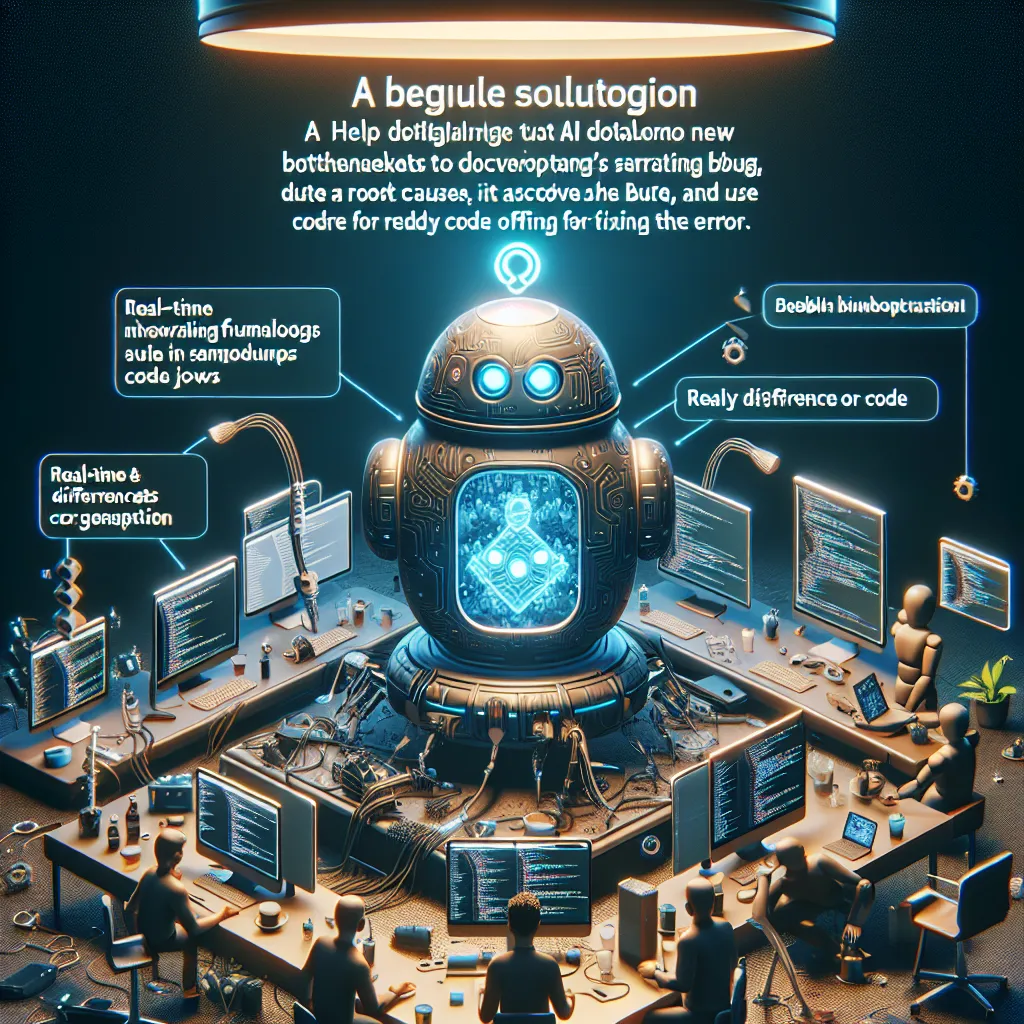
As AI speeds up code generation, developers are hitting a new bottleneck: debugging and troubleshooting issues across fragmented environments. Traditional tools like logs or error tracing aren’t optimized for AI-generated code or distributed LLM apps. DebugAI is a copilot that runs alongside your app, watches runtime behavior, and when failures occur, automatically reproduces bugs, explains root causes, and suggests fix-ready code. It supports multiple frameworks, offers real-time diff insights, and integrates into CI/CD flows. Why now? With Coatue noting a full-stack rewrite of dev tooling due to AI, debugging remains unsolved. For example, a startup building an AI workflow tool could use DebugAI to instantly trace and fix a failing vector embedding job without manual logging or guesswork.
Description
No additional description provided.
The Pitch
Developers are gaining unprecedented speed in code generation thanks to AI advancements. However, this increase in productivity brings forth a new challenge: debugging and troubleshooting in fragmented, AI-driven environments. Traditional debugging tools, like logs and error tracing, are not built to handle the complexities of AI-generated code or distributed large language model (LLM) applications.
The emergence of DebugAI addresses this pressing issue. Acting as a copilot, DebugAI operates alongside your application, monitoring runtime behavior. When a failure occurs, it automatically reproduces bugs, identifies root causes, and provides code suggestions ready for fixes. Designed to handle multiple frameworks, DebugAI offers real-time diff insights and seamlessly integrates into continuous integration and continuous deployment (CI/CD) pipelines.
The pressing need for DebugAI arises from the insights shared by companies like Coatue, predicting a comprehensive rewrite of the development tooling stack due to AI advancements, while debugging remains unsolved. For instance, consider a startup developing an AI workflow tool. Using DebugAI, they can quickly trace and resolve a failing vector embedding job without resorting to manual logging or extensive guesswork.
For those interested in turning this concept into reality, the journey begins with understanding the problem developers face today. The complexity of AI-driven code and distributed applications makes traditional debugging inadequate. Developers need a solution that can keep pace with AI's capabilities and offer actionable insights instantly.
The proposed solution is a comprehensive tool that not only monitors and reports issues but also actively assists in resolving them. DebugAI is designed to integrate smoothly into current developer workflows, providing support across various frameworks and offering a modern approach to troubleshooting.
To develop DebugAI as a viable product, consider starting with building an MVP using these tools and technologies:
- A robust backend built with languages like Python or Node.js for handling runtime analysis and data processing. - Frontend interface using React or Vue.js for intuitive user interaction with real-time data presentation. - Integration capabilities with popular CI/CD platforms like Jenkins, GitHub Actions, or GitLab. - Support for multiple frameworks, ensuring adaptability and broader use.
Once the MVP is ready, a thoughtful go-to-market strategy is essential.
Start by targeting small to medium-sized tech companies and startups heavily investing in AI. Attending developer conferences and leveraging developer communities can effectively raise awareness and interest. Offering a freemium model could attract early adopters, providing basic features for free while monetizing advanced functionalities.
The business model for DebugAI can be subscription-based, with tiered pricing plans depending on usage, team size, and additional enterprise features. Long-term, partnerships with major cloud providers and AI platforms could ensure a wider reach and deeper integration into existing ecosystems.
By addressing the specific challenges faced by developers today, DebugAI has the potential to become an indispensable tool in the AI-driven development space, streamlining debugging processes and enhancing productivity across the board.