Data-Driven Mini Donut Franchise Startup Model
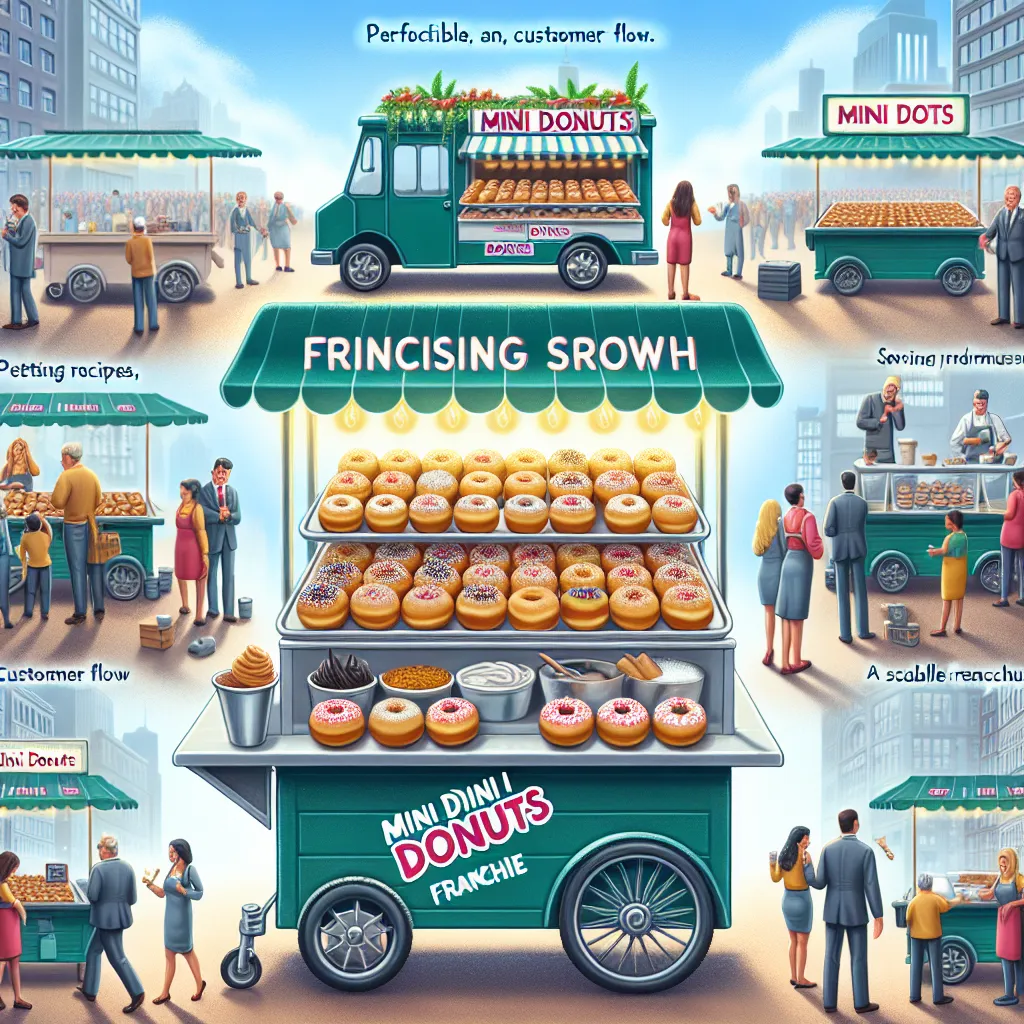
Most aspiring food franchise owners fail because they invest heavily in storefronts and branding before proving basic demand. This model flips the script by launching a mini donut franchise from a single cart operating at farmers markets, fairs, and local events. Entrepreneurs perfect recipes, pricing, and customer flow in real-world conditions before expanding. The business grows only when data supports it—cart one to cart two, then to a branded kiosk, and eventually into a scalable franchise. This de-risks the process and makes franchising accessible to everyday builders, not just those with deep capital. “He’s eliminated the option to be casual about this business… without removing his ability to survive.”
Description
No additional description provided.
The Pitch
Moving into the world of food franchises can be daunting, especially when the traditional path requires substantial investments in storefronts and branding before assessing genuine market demand. A promising approach for aspiring entrepreneurs involves reversing this conventional order by starting with a smaller, more manageable operation. This involves launching a mini donut franchise using a single cart that operates at farmers markets, fairs, and local events, offering a new way to test and perfect a business concept with minimal risk.
The journey begins with a backstory familiar to many would-be franchise owners: the high upfront costs and significant financial commitments often deter individuals before determining the true potential of their business idea. The challenge lies in validating demand while keeping expenditures lean, thereby avoiding the pitfalls that can accompany large-scale investments from the outset.
The solution is straightforward and innovative. Instead of investing in a full-blown storefront right away, entrepreneurs start with a modest cart. This scaled-down version provides numerous advantages, chiefly the ability to test and tweak recipes, pricing strategies, and customer service interactions directly through real-world feedback. It allows for learning and adjustments in a low-stakes environment, ultimately paving the way for more informed decisions regarding expansion.
Product details focus on offering mini donuts, customizable and appealing to a wide range of tastes. The operational simplicity of a cart makes it easy to manage while still delighting customers with fresh, made-to-order treats. The mobility of carts provides flexibility to explore various locations and periods of operation that maximize customer flow, such as weekends at farmers markets or weekdays at bustling downtown fairs.
To make launching this venture straightforward, several tools and resources can be deployed. Platforms such as Square or Clover can handle point-of-sale transactions efficiently. Recipes can be refined by collaborating with local chefs or through culinary workshops, while food suppliers can be sourced from local markets to ensure quality and reduce supply chain costs. The cart itself can be a customized purchase or a rented unit to further minimize upfront costs.
A go-to-market strategy leverages the agility of the cart model. Engaging storytelling around the origins of the business, combined with strategic placements at well-attended local events, ensures visibility. Using local influencers and social media platforms to amplify the brand story and showcase the unique aspects of the business creates community interest and anticipation. These initial marketing efforts highlight the value proposition: a delightful, freshly made treat that satisfies without the premium price tag.
The business model focuses on an incremental growth plan. Success with the first cart builds the framework for additional carts or branded kiosks. Data collected from initial operations informs decisions about scaling up. The aim is to expand only when supported by empirical evidence, ultimately leading to a franchise model that is accessible without demanding deep pockets from investors.
This strategy of controlled, evidence-based growth transforms the franchise into an opportunity available for everyday entrepreneurs, reducing risks while maintaining the ability to thrive.