Data Cleanup and Packaging Platform for Licensing
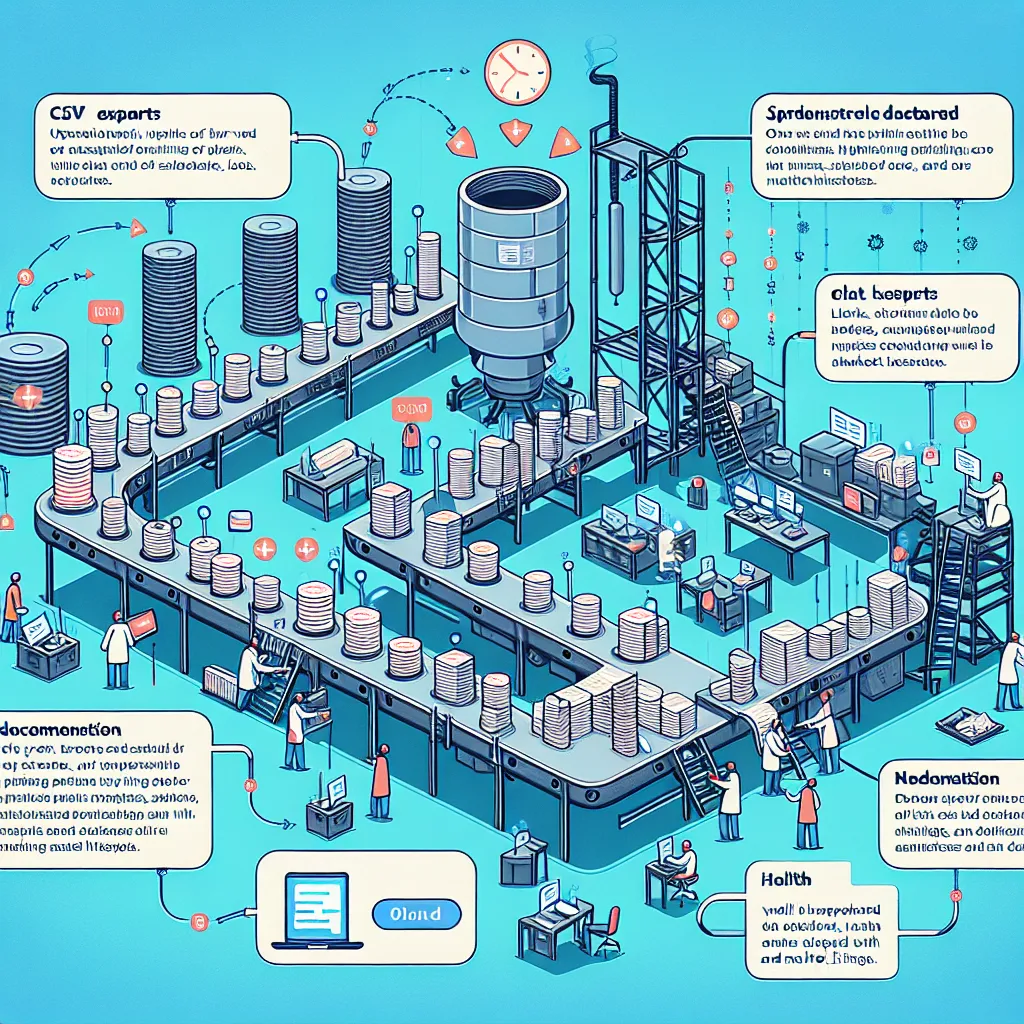
Many organizations have vast amounts of raw or messy data—CSV exports, logs, spreadsheets—but lack the internal expertise to prepare them for licensing. The opportunity is a platform that provides data clean-up, labeling, and packaging services as a productized workflow. Users upload raw files and receive cleaned, structured datasets, complete with documentation and metadata required for compliance and market listings. As AI model developers struggle with unreliable or poorly structured data, this offering bridges the gap between data holders and buyers. For example, a small telehealth startup uploads months of chat logs and appointment records, and the platform returns a well-labeled dataset on patient intake behavior that can be licensed to LLM-based health tools.
Description
No additional description provided.
The Pitch
In today’s data-driven world, many organizations possess large volumes of raw or unstructured data from various sources like CSV exports, logs, or spreadsheets. However, they often lack the necessary internal expertise to prepare these data assets for licensing and broader utilization. This gap presents a significant opportunity for a solution that streamlines the data preparation process, enabling businesses to monetize their data effectively.
Backstory
The rapid growth of data generation across industries has resulted in organizations accumulating vast amounts of information. Yet, the challenge remains in converting this raw data into valuable, compliant, and market-ready datasets. This is further complicated by the requirements for documentation and metadata to ensure compliance with industry standards and facilitate successful market listings. As organizations struggle with these tasks, the need for an efficient, reliable solution becomes evident.
Problem
Many businesses face the challenge of transforming their raw data into structured datasets that are ready for licensing. The existing internal processes are often inadequate, requiring significant time and resources that many organizations cannot afford. The complexity of data clean-up and structuring tasks often leads to inconsistent and unreliable outputs, which in turn, diminishes the data's potential value. This is a particular pain point for AI model developers who rely on high-quality, well-structured data to build accurate models.
Solution
Introducing a platform that offers data clean-up, labeling, and packaging services as a productized workflow. This platform allows users to upload their raw files and receive back cleaned, structured datasets, complete with the necessary documentation and metadata for compliance and market readiness. By automating and standardizing the data preparation process, the platform ensures consistency and reliability, bridging the gap between data holders and potential buyers.
Product Details
The platform provides a comprehensive suite of services, including:
- Automated Data Clean-Up: Utilizing advanced algorithms to remove duplicates, correct errors, and handle missing values efficiently. - Data Labeling: Applying intelligent techniques to label and categorize data accurately, enhancing its usability for specific applications. - Packaging and Documentation: Generating complete documentation and metadata to ensure compliance and facilitate seamless integration with various market platforms.
For example, a small telehealth startup could upload months of chat logs and appointment records. The platform would process these inputs and return a well-labeled dataset detailing patient intake behavior, which can be licensed to companies developing large language model-based health tools.
Tools for MVP Launch
To develop and launch this platform as a Minimum Viable Product (MVP), consider using the following tools and technologies:
- Cloud Infrastructure: Utilize platforms like AWS or Google Cloud for scalable data processing and storage solutions. - Machine Learning Frameworks: Integrate frameworks such as TensorFlow or PyTorch for advanced data labeling tasks. - Documentation Tools: Employ documentation generation tools like Sphinx to automate the creation of dataset metadata and user guides. - Data Integration APIs: Implement APIs to enable smooth data uploads and downloads, ensuring user-friendly experiences.
Go-To-Market (GTM) Strategy
The go-to-market strategy will focus on targeting key industries with significant data licensing potential, such as healthcare, finance, and retail. Key components of the strategy include:
- Building Partnerships: Collaborate with data marketplaces and industry associations to enhance credibility and reach. - Direct Outreach: Implement targeted outreach campaigns to organizations with high data volumes, highlighting the platform's benefits. - Thought Leadership: Share insights and case studies through content marketing, webinars, and industry conferences to establish authority.
Business Model
The platform will adopt a subscription-based model, offering tiered pricing plans based on the volume of data processed, additional services like custom labeling, and priority support options. This model ensures recurring revenue and allows organizations of different sizes to access the services according to their specific needs.
By addressing the critical need for efficient data preparation and licensing solutions, this platform represents a transformative opportunity for organizations seeking to unlock the full potential of their data assets.