Customizable 3D-Printed Ant Habitats Revolutionize Learning
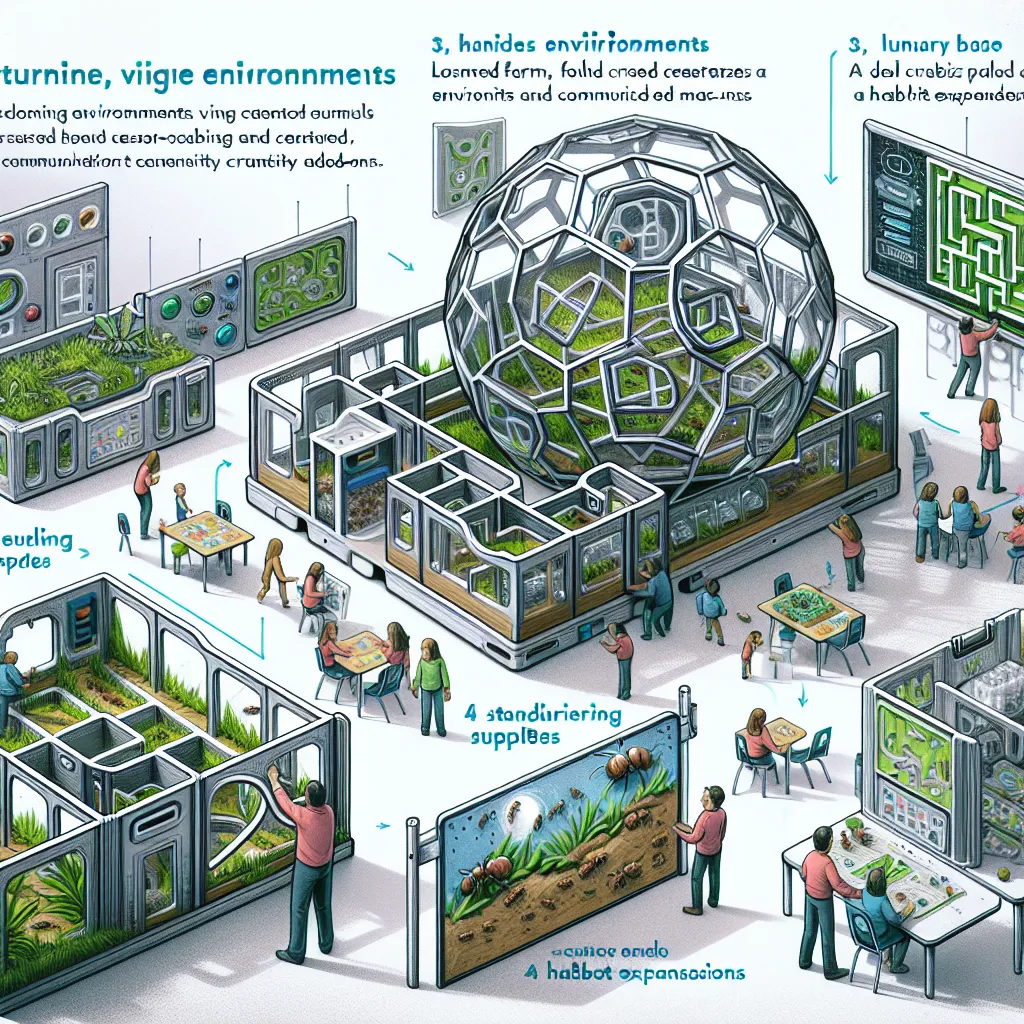
Traditional ant farms haven’t evolved in decades and lack creativity or customization. A modular, 3D-print-friendly ant habitat system would let users build themed environments—moon bases, mazes, jungles—using standardized panels and community-designed add-ons. Revenue comes from recurring supplies like ants, food, and habitat expansions. This works now because consumer 3D printers are mainstream and maker communities thrive on remix culture. For example, a teacher downloads a classroom maze module, prints it overnight, and installs it into a standardized clear viewing frame for a STEM lesson.
Description
No additional description provided.
The Pitch
Ant farms have long been a staple educational and hobbyist tool, introducing individuals to the fascinating world of these industrious insects. However, the traditional design of ant farms has remained stagnant for many years, offering little in terms of creativity or personalization. With the advent of new technology, particularly in the realm of 3D printing and maker communities, there is a ripe opportunity to revolutionize the ant habitat market.
Problem:
The conventional ant habitat experience is limited by static designs that do not engage or inspire creativity. These standard models often do not allow for customization or thematic exploration, limiting the educational potential and the overall user experience. Moreover, they do not take advantage of modern technological advancements that can enhance interactivity and engagement.
Solution:
The solution lies in developing a modular, 3D-print-friendly ant habitat system that allows users to create and customize themed environments. By designing a system of standardized panels and community-designed add-ons, users can construct habitats that reflect spaces such as moon bases, intricate mazes, lush jungles, and beyond. This innovation not only revitalizes the ant-keeping hobby but also integrates modern technology to provide a more immersive experience.
Product Details:
The modular habitat system consists of several key components:
1. **Standardized Panels**: Clear, durable materials with interlocking features allow users to piece together different sections of the habitat easily. These panels serve as the base upon which themes and environments can be constructed.
2. **3D-Printable Modules**: A library of downloadable and shareable designs enables users to print components that fit seamlessly onto the standardized panels. These modules can be educational, such as maze challenges, or purely aesthetic, like jungle foliage.
3. **Community-Driven Designs**: Leveraging the power of maker communities, users can create and share their own designs, adding to a communal repository that encourages innovation and customization.
4. **Supplementary Components**: Essential items such as ants, food, and environmental enrichments can be supplied through a subscription service, ensuring the habitats are always active and well-maintained.
Tools for Launching an MVP:
- **3D Printing Technology**: Utilize readily available, affordable consumer 3D printers to prototype and refine the modular designs.
- **Online Design Platforms**: Platforms like Tinkercad or Fusion 360 for designing printable modules.
- **Community Platforms**: Use sites like Thingiverse or MyMiniFactory to host and share user-designed add-ons.
- **E-commerce Tools**: Shopify or Etsy for setting up an online storefront to handle transactions and subscriptions.
Go-To-Market Strategy:
1. **Target Enthusiast Communities**: Begin by engaging with maker and hobbyist communities through online forums, social media groups, and expos or maker fairs.
2. **Educational Partnerships**: Collaborate with educators to promote the modular habitats as a tool for teaching about biology, physics, and engineering concepts through hands-on learning.
3. **Influencer Collaborations**: Partner with educational content creators and influencers in the tech or hobbyist space to reach a broader audience.
4. **Pilot Programs**: Initially launch a pilot program offering schools and educational institutions discounted rates to test and provide feedback on product effectiveness and engagement.
Business Model:
The business will generate revenue through:
- **Initial Kit Sales**: Selling starter kits that include basic panels and initial printable designs.
- **Subscription Service**: Offering a subscription model for recurring supplies, such as ants, food, and new community-inspired module designs.
- **Monetized Community Platform**: Implement a premium membership for access to exclusive designs and early releases from community creators.
- **Custom Order Services**: Provide personalized design and printing services for unique habitat configurations.
Conclusion:
By merging traditional ant farming with the possibilities unlocked by 3D printing and community design, this venture offers a modernized, interactive, and customizable experience. This approach aligns with current technological trends, leverages creative community participation, and reinvigorates interest in a beloved hobby, making it an attractive opportunity for both consumers and investors.