Curriculum Transparency Platform for Parental Engagement
As debates over classroom content intensify, parents across the U.S. are demanding more visibility into what their children are being taught—especially on culturally sensitive topics. The problem is that most school districts don’t provide easy-to-navigate curriculum previews. Parents are left to discover controversial topics only after the fact, often through viral news stories or social media. A solution is a platform where districts upload curriculum materials, reading lists, and lesson objectives in a searchable, accessible format. This would build trust and allow proactive engagement. As seen in Mahmoud v. Taylor, parents felt blindsided by LGBTQ-themed storybooks introduced without opt-out options. A transparency platform could have preemptively informed them and reduced conflict. For example, a parent in Texas could log in to see that in March, their 3rd grader will read “Julian Is a Mermaid” and access a teacher’s rationale and objectives, opening the door for informed discussion—not litigation.
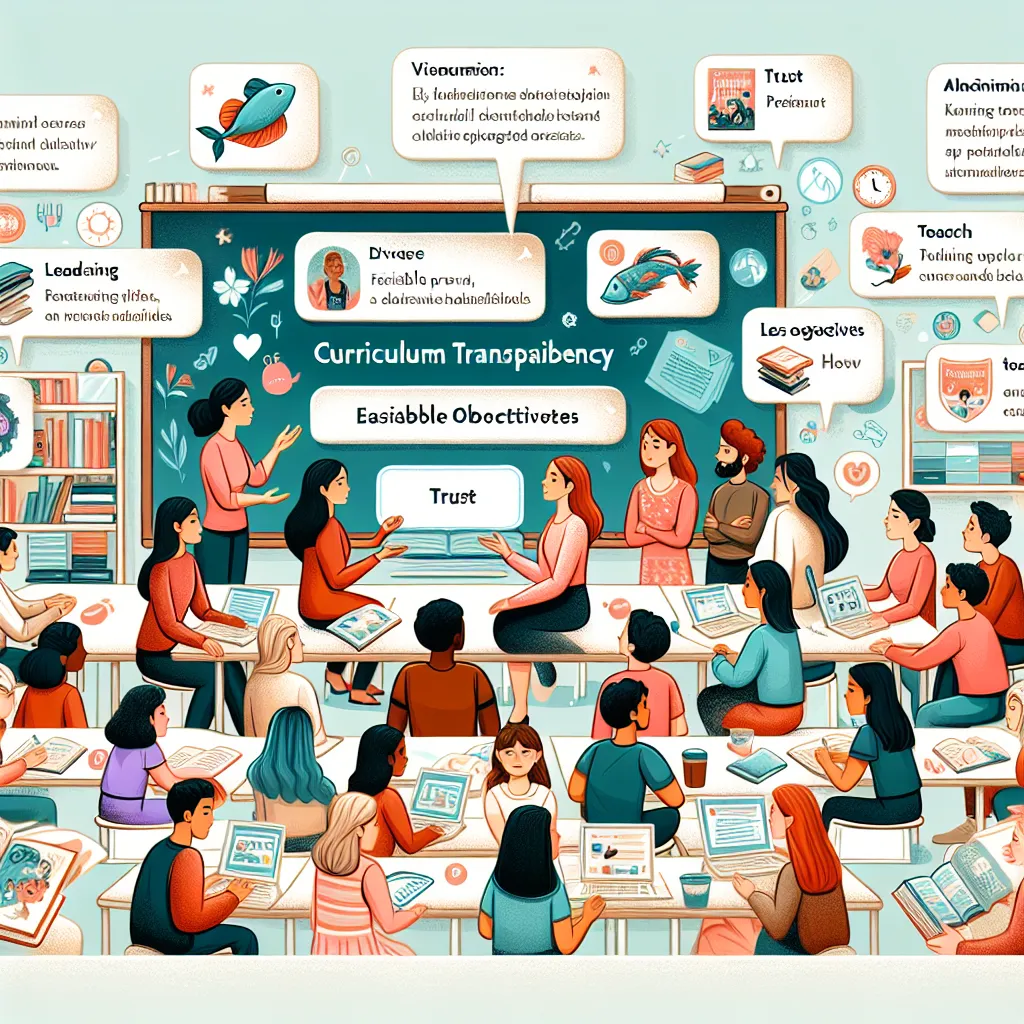
Description
No additional description provided.
The Pitch
In recent years, there has been a growing demand from parents across the United States for greater transparency in classroom content, especially as debates intensify around culturally sensitive topics. Many parents are concerned about the lack of visibility into what their children are being taught, which often leaves them discovering controversial material only through media or after the fact. This lack of proactive engagement can lead to misunderstandings and conflict between parents and educational institutions.
The primary issue lies in the fact that most school districts do not currently offer an accessible, user-friendly way for parents to review curriculum content before it is presented in classrooms. Without a structured system in place, parents remain uncertain about topics their children will encounter, which can lead to broader societal debates and even legal disputes, as was demonstrated in the case of Mahmoud v. Taylor. In this instance, parents expressed feeling blindsided when LGBTQ-themed storybooks were introduced to students without prior notification or opt-out options.
To address this issue, there is a need for a platform that enables school districts to upload curriculum materials, reading lists, and lesson objectives in a format that is both searchable and accessible to all parents. Such a platform would serve as a bridge between educators and parents, fostering trust and opening the door to proactive collaboration rather than reactive confrontation.
Consider a scenario where a parent in Texas is interested in the curriculum that their 3rd grader will encounter in March. By accessing this proposed platform, they could easily view upcoming materials, such as the book “Julian Is a Mermaid”, along with the teacher’s rationale and objectives for including it in the curriculum. This transparency not only prepares the parent for discussions with their child but also allows them the opportunity to engage in meaningful dialogues with educators beforehand.
For those interested in developing this solution, consider the following steps:
1. **Solution and Product Details**: Develop an online platform designed to host curriculum content provided by school districts. The platform should offer robust search capabilities, user-friendly navigation, and secure user authentication to ensure that only authorized individuals have access to specific district content.
2. **Tools for Building an MVP**: Leverage tools such as React or Angular for the front-end development, paired with Node.js or Ruby on Rails for the back-end. Use databases like PostgreSQL or MongoDB to handle data storage efficiently. Cloud services such as AWS or Google Cloud can provide scalable hosting solutions. Platforms like Figma or Sketch can be used for UI design to ensure a seamless user experience.
3. **Go-To-Market (GTM) Strategy**: Initiate pilot programs with a few school districts, focusing on those that have experienced conflicts over curriculum content in the past. Use the pilot results and testimonials to market the platform more broadly. Engage with parent-teacher associations and educational boards to build advocacy and increase visibility.
4. **Business Model**: Consider a subscription-based model where school districts pay an annual fee for access to the platform’s services. Alternatively, introduce a freemium model where basic access is free, with premium features available for a subscription fee. Explore partnerships with educational non-profits and governmental organizations to secure funding and endorsements.
By providing a transparent view into classroom content, this platform can serve as an important tool in bridging communication gaps between parents and educators, ultimately leading to more informed discussions and better educational outcomes for students.