Curated Learning Playlists for Focused Education
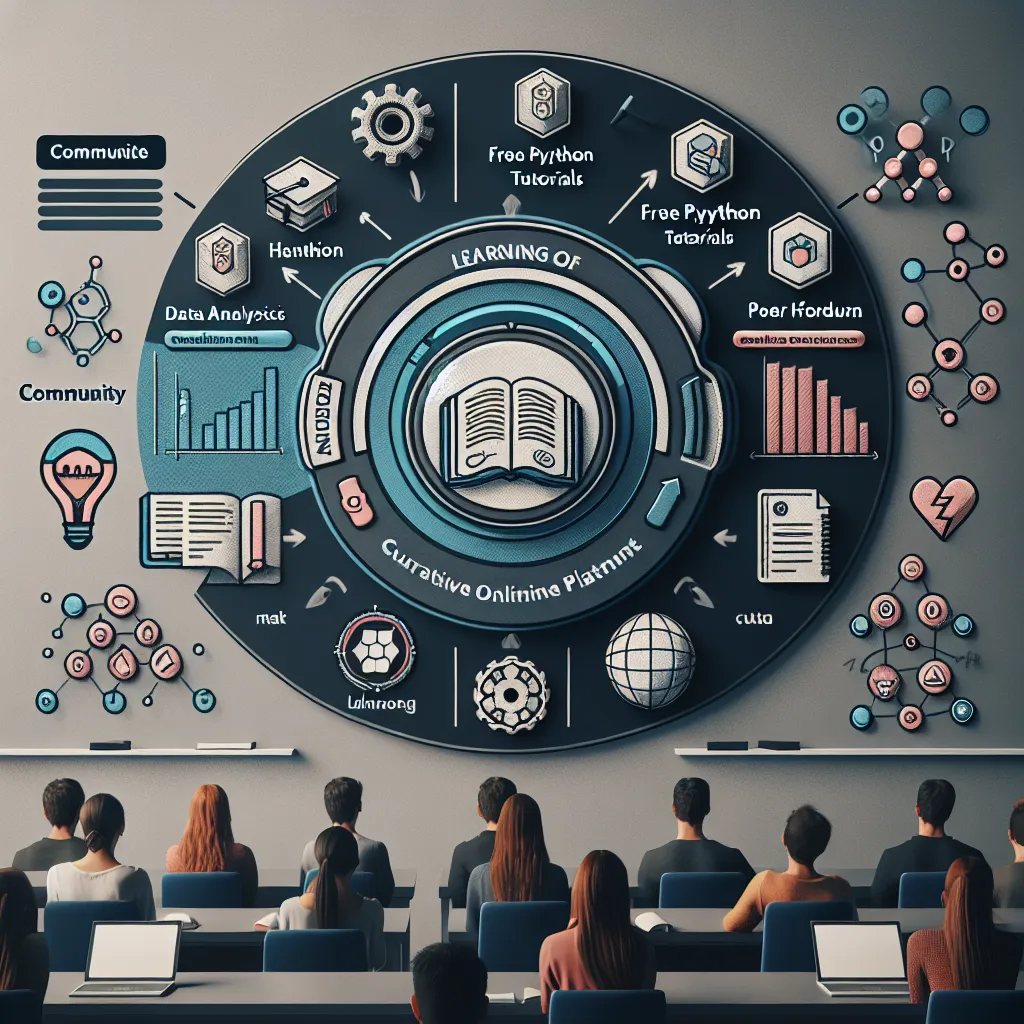
Online learning feels overwhelming — thousands of MOOCs, YouTube tutorials, Substack lessons. This tool curates “playlists” of learning materials, with progress tracking and peer accountability. Trend: curation > creation in education. Example: an aspiring data analyst follows a 12-week playlist: free Python tutorials, Khan Academy math refreshers, and peer forums.
Description
No additional description provided.
The Pitch
In an era where information is abundant and easily accessible, the challenge isn't finding learning materials but rather choosing the right ones and maintaining motivation. As online education options multiply—from MOOCs and YouTube tutorials to newsletters and interactive courses—learners often feel overwhelmed by the sheer volume of resources. This document explores a solution that leverages curated learning playlists to simplify learning journeys, enhance progress tracking, and foster community accountability.
Background
The explosion of online educational content has democratized learning, allowing individuals to acquire new skills at their own pace. However, this vast availability can lead to decision fatigue and fragmented learning experiences. Learners are in need of structured guidance to craft coherent and goal-oriented learning paths, especially in fields like data analysis, coding, digital marketing, and more.
Problem
Despite the abundance of free and paid educational content, learners often struggle with:
1. Overwhelming choice: Too many resources lead to indecision and procrastination. 2. Lack of structure: Learners lack cohesive pathways that tie resources together in a logical sequence. 3. Motivation and accountability: The absence of a support system to keep learners motivated and accountable often results in high dropout rates.
Solution
The proposed solution is a platform that offers curated learning playlists tailored to specific goals and skill sets. These playlists incorporate a variety of resources—such as online tutorials, articles, and interactive lessons—arranged in a coherent sequence. The platform also includes progress tracking tools and fosters peer accountability through community features.
Product Details
1. Curated Playlists: Expert-curated learning paths that combine various types of content from reputable sources, organized into comprehensive learning journeys.
2. Progress Tracking: An intuitive dashboard that tracks learning progress, milestones, and completion status for each playlist.
3. Peer Accountability: Community features that connect learners pursuing similar goals, allowing them to share progress, discuss challenges, and motivate each other.
4. Personalization: Customizable pathways that allow learners to adapt playlists to their unique learning pace and interests.
5. Integration: Ability to integrate with popular learning platforms and tools, making it easier for learners to keep all their educational activities in one place.
Tools for Launching the MVP
1. No-code Platforms: Utilize tools like Bubble or Glide to build a functional MVP without extensive coding knowledge.
2. Community and Forum Software: Platforms like Discourse or Tribe can host user communities and foster engagement.
3. Learning Management Systems: Use open-source LMS options like Moodle or Canvas for the backend of learning progress tracking.
4. Analytics Tools: Implement tools like Google Analytics and Mixpanel to gather insights and improve user experience.
GTM (Go-To-Market) Strategy
1. Target Audience: Focus on individuals seeking structured learning paths in fast-growing fields such as data science, web development, and digital marketing.
2. Content Marketing: Create insightful blogs, whitepapers, and guides that address common learning pains and showcase how curated playlists can solve them.
3. Partnerships: Collaborate with educational institutions, online platforms, and influencers to reach a broader audience.
4. Social Media Campaigns: Utilize platforms like LinkedIn, Twitter, and Instagram to engage potential learners and build a community around shared learning goals.
5. Freemium Model: Offer basic learning playlists for free while providing premium features—such as advanced analytics and personalized coaching—under a subscription model.
Business Model
The platform's business model will primarily be a freemium subscription model offering:
1. Free Tier: Access to basic curated playlists and community forums.
2. Premium Subscription: Advanced personalization options, in-depth analytics, exclusive content, and direct access to experts and mentors.
3. Corporate Packages: Organizations can offer employees specialized training playlists for professional development.
4. Partnership Programs: Educational content creators can partner with the platform to monetize curated playlists, sharing revenue from user subscriptions.
Conclusion
This curated learning platform addresses the modern learner's challenges by offering structure, accountability, and community. By harnessing the power of curation over creation, it transforms overwhelming information into actionable knowledge, ensuring users stay motivated and achieve their learning goals with confidence.