Culturally Adaptive Fine-Tuning for AI Agents
AI agents are improving but still underperform on real-world, long-horizon tasks, partly due to cultural mismatch. Most models are trained on Western norms and struggle in global contexts. This startup would offer a fine-tuning layer that imbues agents with cultural intelligence—adjusting tone, politeness, values, and interaction style based on region. Think of a call center AI that adapts to Japanese deference, Brazilian warmth, or Indian decision hierarchies. For example, a bank using AI to onboard customers in Southeast Asia could deploy a culturally tuned agent that builds trust more effectively.
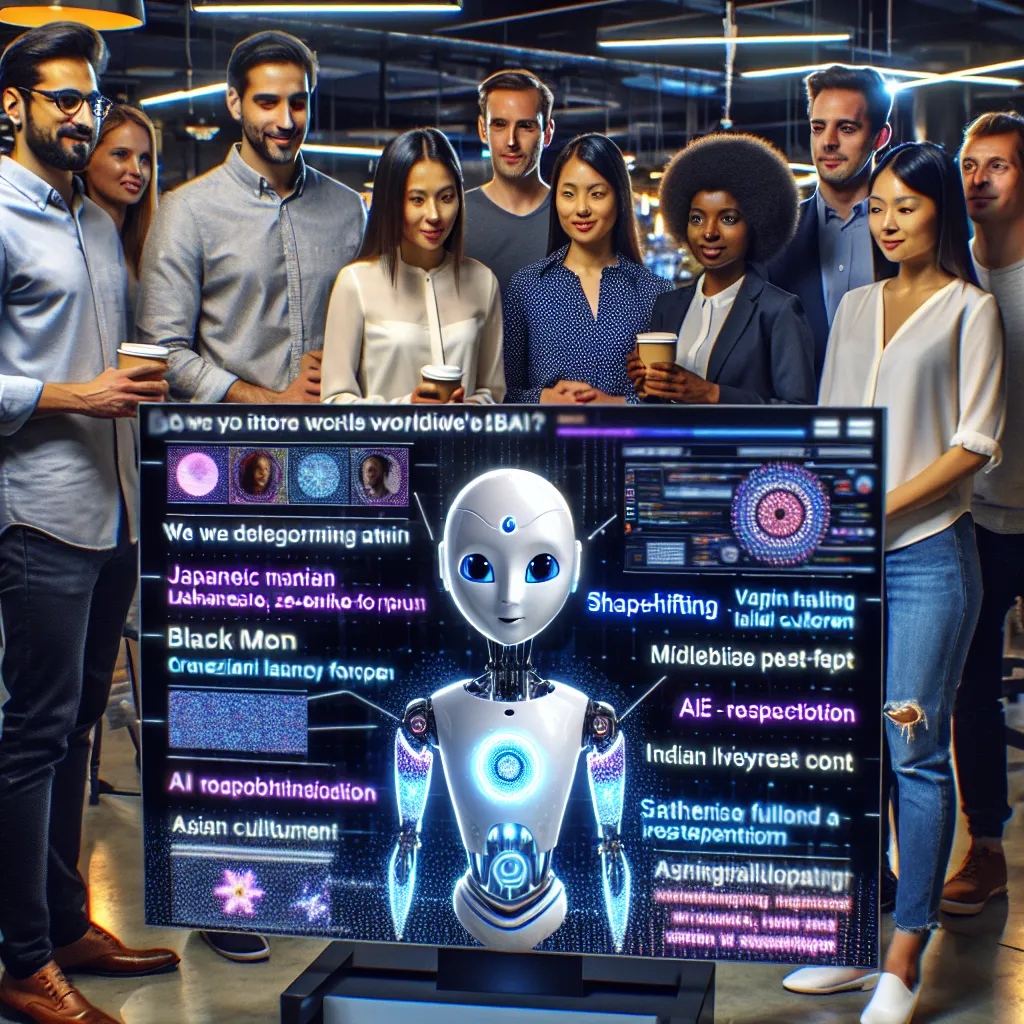
Description
No additional description provided.
The Pitch
As artificial intelligence evolves, its adoption across industries is becoming increasingly mainstream. However, one of the challenges that persist is the cultural mismatch between AI agents and users from diverse global backgrounds. Most AI models are predominantly trained on Western norms and cultural contexts, leading to suboptimal performance and user dissatisfaction in non-Western settings. This has opened up a significant opportunity for innovation: a startup focused on bridging this cultural gap with AI.
Backstory:
AI technologies have the potential to revolutionize industries such as customer service, financial services, healthcare, and beyond. However, when these AI systems are deployed in a global context, they often fail to resonate due to cultural insensitivity, resulting in inefficacy and lost business opportunities. Imagine a call center AI designed for a multinational corporation that fails to understand Japanese notions of respect or South American warmth. Such an oversight leads to communication barriers and frustrates potential customers.
Problem:
The primary issue is the lack of cultural adaptability in current AI agents, hindering their effectiveness globally. This challenge is twofold:
1. AI struggles with understanding and implementing appropriate cultural nuances. 2. This results in decreased trust, user engagement, and business efficacy.
Solution:
The solution is to develop a fine-tuning layer that can be integrated with existing AI systems to enhance their cultural intelligence. This layer will modify an AI agent's tone, politeness, values, and interaction styles according to regional cultural norms. By adapting to diverse cultural contexts, AI systems can offer tailored experiences that resonate more deeply with global users.
Product Details:
1. Fine-tuning Layer: This product will be an easy-to-integrate API or SDK that optimizes existing AI models with cultural intelligence. It will support multiple regions, tailoring interactions to suit local norms.
2. Customization Options: Businesses can choose specific cultural settings relevant to their target markets, ensuring maximum relevance and effectiveness.
3. Real-time Adaptability: Designed to learn and update continuously, the system will adjust interactions based on real-time feedback and evolving cultural data.
4. Multi-Language Support: The product will support multiple languages, ensuring broad applicability across different regions.
Tools for MVP Launch:
1. TensorFlow or PyTorch for model development. 2. AWS or Google Cloud for scalable deployment. 3. A/B testing tools such as Optimizely for iterative feedback and improvement. 4. Feedback platforms like Qualtrics for gathering cultural insights from end-users.
Go-to-Market Strategy:
1. Identify and partner with key industries that would benefit most, such as customer service, banking, and telecommunications.
2. Start with pilot projects in regions with diverse cultural norms, like Southeast Asia, to demonstrate effectiveness.
3. Leverage partnerships with cultural consultancy firms to ensure accuracy and relevance in model fine-tuning.
4. Utilize digital marketing and thought leadership content to build awareness about the importance of cultural intelligence in AI.
Business Model:
1. Subscription-based Model: Offer monthly or annual subscription plans that allow businesses to access and continuously update the fine-tuning layer.
2. Tiered Pricing: Provide different pricing tiers based on the number of cultural adaptations or languages required.
3. Custom Solutions: Offer bespoke solutions for enterprises needing extensive customization or tackling unique cultural challenges.
Conclusion:
With a focus on improving cross-cultural interactions, this startup can empower businesses to harness AI's full potential globally. By offering tooling that makes AI culturally intelligent, companies are more likely to build trust and foster user loyalty in diverse markets. This not only addresses a crucial gap in AI deployment but also sets a new bar for digital communication on the global stage.