Cultural Escape Camps: Travel Without a Passport
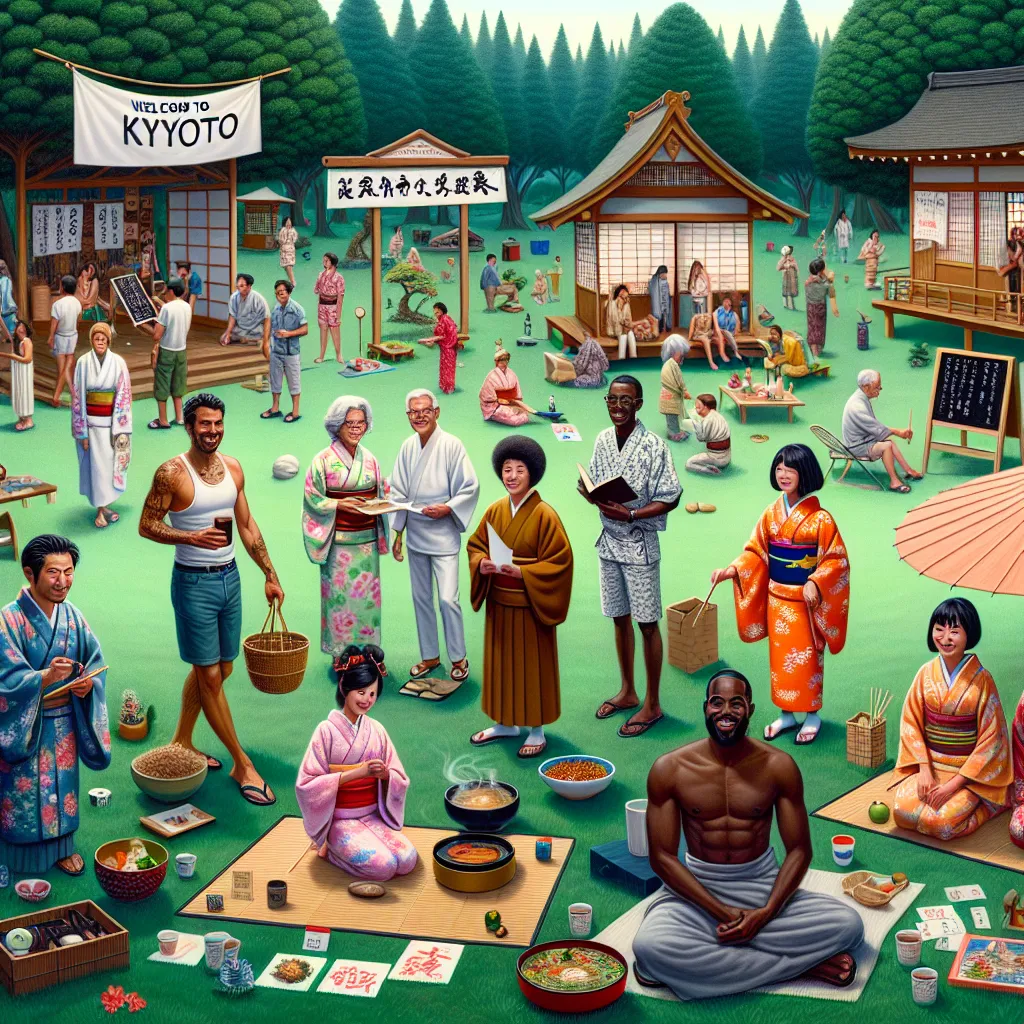
People want travel, but time and money hold them back. Enter: Culture Camps—a 3-day immersive experience designed to feel like a trip to another country, without the airfare. Hosted locally, each mini-camp replicates a region’s traditions with authentic instructors: Moroccan desert tents with mint tea ceremonies, Brazilian samba and feijoada, or Japanese forest bathing and calligraphy. With the adult camp trend booming and “cultural tourism” up 24% YoY, these short escapes provide novelty and connection without leaving the state. Example: Camp Kyoto takes over a wooded retreat in Northern California and transforms it into a full Japanese cultural immersion—guests remove shoes, wear yukata, eat Kaiseki, and learn tea ceremony from a trained host. It’s experiential travel, without a passport.
Description
No additional description provided.
The Pitch
In today's fast-paced world, people are increasingly eager to explore new cultures but often find themselves constrained by time and financial resources. Many yearn for the enriching experience of travel but struggle to fit lengthy, expensive trips into their schedules. Recognizing this gap, Culture Camps has emerged as an innovative solution—providing a three-day immersive experience that captures the essence of traveling to a foreign country without the need for international travel.
Culture Camps aims to bring the world to your doorstep. These mini-camps, hosted in local settings, recreate the ambiance and traditions of various regions around the world. For example, participants might find themselves in a Moroccan desert setting, indulging in traditional mint tea ceremonies, or partaking in the vibrant art of Brazilian samba while savoring authentic feijoada. Alternatively, they could experience the tranquility of Japanese forest bathing paired with lessons in calligraphy.
The rising popularity of adult camps combined with a significant 24% year-on-year increase in cultural tourism highlights a growing desire for unique, localized cultural experiences. Culture Camps addresses this demand by offering short, enriching getaways that provide both novelty and community engagement without necessitating out-of-state travel.
Take Camp Kyoto, for instance. By transforming a secluded retreat in Northern California, it offers a comprehensive Japanese cultural immersion. Guests are encouraged to fully engage with the experience—removing their shoes upon arrival, donning traditional yukata, enjoying multi-course Kaiseki meals, and participating in a tea ceremony led by a skilled host.
To make launching this as a Minimum Viable Product straightforward, tools such as event management software, local partnerships with cultural organizations, and social media platforms can be leveraged. Collaborating with local artisans and cultural experts can enhance authenticity, while digital marketing can attract potential participants.
The go-to-market strategy involves targeting cultural enthusiasts and adults seeking unique, weekend experiences. Initial marketing efforts can focus on social media presence, collaborations with local influencers, and partnerships with cultural institutions.
The business model for Culture Camps relies on a mix of participation fees, premium add-ons (such as private workshops or guided experiences), and potential sponsorships from brands looking to align with cultural and experiential offerings. This model not only ensures a sustainable revenue stream but also opens avenues for growth through diversified offerings and expanded camp themes.
By providing a pathway for individuals to experience the world’s cultures locally, Culture Camps not only satiates wanderlust but also nurtures an enriched understanding and appreciation of global traditions—all without the need for a passport.