Crowdsourced Experiments: Entertaining Science Questions Platform
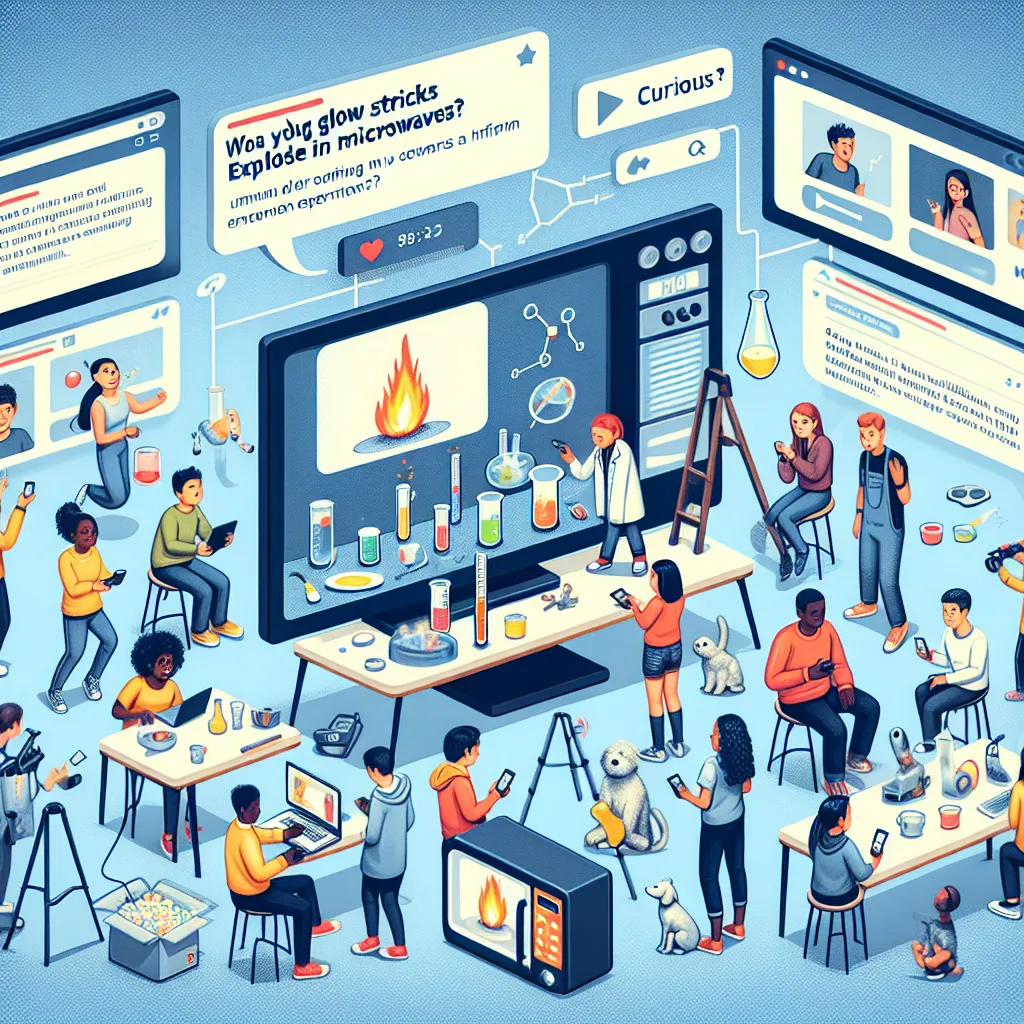
There’s a growing demand for participatory science content that’s as entertaining as it is informative. This idea proposes a platform where anyone can submit curious or quirky product-based questions ("Do glow sticks explode in microwaves?"), and others can post video responses testing them. The result is a decentralized, Reddit-style Mythbusters ecosystem powered by crowd-sourced video experiments. As questions gain popularity, compilations and themed content emerge. It caters to a culture of everyday experimentation, especially among Gen Z and TikTok-era creators.
Description
No additional description provided.
The Pitch
There is an increasing interest in science content that engages audiences through interactive and participatory methods. The age of social media and platforms like TikTok have fostered a culture where users seek out content that is not only informative but also engaging and entertaining. This interest is particularly strong among Gen Z, who values experiences that they can actively engage with rather than passively consume.
The Challenge: Traditional science content often lacks the interactivity that modern audiences crave. Viewers are no longer satisfied with just watching educational videos; they want to feel as though they are a part of the process, contributing to the discourse and experimentation in some way. The challenge is to create a platform that maintains high scientific integrity while also being entertaining and interactive, allowing users to both ask questions and offer answers through real-world experimentation.
The Solution: A new platform is proposed where users can post intriguing, product-based questions such as What happens if you microwave glow sticks? Other users can respond with video content documenting their experiments and findings. This platform would function akin to a Reddit-style community for science experiments, fostering a decentralized approach to myth-busting. As particular questions gain traction, they can be curated into compilations or themed content, allowing for deeper exploration and understanding of the science behind the queries.
Product Details: The platform will feature a user-friendly interface where people can post questions and video responses. Key features include:
- A voting system to prioritize popular questions and high-quality responses. - Tools for users to edit and annotate videos, providing scientific context and analysis. - Community guidelines emphasizing safety and scientific integrity. - Categories and tags to help users find content that aligns with their interests. - Option for collaborations, where users can team up to answer more complex questions.
Tools for MVP: To quickly bring this platform to market, consider leveraging existing technologies and frameworks. Tools such as WordPress or Drupal can be used for building the core website. Video hosting can initially be managed through platforms like YouTube or Vimeo, using their APIs for seamless integration. Mobile-friendly designs are essential, so using frameworks like React Native for app development can ensure broad accessibility. For voting and community features, plugins or custom code can be developed to manage these interactions.
Go-To-Market Strategy: To effectively launch this platform, it is important to focus on engaging content creation and community building.
- Collaborate with popular science influencers and content creators to generate initial interest and content. - Implement targeted advertising on platforms like Instagram, TikTok, and YouTube, where the target audience is most active. - Organize virtual events or challenges, inviting users to participate and share their experiments. - Leverage user-generated content by highlighting top contributors and featuring popular experiments in weekly newsletters or special compilations.
Business Model: The platform can operate on a freemium model, where basic access is free, but premium features are available through subscription. These features might include advanced video editing tools, ad-free browsing, and exclusive content. Additional revenue can be generated through strategic ad placements, sponsorship deals with educational brands, and possibly crowdfunding initiatives for large-scale experiments. A marketplace for experiment kits or scientific tools could also be introduced, providing users with the means to conduct safe and meaningful experiments at home.
By addressing the demand for interactive science content, this platform has the potential to not only educate but also entertain, empowering users to engage in scientific discovery in a dynamic and participatory environment.