CRISPR Shields: Multi-Target Virus Defense Strategy
Viruses like HIV or herpes hide in your body and fight back when treated. The problem is, they’re tricky and can mutate to escape. But what if we hit them in 10 places at once? A startup could use this new CRISPR tech to create “virus shields”—genetic edits that protect your cells by turning off all the virus’s tricks in one shot. Why now? Cas12a can hit multiple virus targets and host genes together. Imagine a one-time shot that helps your immune system stop HIV from ever taking hold. It’s like putting ten locks on every door the virus might try to sneak through.
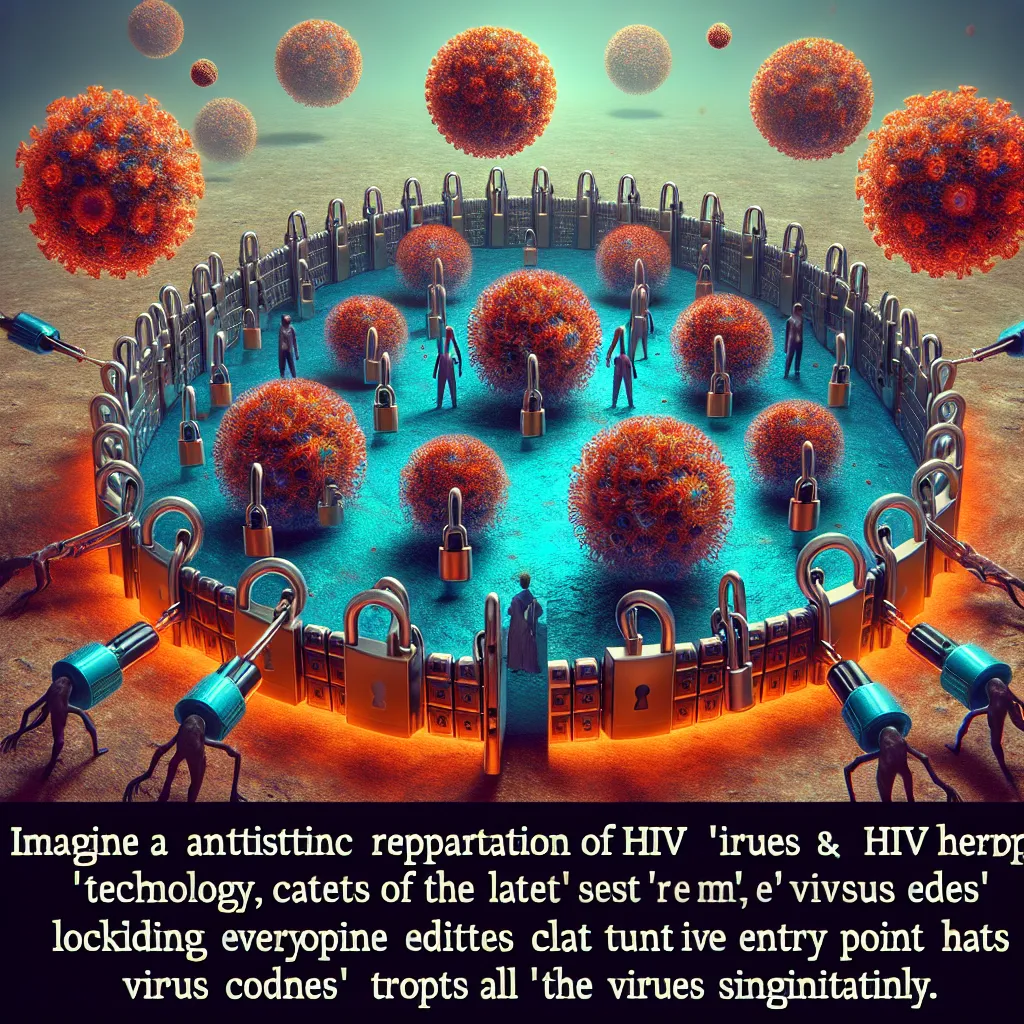
Description
No additional description provided.
The Pitch
Viral infections caused by HIV, herpes, and other persistent viruses represent a significant global health challenge. These viruses employ sophisticated mechanisms to evade and resist traditional treatments. They mutate rapidly, rendering many conventional antiviral medications less effective over time. Current therapeutic approaches typically target a single aspect of the virus or its lifecycle, giving the virus ample opportunity to adapt and survive. There is an urgent need for innovative solutions that can provide robust, long-lasting protection against these elusive pathogens.
Solution:
A groundbreaking opportunity exists in leveraging the latest advancements in CRISPR technology, particularly the Cas12a endonuclease. Cas12a's unique ability to simultaneously target multiple sites within viral genomes and host genes offers a powerful strategy for combating viral persistence and escape. This approach involves developing virus shields, a suite of genetic edits that can effectively neutralize the virus by disrupting multiple viral functions and pathways in one coordinated action. By attacking a virus at multiple points of vulnerability simultaneously, we could potentially render it incapable of developing resistance, offering a form of long-term protection against infection.
Product Details:
The proposed solution involves engineering a CRISPR-based therapeutic system that uses Cas12a to target key functional and structural components of viral genomes and host cell receptors exploited by the virus. This product would be delivered as a single treatment, akin to an advanced vaccine, intended to confer lasting immunity by bolstering the body's own defenses.
Key features of this product would include: 1. Multi-target viral genome editing: Simultaneous disruption of several viral genes critical for viral entry, replication, and immune evasion. 2. Host cell protection: Editing host cell genes that are hijacked by the virus to prevent its replication and spread. 3. Customizable and scalable: Ability to modify and expand the CRISPR targets to adapt to emerging viral variants and different viruses.
Implementation with Tools:
Developing this technology into a viable product involves several key steps:
1. Research and Development: Utilize CRISPR design tools to identify target sequences specific to the virus and host genes. 2. In vitro Testing: Validate the efficacy of the CRISPR system in cell models using tools like fluorescence imaging and genome sequencing. 3. In vivo Trials: Partner with biotech firms specializing in gene therapy for preclinical and clinical trials. 4. Regulatory Compliance: Work with regulatory bodies early in the development process to ensure proper adherence to safety and efficacy standards.
Go-to-Market Strategy:
1. Partnerships: Collaborate with research institutions, hospitals, and public health organizations to establish credibility and access resources. 2. Licensing and Collaboration: Engage pharmaceutical companies for licensing agreements to accelerate distribution. 3. Awareness Campaigns: Educate healthcare professionals and potential patients on the benefits and safety of CRISPR-based treatments. 4. Phased Market Entry: Begin with markets facing the most significant burden of viral diseases, gradually expanding as more data becomes available.
Business Model:
The core business model would focus on: 1. Licensing and Partnerships: Generating revenue through licensing agreements and strategic partnerships with larger pharmaceutical entities. 2. Tiered Pricing: Implementing a pricing strategy that considers different market needs and healthcare budgets to increase accessibility. 3. Subscription Model for Updates: Offering updated CRISPR designs and maintenance for evolving viral strains through a subscription service.
In conclusion, by harnessing the cutting-edge capabilities of the Cas12a CRISPR system, this initiative aims to transform the management of viral infections, offering hope for a future where viruses like HIV and herpes can be defeated in innovative and comprehensive ways.