Convenient Mobile Fuel Delivery to Your Doorstep
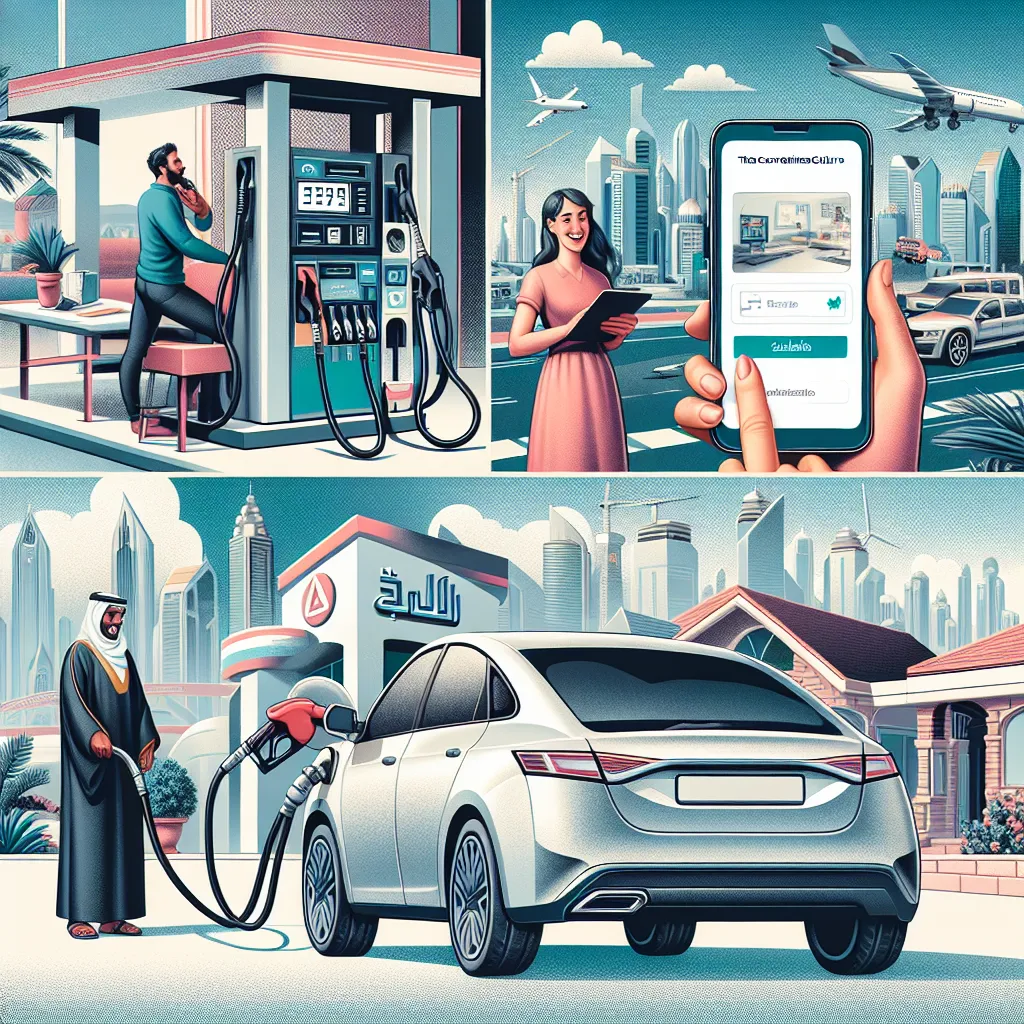
People will pay not to do things they hate — and few chores rank lower than pumping gas. Mobile fuel delivery brings the gas station to your driveway or office. Customers subscribe monthly, pay a 20% markup, and never stop for gas again. Drivers earn recurring income; operators earn predictable cash flow with nearly zero churn. It’s DoorDash meets Chevron. The concept is already thriving in Dubai and creeping into U.S. cities, fueled by the same convenience culture that normalized grocery and laundry pickup. Once you try it, you never go back.
Description
No additional description provided.
The Pitch
The concept of convenience has redefined consumer expectations across various industries. From food delivery services to grocery shopping, the shift towards on-demand solutions has been significant. A particularly challenging task for many is refueling vehicles—an activity that not only consumes time but is often dreaded by consumers. Enter mobile fuel delivery, an innovative solution poised to transform the refueling experience.
Backstory: The idea of mobile fuel delivery originated from the increasing demand for convenience. In bustling urban settings and even in quieter suburban areas, individuals are constantly searching for ways to optimize and simplify daily tasks. Observing the success of on-demand services for food, groceries, and other necessities, entrepreneurs identified a gap in the market: refueling vehicles without the need for a traditional gas station visit.
Problem: Stopping at a gas station involves navigating traffic, finding a suitable location, and waiting in line—all of which add stress and consume valuable time for vehicle owners. Additionally, traditional fuel stations cannot always cater to the needs of large fleets or individuals with restrictive schedules. For businesses with extensive vehicle operations, the downtime associated with refueling translates into lost productivity.
Solution: Mobile fuel delivery provides a seamless and efficient service where fuel is delivered directly to the customer's location, whether it be their home, office, or fleet parking area. This service eliminates the need for customers to make inconvenient detours to gas stations, offering a significant improvement in terms of time management and convenience.
Product Details: The mobile fuel delivery service operates through a user-friendly mobile application. Customers can schedule regular deliveries or request on-demand refueling. The application provides real-time updates on delivery status, payment options, and customer support.
1. Subscription Model: Customers subscribe to a monthly plan, benefiting from scheduled deliveries and potentially lower per-delivery costs. 2. Pay-As-You-Go Option: For those who prefer flexibility, a pay-as-you-go option allows for single deliveries with a straightforward 20% markup on the current market rate of fuel. 3. Fleet Solutions: Customized plans are available for businesses with multiple vehicles, offering bulk discounts and tailored delivery schedules.
Tools for Launching an MVP: 1. Mobile App Development: Tools like Flutter or React Native facilitate the creation of cross-platform applications efficiently. 2. Payment Processing: Integrate with payment gateways like Stripe or PayPal for seamless transactions. 3. Route Optimization Software: Implement logistics software to efficiently plan delivery routes and minimize downtime. 4. Customer Feedback Systems: Tools like SurveyMonkey or Typeform can gather user feedback for continuous improvement.
GTM Strategy: 1. Targeted Launch: Begin in areas with high vehicle density and a customer base inclined towards tech adoption and convenience. 2. Partnerships: Collaborate with large employers, residential complexes, and ride-sharing services to secure initial customers. 3. Marketing Campaign: Leverage digital marketing, including social media ads, search engine optimization, and influencer partnerships, to reach the tech-savvy audience. 4. Referral Programs: Encourage word-of-mouth through customer incentives for referrals.
Business Model: 1. Revenue Streams: Monthly subscription fees, service fees from pay-as-you-go deliveries, and premium charges for on-demand services. 2. Cost Structure: Fuel purchase costs, delivery vehicle maintenance, technology development, and marketing expenses. 3. Growth and Scalability: Expand service areas gradually based on demand, and reinvest profits to enhance technological capabilities and increase delivery fleet size.
Conclusion: Mobile fuel delivery is set to revolutionize the way individuals and businesses approach vehicle refueling by offering unmatched convenience. By removing one of life's tedious tasks, the service promises to deliver value through time savings and enhanced customer experience. With a robust plan for market entry and a scalable business model, this innovation holds the potential to reshape the landscape of vehicle fuel logistics.