Continuous Patient History Layer for Healthcare
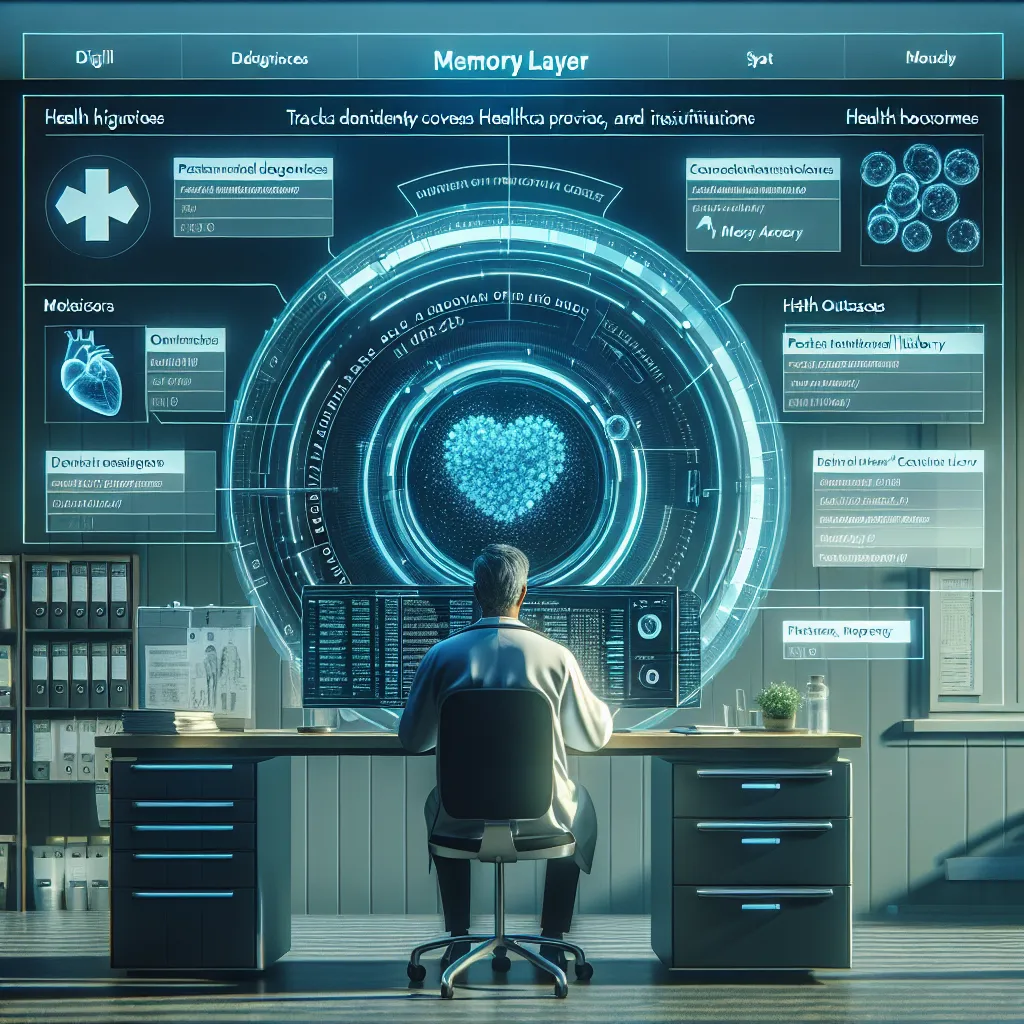
Doctors lose patient context every visit. This startup creates a longitudinal “memory layer” for clinicians that persists across visits, providers, and institutions — summarizing patient history, decisions, and outcomes as a living model. Why now: transcription solved input, but memory and continuity remain broken. Example: a physician opens a patient file and instantly sees a narrative understanding, not raw records.
Description
No additional description provided.
The Pitch
In the fast-paced world of healthcare, maintaining continuity and context in patient care is crucial. Despite advancements in medical technology, clinicians often face challenges in retaining comprehensive and detailed patient histories across multiple visits, providers, and institutions. This document explores a novel solution aimed at addressing this issue, providing a seamless experience that enhances decision-making and overall patient care.
Backstory: The modern healthcare system experiences frequent patient transfers between various specialists and institutions. Each transfer risks losing vital context about a patient's medical history, treatment decisions, and outcomes. This fragmentation often results in repeated tests, misdiagnosis, and a diminished quality of care. While electronic health records (EHRs) have streamlined data entry, they still present information in disjointed fragments, offering little narrative coherence. The pressing need for an interconnected memory layer in EHRs has become more evident than ever.
Problem: Despite transcription solutions improving data input, the problem of fragmented patient context persists. Clinicians are left to navigate extensive, often overwhelming records to piece together a patient’s medical narrative. This inefficiency not only wastes time but can lead to errors in diagnosis and treatment. Current EHR systems lack the capability to transform raw medical records into coherent, ongoing narratives that provide a comprehensive view of a patient's medical journey.
Solution: Introducing a longitudinal memory system that integrates seamlessly with existing EHRs to create a continuous narrative of patient care. This system synthesizes patient history, medical decisions, and outcomes into a cohesive, living document that evolves with each patient visit. By providing a narrative understanding instead of isolated data points, clinicians can quickly grasp patient history, improving diagnostic accuracy and treatment efficacy.
Product Details: - A software solution that integrates with existing EHR platforms. - Utilizes natural language processing and machine learning to summarize and synthesize patient data into a coherent narrative. - Automatically updates with each patient interaction, ensuring the narrative is current and comprehensive. - Offers a user-friendly interface for quick narrative access, saving clinicians valuable time. - Includes secure, cloud-based storage compliant with healthcare regulations.
Tools for Easy Launch: - An integration toolkit for seamless connection with diverse EHR systems. - APIs for real-time data updates and narrative generation. - A robust analytics dashboard for user feedback and system improvements. - Comprehensive user manuals and customer support for onboarding and troubleshooting.
GTM Strategy: 1. Market Research: Conduct in-depth research to understand the needs and pain points of healthcare providers, tailoring the product accordingly. 2. Strategic Partnerships: Collaborate with major EHR companies to facilitate integration and broaden market reach. 3. Pilot Programs: Initiate pilot programs in hospitals and clinics to demonstrate effectiveness and gather testimonials. 4. Marketing Campaign: Leverage digital marketing, webinars, and medical conferences to raise awareness and showcase benefits to stakeholders. 5. Customer Support: Establish a dedicated support team to assist with onboarding and resolve issues promptly.
Business Model: - Subscription-based model: Offer tiered pricing plans to cater to varying practice sizes and needs. - Licensing fees: Charge EHR companies a licensing fee for integrating and offering the memory system to their clients. - Freemium model: Provide a basic version for free to attract new users, with premium features available at a cost. - Data insights: Generate anonymized data insights for healthcare research and innovation, offering these reports as an additional revenue stream.
Conclusion: By addressing the gaps in continuity and narrative understanding within the healthcare system, this longitudinal memory system promises not only to enhance patient care but also streamline clinicians' workflow. As healthcare moves towards more integrated and patient-centered solutions, now is the perfect time to launch a product that bridges the gaps left by existing systems. This initiative represents a significant step forward in ensuring that every patient receives informed, personalized care across all stages of their medical journey.