Contextual Home Brain: The Future of Smart Living
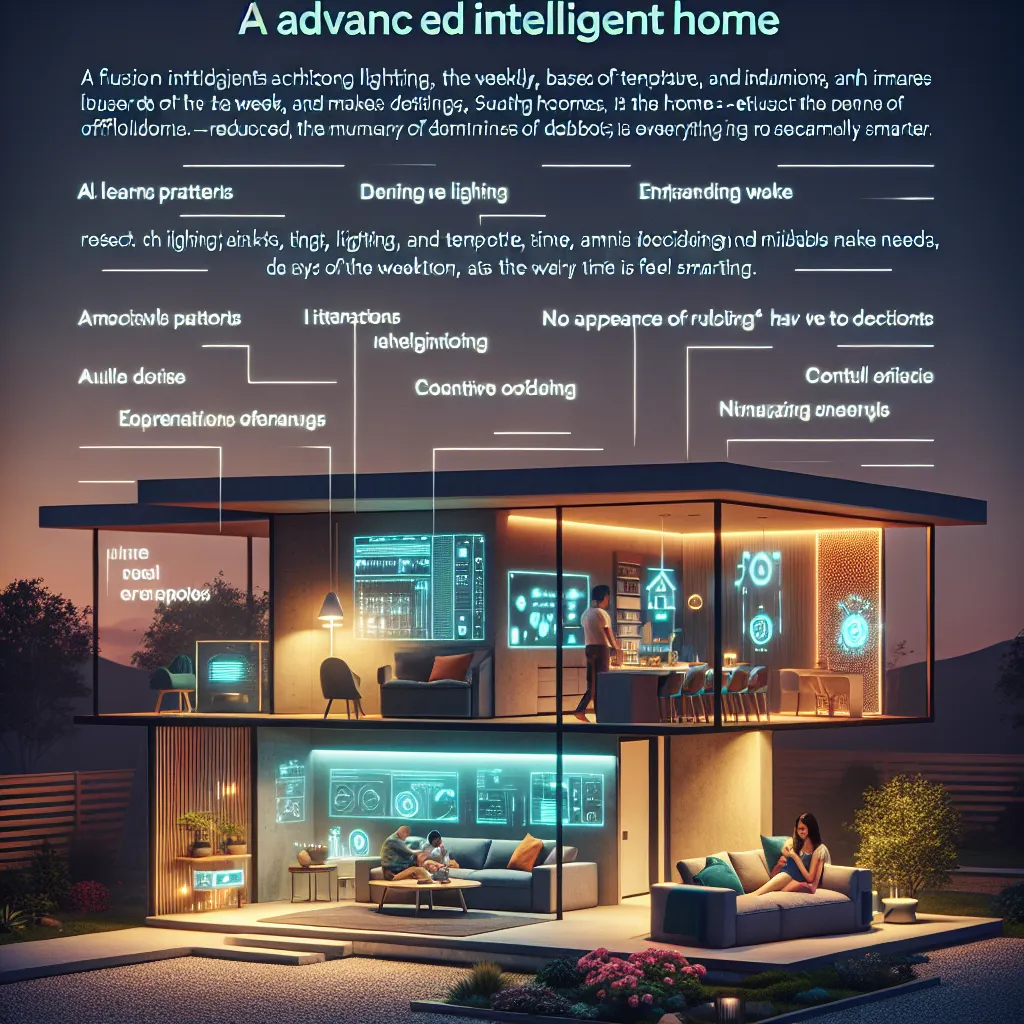
Smart homes failed not because of hardware, but because they never understood intent. We automated light switches without understanding why the light was turned on. As AI improves, the gap becomes obvious: homes should reason, not react. What should exist is a contextual home brain that fuses sensors, schedules, emotional signals, and habits into a living model of the household. Not “if motion then light,” but “it’s Sunday evening, the kids are restless, and tomorrow’s early—lower stimulation.” Imagine a home that learns tension before arguments, adjusts environments during sickness, and quietly optimizes energy without dashboards. The real promise of smart homes isn’t convenience—it’s cognitive offloading. A house that reduces decisions instead of adding apps is the first home that actually feels smart.
Description
No additional description provided.
The Pitch
The concept of smart homes has been around for years, promising a future where our living spaces adapt to our needs seamlessly. Yet, despite advances in technology, true smart homes remain elusive. Initially, advancements focused on automating basic tasks like controlling lights and thermostats, but these innovations often lacked an understanding of human intent and context. Automation centered on simple cause-and-effect relationships, failing to capture the nuanced reasons behind our actions.
**The Problem:**
Existing smart home technologies primarily focus on automating tasks based on predefined triggers. This approach misses the bigger picture, as homes continue to operate without genuine insight into the habits, emotions, and schedules of their inhabitants. This lack of contextual intelligence means that smart homes often add complexity with numerous apps and interfaces, rather than simplifying life. As a result, the promise of reducing cognitive load and enhancing human well-being remains unfulfilled.
**The Solution:**
To realize the full potential of smart homes, there needs to be a paradigm shift from reactive systems to proactive environments. The key is a contextual home brain—a system that fuses data from various sources such as sensors, schedules, emotional signals, and household habits to create a dynamic, living model of the home environment. This would allow the system to not just respond to immediate triggers, but to understand and anticipate the broader context of its occupants' lives.
**Product Details:**
The proposed solution is a holistic home intelligence platform that integrates with existing smart devices while introducing advanced AI capabilities. Key features include:
- **Contextual Intelligence:** Using machine learning algorithms, the system continuously learns from inhabitants' behaviors, preferences, and emotional states, allowing it to make informed adjustments automatically.
- **Proactive Environment Management:** The platform can anticipate needs before they arise, such as lowering stimulation when family stress levels are detected or subtly adjusting lighting and temperature to suit mood and time of day.
- **Health and Well-being Monitoring:** By integrating health data, the system optimizes environmental factors conducive to recovery or relaxation during illness.
- **Energy Optimization:** Continually analyzes energy usage patterns to implement efficient consumption strategies without requiring manual adjustments or dashboard interactions.
**Tools for MVP Launch:**
To bring this vision to life as a Minimum Viable Product, consider utilizing:
- **IoT Device Integration Platforms:** Such as OpenHAB or Home Assistant, which support a wide range of smart devices and sensors.
- **AI and Machine Learning Frameworks:** Google TensorFlow or Microsoft Azure AI can be leveraged for building predictive models that enhance contextual understanding.
- **Cloud Infrastructure:** Platforms like AWS or Google Cloud to ensure scalability, data processing, and storage capabilities.
**Go-to-Market Strategy:**
- **Early Adopter Collaboration:** Partner with tech-savvy consumers or smart home enthusiasts to gather feedback and iteratively improve the system based on real-world usage.
- **Strategic Partnerships:** Collaborate with manufacturers of smart devices and IoT sensors to ensure seamless integration and broaden market reach.
- **Targeted Marketing:** Emphasize the unique value proposition of reducing cognitive load and enhancing well-being through personalized experiences.
- **Demonstrations and Workshops:** Host events to showcase the system's capabilities, encouraging hands-on engagement and fostering community interest.
**Business Model:**
- **Subscription-based Service:** Offer tiered subscriptions with different levels of customization, data analytics, and customer support.
- **Hardware Partnerships:** Generate revenue through co-branded hardware solutions with IoT device partners.
- **Data-Driven Insights:** Provide anonymized insights and analytics to partners for research and development purposes, respecting user privacy and consent.
By focusing on context and intention, this approach aims to transform smart homes from mere automata into genuinely intelligent living companions, enhancing the quality of life for their inhabitants.