Connecting Brands with Idle Manufacturing Capacity
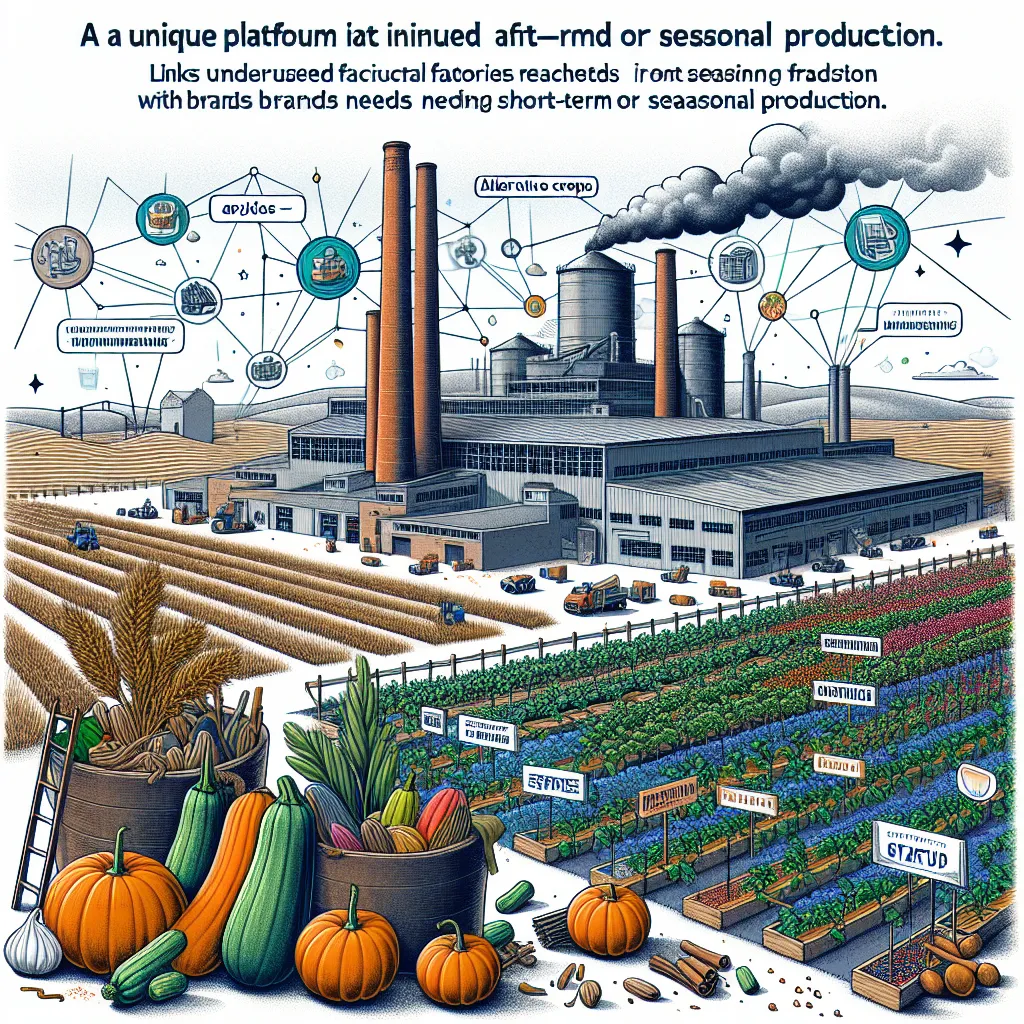
Many agricultural and food factories sit idle outside their core harvest or production windows, wasting fixed overhead and capital investment. At the same time, emerging CPG brands struggle to find co-packers willing to take small-batch or seasonal runs, especially when launching new SKUs. This platform connects underutilized factories with brands needing short-run or seasonal production, converting downtime into revenue. Inspired by John Bragg turning a blueberry factory into an onion ring plant during a bad crop year, this model creates a win-win: idle infrastructure earns, and startups avoid high MOQs. Think of it as Airbnb for food-grade manufacturing space—monetizing the off-season with flexible, low-commitment capacity. For example, a fruit processor in Oregon could produce frozen zucchini fritters for a health snack startup during its off months.
Description
No additional description provided.
The Pitch
In the agricultural and food production industries, many factories face a common challenge: significant downtime outside their core harvest or production windows. This idle period results in wasted fixed overhead and underutilized capital investments. Concurrently, emerging Consumer Packaged Goods (CPG) brands often struggle to find co-packers willing to accommodate small-batch or seasonal production runs, especially when launching new stock keeping units (SKUs). To address these issues, this innovative platform connects underutilized factories with brands in need of short-run or seasonal production capabilities.
Backstory:
The concept for this platform drew inspiration from John Bragg, who demonstrated resourceful adaptability by transforming a blueberry processing facility into an onion ring production plant during a suboptimal crop year. His story highlights the flexibility and potential of re-purposing idle infrastructure, thereby converting downtime into revenue.
Problem:
1. Underutilized Factories: Agricultural and food factories frequently sit idle outside their peak production periods, leading to inefficiencies and lost revenue opportunities. 2. Challenges for Emerging Brands: Startups and small-scale CPG brands find it difficult to secure co-packers for minor production runs due to traditionally high minimum order quantities (MOQs). This barrier often hinders product launches and scale testing.
Solution:
This platform acts as a matchmaking service, akin to Airbnb but for food-grade manufacturing facilities. It allows factories to monetize off-season capacity by providing flexible, low-commitment manufacturing space. This win-win model benefits both parties: facilities generate additional income while startups reduce their risk and costs associated with high MOQs.
Product Details:
1. Platform Interface: An intuitive, user-friendly interface where factory owners can list their available infrastructure and production capabilities. CPG brands can browse and book these facilities suited to their production needs.
2. Flexible Terms: The platform accommodates short-run, small-batch, and seasonal production, offering a solution that aligns with the variable demands of CPG startups.
3. Verification System: Ensures all listed facilities adhere to food safety standards and regulatory compliance.
4. Payment and Insurance: Streamlined payment processing and optional insurance coverage for peace of mind for both parties.
Tools for MVP Launch:
1. Website and App Development: Use no-code or low-code platforms like Bubble or Webflow to swiftly create a responsive platform.
2. Database Solutions: Implement cloud-based database services such as Firebase or Airtable for managing listings and bookings.
3. User Authentication: Integrate authentication services like Auth0 to provide secure access and data protection.
GTM Strategy:
1. Initial Targeting: Focus on networking with agricultural cooperatives and CPG industry groups to build awareness among potential users.
2. Partnerships: Form alliances with industry associations to enhance credibility and reach.
3. Content Marketing: Develop case studies and educational content highlighting successful matches and benefits to both factory partners and CPG brands.
4. Online Advertising: Utilize targeted advertising on platforms such as LinkedIn and Google Ads to attract the right audience.
Business Model:
1. Commission-based Revenue: Charge a percentage fee for each successful booking or match made through the platform.
2. Subscription Plans: Offer tiered subscription plans for premium listing features or increased visibility.
3. Value-added Services: Provide additional services like insurance, logistics, and supply chain consultancy for an extra fee.
By facilitating the connection between underutilized factories and emerging CPG brands, this platform not only generates new revenue streams for manufacturers but also empowers startup brands to innovate and scale without traditional barriers.