Concept Art to 3D Assets Automation Platform
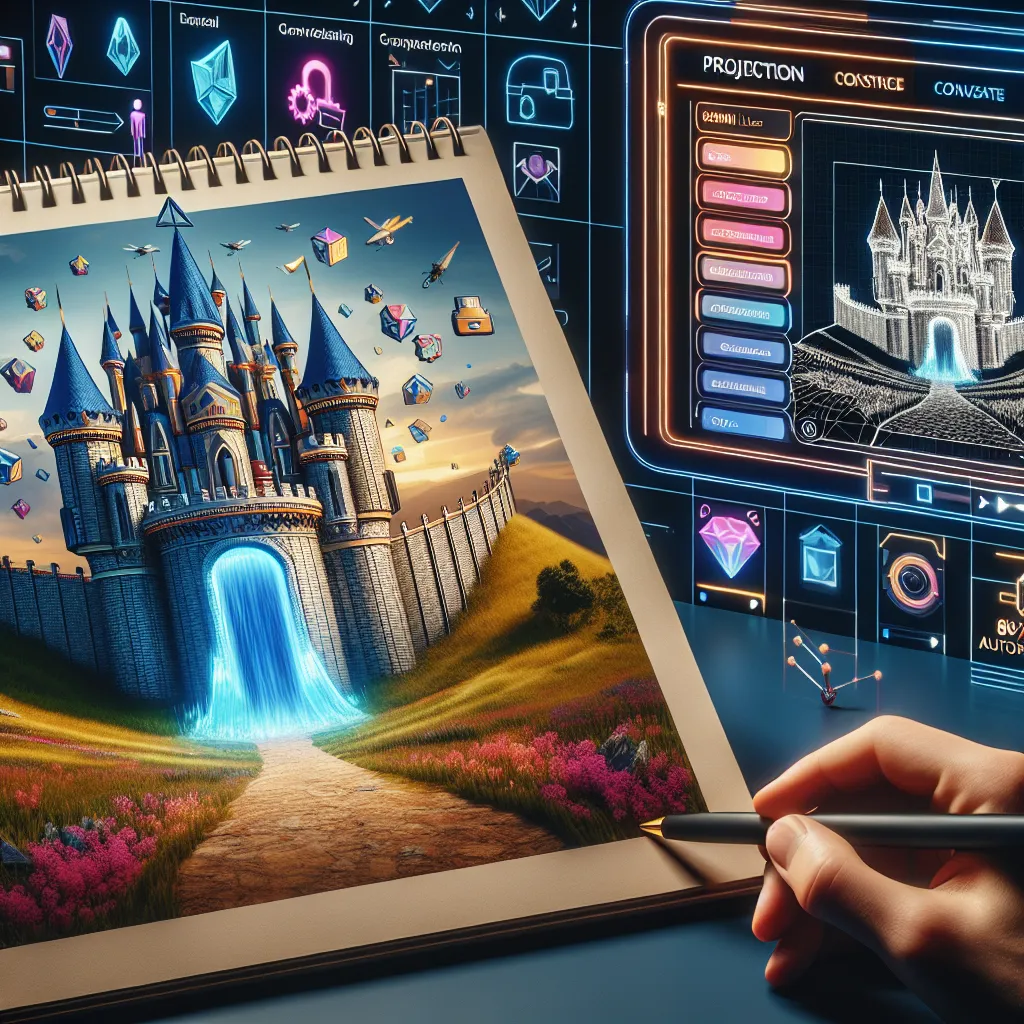
A platform that turns concept art into complete 3D game-ready assets. $50K/month license. The game industry spends billions on asset creation that could be 80% automated.
Description
No additional description provided.
The Pitch
In the rapidly evolving gaming industry, the demand for high-quality 3D assets is increasing exponentially. Developers from small indie teams to large gaming studios spend a significant amount of time and resources creating detailed game assets. This document outlines a novel platform designed to streamline this process by automating the creation of game-ready 3D assets from concept art.
Backstory
The gaming industry has always been at the forefront of technological advancements, leveraging cutting-edge software to meet consumer demands for visually stunning and immersive experiences. Currently, the asset creation phase is one of the most resource-intensive parts of game development, involving skilled artists and significant man-hours. Recognizing the opportunity to revolutionize this aspect, the idea was born to create an automated platform that can assist developers by reducing the time and cost associated with this phase.
Problem
Creating 3D assets for games is a complex, time-consuming, and costly process. It involves multiple stages including conceptualization, modeling, texturing, and rigging. Each step requires specialized skills and tools, leading to increased development time and escalating costs. In an industry that is incredibly time-sensitive, these delays can lead to missed opportunities and can affect the overall profitability and success of gaming projects.
Solution
Our platform proposes an innovative solution that automates the conversion of 2D concept art into 3D game-ready assets. By integrating advanced AI and machine learning algorithms, the platform can interpret concept art to generate detailed 3D models. These models are then automatically textured, rigged, and optimized for use in game engines, drastically cutting down the development time and reducing reliance on extensive human input.
Product Details
- **Core Functionality**: Upload concept art and receive a fully rigged, textured, and optimized 3D model ready for import into game engines such as Unreal Engine or Unity. - **Technology**: Utilizes AI deep learning algorithms for image recognition, 3D modeling, and texturing techniques. The platform supports various art styles and complexities. - **User Interface**: Simple, intuitive web-based interface where users can upload images, specify parameters and download finished assets. - **Integration**: Easy integration with popular game development environments and support for multiple file formats (FBX, OBJ, etc.). - **Customization**: Options to fine-tune models to ensure alignment with the original artistic vision and game-specific requirements.
Tools for MVP Development
- **Cloud Services**: AWS or Google Cloud for hosting services and storage. - **AI Frameworks**: TensorFlow or PyTorch for building and training AI models. - **3D Software SDKs**: Blender SDK for automating modeling processes. - **Web Development Tools**: React for front-end development, Node.js for backend.
Go-to-Market Strategy
1. **Beta Testing**: Launch a closed beta with indie game developers and small studios to gather feedback and demonstrate proof of concept. 2. **Industry Partnerships**: Collaborate with game engine providers and digital asset stores to integrate our service. 3. **Content Marketing**: Produce case studies, tutorials, and demos showcasing the capabilities and benefits of the platform. 4. **Pricing Strategy**: Introduce a tiered subscription model, starting with a basic free version to attract users and an advanced version priced at $50K/month for larger studios.
Business Model
The platform will operate on a subscription-based model with multiple tiers to cater to different needs and capacities: - **Free Tier**: Limited features for small projects and individual developers. - **Pro Tier ($50K/month)**: Full features access, designed for large game studios and extensive projects, offering bulk processing capabilities and premium support.
Conclusion
This platform aims to disrupt the traditional game asset creation workflow by offering an automated solution that saves time and costs, allowing game developers to focus more on creativity and gameplay. By capitalizing on cutting-edge AI technologies, this platform is set to become an essential tool in the game development industry.