Comprehensive At-Home Alzheimer's Risk Testing Kit
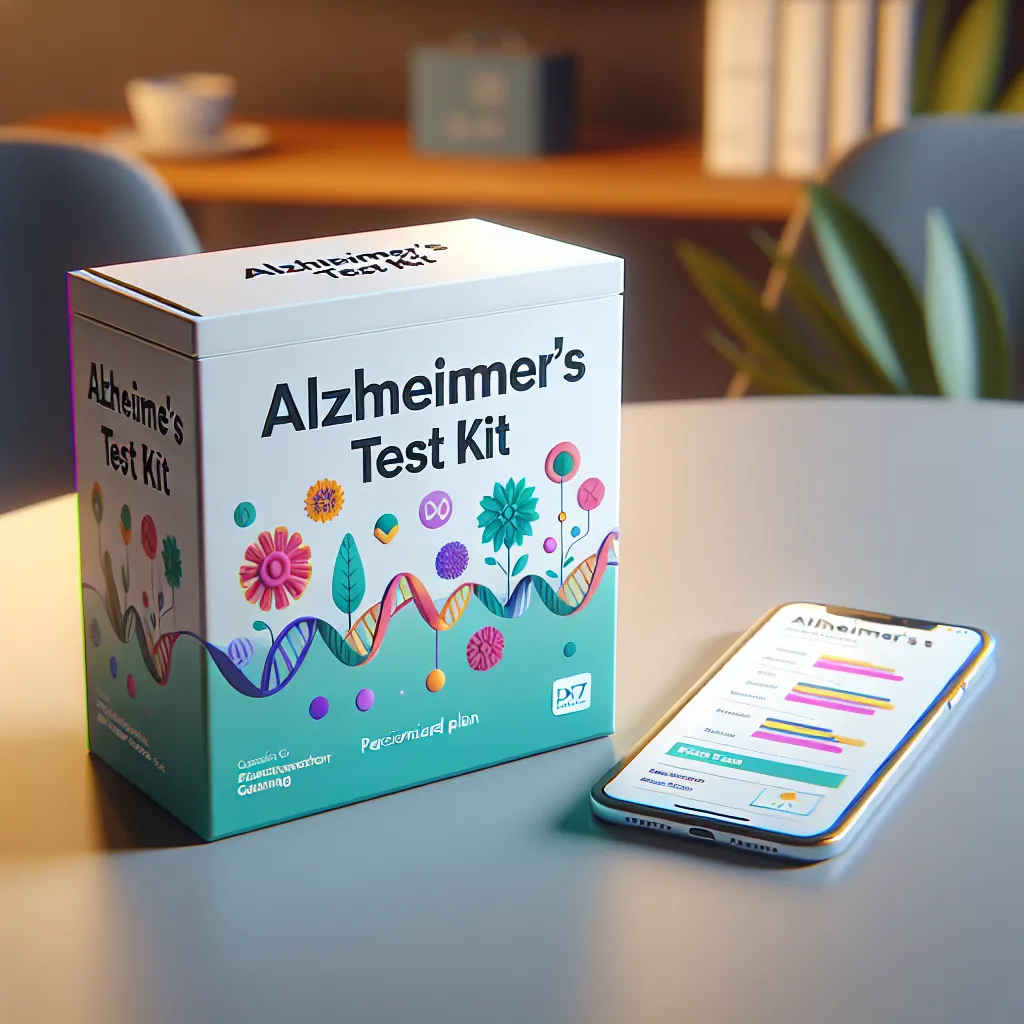
Most people only get tested for one Alzheimer’s gene, so they don’t see the full picture. Scientists just found another gene, ABCA7, that raises risk by hurting brain health. A new test could check for this gene and also look at simple blood markers to spot problems early. This works now because DNA tests and at-home blood kits are cheap and familiar, like 23andMe. Example: a subscription kit could mail results straight to your phone with a personalized plan to lower your risk years before symptoms show up.
Description
No additional description provided.
The Pitch
Understanding Alzheimer's risk is a significant concern for many individuals, especially those with a family history of the condition. Currently, most genetic testing for Alzheimer's focuses on a single gene, missing out on other potential genetic markers that could influence risk. Recent research has highlighted the importance of the ABCA7 gene, which has been associated with increased risk by impacting brain health. This underscores a gap in current testing methodologies, which often fail to provide a comprehensive overview of an individual's genetic predisposition to Alzheimer’s.
Addressing this gap presents an opportunity to create an innovative testing solution. The idea is to develop a new genetic test that not only identifies the presence of the ABCA7 gene but also includes an analysis of simple blood markers that could indicate brain health issues. By integrating these additional factors, individuals could receive a more holistic view of their Alzheimer's risk, allowing for early intervention and risk management.
The envisioned product is a subscription-based testing kit, designed for convenience and accessibility. Customers would receive the kit at home, use it to collect the necessary samples, and send it back for analysis. The results would be delivered directly to their smartphones, accompanied by a personalized report outlining their risk factors and actionable steps they can take to mitigate potential health risks. This could involve lifestyle recommendations, dietary changes, and other preventive measures tailored to the individual’s unique profile.
To streamline the development and launch of this product as a minimum viable product, leveraging existing technologies and partnerships is crucial. Utilizing established DNA testing platforms and at-home blood collection kits would reduce time and costs significantly. Companies like 23andMe have already familiarized many consumers with the process of genetic testing, making it easier to market a new, more comprehensive test.
The go-to-market strategy should focus on education and awareness. Collaborations with healthcare providers, Alzheimer’s research organizations, and targeted advertising campaigns could help reach potential customers. Digital marketing through platforms like social media and health-focused websites can also play a crucial role in spreading information about the new testing kit.
The business model centers on a subscription service, where users are regularly updated with new research findings and recommendations based on their genetic profile and any changes in observable health indicators. This not only ensures continued engagement but also opens avenues for upselling related health products and services, creating a sustained revenue stream.
In conclusion, the opportunity to better assess Alzheimer's risk by incorporating additional genetic markers and blood tests addresses a significant unmet need in the current testing landscape. By providing a comprehensive and easily accessible solution, this product could empower individuals with crucial information and preventive strategies, ultimately enhancing their quality of life as they age.