Composable Yield-Bearing Stablecoin Builder
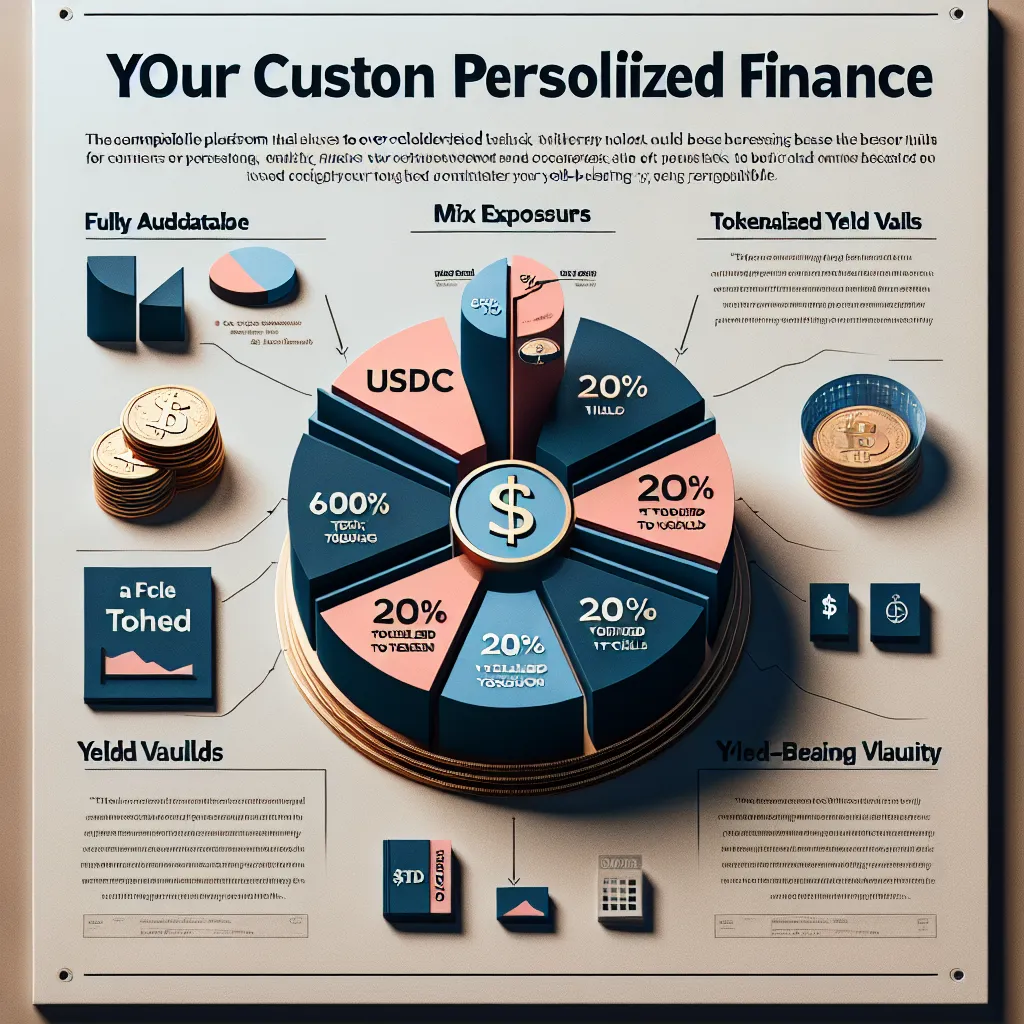
Stablecoins like USDC and USDT offer safety but no customization. On the other hand, newer assets like USDe and RWA-backed tokens offer yield but limited transparency. There’s no tool today that allows users—or fintechs—to design their own stablecoin yield stacks using transparent modules. A composable platform would allow users to mix exposures like 60% USDC, 20% tokenized T-bills, and 20% DeFi yield vaults into a single, overcollateralized yield-bearing stablecoin, fully auditable and redeemable at par. This unlocks personalized financial products that optimize for trust, yield, or liquidity depending on user needs. “what, besides stability and frictionless redemption at par, makes a stablecoin a good product? The issuer’s ability to create utility for and around their stablecoin.” A neobank, for example, could issue branded savings tokens for customers with custom risk settings, sharing yield without needing to manage collateral directly.
Description
No additional description provided.
The Pitch
Stablecoins like USDC and USDT present a reliable option in terms of stability, but they fall short on offering customization. Meanwhile, newer digital assets like USDe and real-world asset (RWA) backed tokens provide yield but with limited transparency. There is currently no solution available that allows individuals or fintech enterprises to build their own stablecoin yield stacks with transparent modules. A composable platform could revolutionize this space by enabling users to combine various exposures into a single, overcollateralized, yield-bearing stablecoin.
Such a platform would provide the user with the ability to mix and match exposures, for example, allocating 60 percent to USDC, 20 percent to tokenized T-bills, and 20 percent to decentralized finance (DeFi) yield vaults. The resultant stablecoin would be fully auditable and redeemable at par, opening doors to personalized financial products that are optimized for trust, yield, or liquidity based on individual preferences. The core question to consider is: what factors, besides stability and frictionless redemption at par, transform a stablecoin into a good product? The answer lies in the issuer’s ability to create utility around their stablecoin.
Consider a neobank looking to diversify its offerings; it could issue branded savings tokens for its customers, integrating custom risk settings and sharing yield without the need to manage collateral directly.
Building this Platform:
Backstory and Problem: In today’s rapidly changing financial landscape, the demand for customizable stablecoin products has been on the rise. Users and businesses alike wish for more control over how their digital assets are managed and grown. Traditional stablecoins offer safety but lack the flexibility needed for diverse financial landscapes. The emergence of assets with limited transparency and the lack of tools for users to create tailored yield approaches emphasize a growing gap in the market.
Solution: The proposed composable platform offers a revolutionary way for users to create stablecoins that suit their risk appetite and financial objectives. This is not merely another stablecoin but a flexible framework empowering users to leverage multiple financial instruments. By offering a mix of transparent modules, this platform addresses the need for customization while maintaining liquidity and security.
Product Details: The core products of this platform are yield-bearing digital assets customizable through various input options. The process involves selecting desired exposures such as USDC, tokenized treasury bills, or DeFi vaults. It’s designed to be user-friendly, providing an intuitive interface for both individuals and institutions to manage and audit their custom stablecoins. Transparency is ensured through comprehensive audits, giving users confidence that their digital assets are managed optimally.
Tools for MVP Launch: Launching a minimum viable product (MVP) for this platform involves leveraging existing blockchain technologies and financial protocols. Tools like Ethereum smart contracts for transparency, Chainlink for oracles to provide real-time financial data, and platforms like MetaMask for user interaction can streamline the initial phase. These tools will allow for the development of a robust, user-centric interface where early adopters can experiment with creating their stablecoin yield stacks.
Go-To-Market Strategy: The go-to-market strategy will focus on targeting specific communities with a high need for customizable financial solutions, such as emerging fintech startups, neobanks, and crypto-savvy individuals. Initiatives should include educational webinars to demystify the setup process and partnerships with influential fintech platforms to expand reach. Additionally, a phased approach deploying a beta version to gather insights and feedback before a full-scale launch can ensure a product-market fit.
Business Model: The business model rests on transaction fees and premium features. While base services could be free to attract a broad user base, premium features such as advanced risk assessment tools and priority transaction speeds could be offered at tiered pricing. The model could also include partnerships with banks and financial advisors, enhancing utility while creating additional revenue streams through collaboration.
By implementing this innovative platform, the financial landscape can be significantly enhanced, offering new layers of utility, choice, and trust to users around the world, thereby reshaping how stablecoins are perceived and utilized in today’s digital economy.