Community-Sourced AI Clones for Affordable SaaS
Many SaaS tools charge users high monthly fees for simple functionality, despite being easily replicable using AI tools like Bolt. The problem is that most non-technical users don’t realize they’re overpaying for tools that can be cloned and owned for pennies. This startup would launch a community-driven collective where members identify overpriced apps, rebuild them using no-code AI tools, and either resell them or share them as open-source utilities. Members would collaborate on selecting targets, share prompts and assets, and vote on builds. “He went to Bolt and just one shot said, ‘Make me a teleprompter app.’ And it did… and it cost basically two cents.” One member might replicate a $50/month project tracking app, enhance it with AI status summaries, and launch it as a $5/month alternative, with revenue shared across the community.
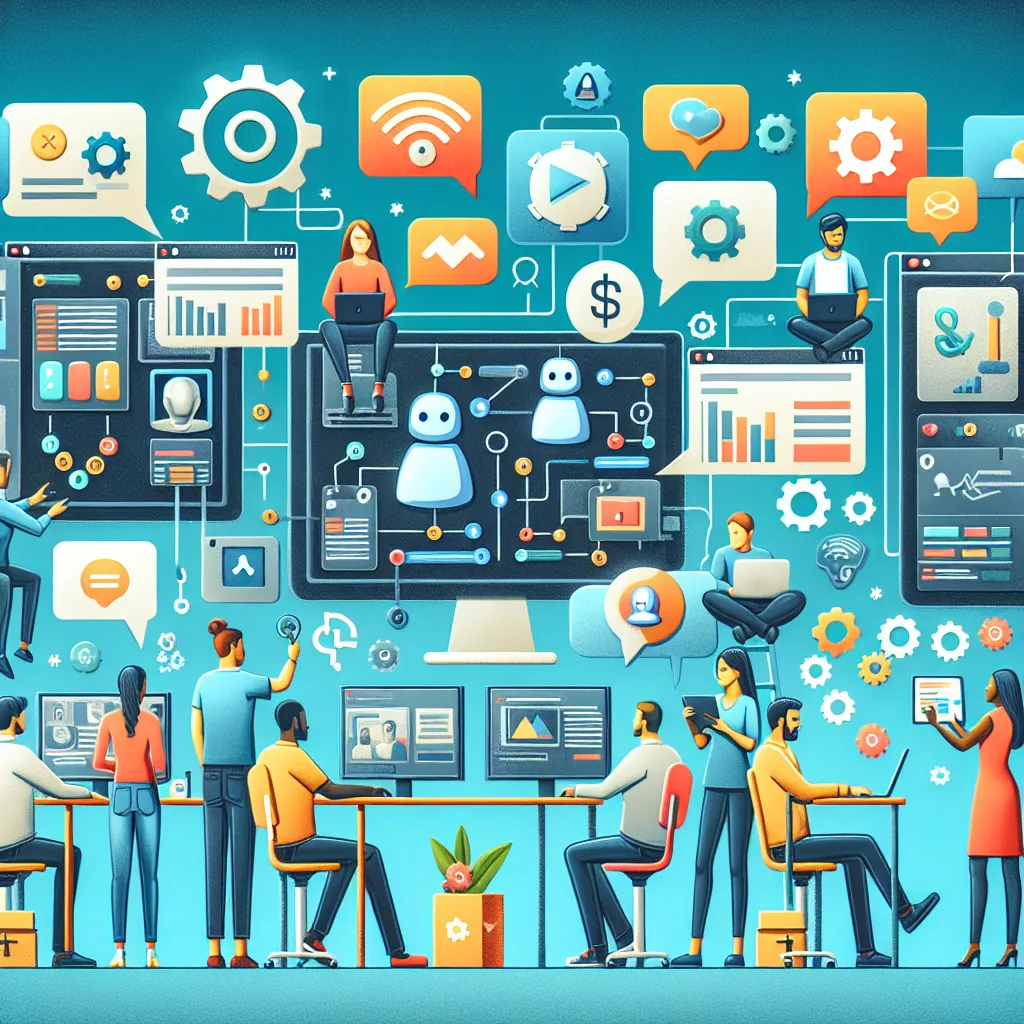
Description
No additional description provided.
The Pitch
Many users find themselves spending exorbitant amounts on Software as a Service tools that offer basic functions. With the advent of AI-driven technologies, the potential to replicate these functionalities at a fraction of the cost is significant. Yet, a large portion of non-technical users continue to overpay, largely because they are unaware of more affordable options or lack the technical expertise to create alternatives themselves.
The central issue here is the market saturation by high-cost SaaS products that capitalize on simplicity but carry hefty price tags. This scenario leaves many users without affordable options and contributes to unnecessary financial strain, especially for small businesses and independent users.
Enter the concept of a community-driven cooperative aimed at identifying these overpriced software solutions and reconstructing them using no-code AI tools. This collective would empower individuals with limited technical expertise to participate in the development process of alternative applications.
The community would operate on a cooperative model. Members would work together to pinpoint SaaS tools that are ripe for reconstruction. By using accessible AI tools, like Bolt, members can collaboratively dismantle the functionality of these apps and rebuild them with added enhancements. The goal is to either resell them at a much lower price or make them available as open-source utilities for the greater good.
For example, if a team member identifies a project tracking app that charges $50 per month, the community could replicate its core features and add functionalities like AI-driven status summaries, then release this improved version at a $5 per month subscription fee. The monetary benefits derived from these new products would then be distributed amongst the community contributors.
In terms of product details, each project would involve various roles, such as identifying targets, developing the AI prompts, creating design assets, and testing functionalities. The entire process would be supported by an intuitive platform where members can communicate, vote on project ideas, and access shared resources and learning materials.
To facilitate this initiative, the following tools and platforms could be leveraged:
1. No-code development platforms like Adalo or Glide for building the basic application framework 2. AI tools such as Bolt for functionality replication and enhancement 3. Collaboration and project management platforms like Trello or Asana to organize community activities 4. Marketing tools like MailChimp or Buffer to coordinate go-to-market strategies
The Go-To-Market strategy would rely heavily on building a robust community spirit and leveraging digital marketing channels. A combination of targeted content marketing, social media outreach, and partnerships with tech influencers could be utilized to attract initial community members and early adopters. The narrative would focus on cost savings and the empowerment of individuals through community and technology.
The business model would be inherently cooperative, with revenue generated from the sale of enhanced software solutions being redistributed among contributors based on their level of participation. Additional revenue streams could include offering premium memberships for access to exclusive projects, educational content, or advanced AI customization features.
By cultivating a genuine community-focused initiative, individuals can reclaim control over their digital tools, and collectively disrupt the high-cost SaaS industry, creating a fairer, more accessible software ecosystem.