Community Sharing App: Trust-Based Item Exchange
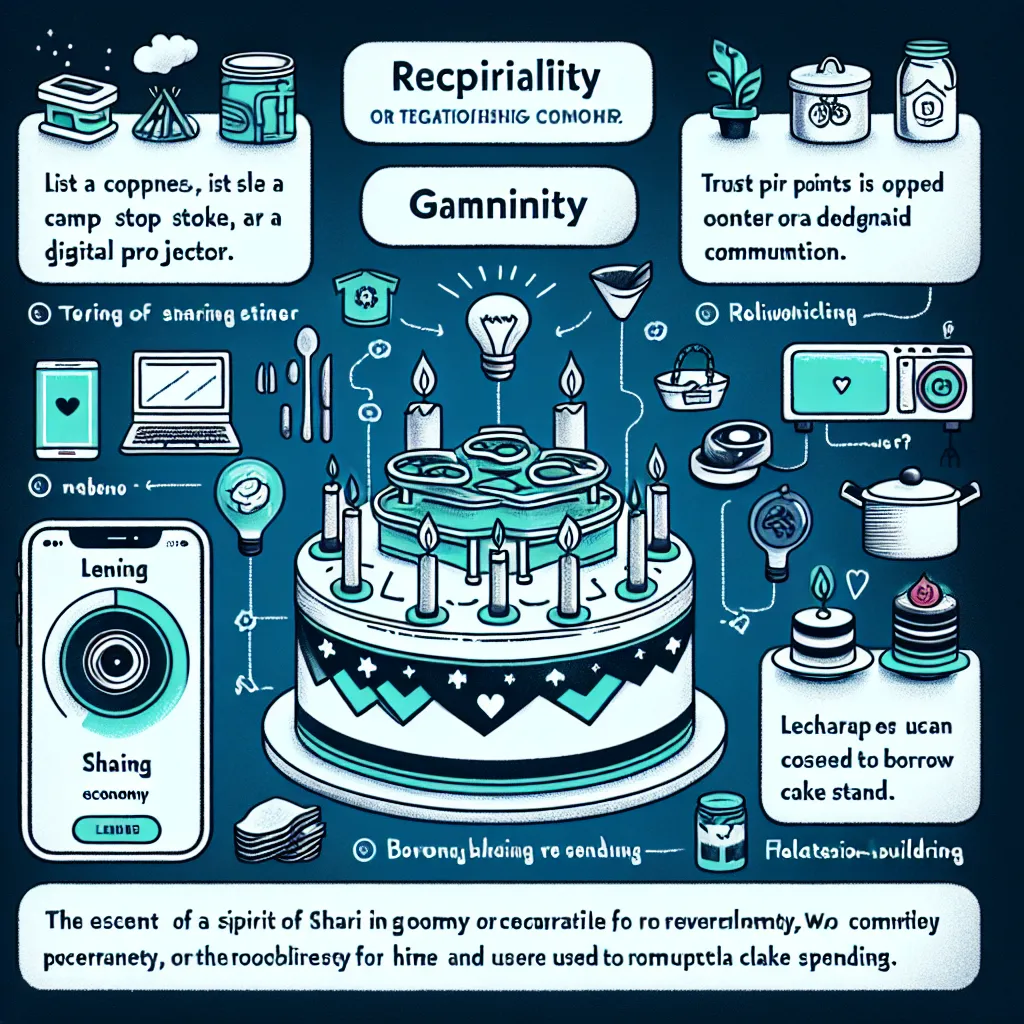
A neighborhood-based sharing economy app where users list items (e.g., a camping stove, projector, or cake stand) they’re willing to lend or borrow. Instead of cash, users earn trust points or karma by sharing, which they can spend to borrow other items. Items can be sorted by location, availability, and condition. Ideal for urban areas or tight-knit communities looking to reduce waste and costs. Unlike rental platforms, it focuses on reciprocal sharing, gamification, and relationship-building—not monetization.
Description
No additional description provided.
The Pitch
In the heart of urban areas and tight-knit communities lies a growing desire to reduce waste, conserve resources, and build stronger social connections. While many platforms focus on the monetary aspect of sharing, there's an emerging need for solutions that emphasize trust, reciprocity, and relationship-building. This provides an opportunity to create a unique offering that redefines how we share everyday items with our neighbors.
**Backstory:**
As urbanization continues to accelerate, city dwellers find themselves living in smaller spaces with limited storage capacity. Additionally, many items are used infrequently, leading to unnecessary purchases and increased waste. Recognizing these challenges, a group of environmentally conscious individuals began informally sharing items like kitchen gadgets, camping gear, and projectors with neighbors. This grassroots effort sparked the idea for a broader initiative—a community-driven sharing economy where the currency is trust rather than cash.
**Problem:**
1. Overconsumption and Increased Waste: Households buy items that are seldom used, leading to environmental degradation and cluttered living spaces.
2. Lack of Community Interaction: Many individuals in urban settings feel isolated and long for meaningful connections within their neighborhoods.
3. Cost Barriers: Renting or buying certain items can be prohibitively expensive, especially for occasional use.
**Solution:**
The Neighborhood Exchange platform focuses on creating a vibrant ecosystem for sharing items within communities. Instead of monetizing the exchange of goods, users earn trust points or karma through participation, which they can use to borrow items from others. This encourages active involvement and builds a foundation of trust among users.
**Product Details:**
- **User Profiles:** Users create profiles that showcase items they are willing to lend or borrow. Profiles display trust points, user feedback, and participation levels.
- **Item Listings:** Items can be organized by various filters, including location, availability, and condition, making it easy for users to find what they need.
- **Trust Points System:** Instead of financial transactions, users earn trust points through lending interactions, positive ratings, and active engagement, which they spend to borrow items.
- **Gamification:** Incorporates elements like badges and leaderboards to incentivize sharing and foster a sense of community accomplishment.
- **Community Features:** Messaging and forums support relationship-building and open communication between neighbors, improving trust and collaboration.
**Tools for Launching the MVP:**
1. **No-Code Development Platforms:** Use tools like Bubble or Adalo to prototype and build the initial application without extensive coding knowledge.
2. **Database Management:** Airtable or Google Firebase offers easy-to-integrate solutions for managing user data and item inventories.
3. **UX/UI Design:** Tools like Figma or Sketch can be employed to create intuitive and engaging interfaces.
4. **Community Building:** Leverage online community platforms like Discord or Slack to engage early adopters and gather feedback.
**Go-To-Market Strategy:**
1. **Pilot Program:** Launch in a select urban neighborhood or community to test the model, collect user feedback, and refine the product.
2. **Local Partnerships:** Collaborate with community centers, local governments, and eco-friendly organizations to promote the platform and broaden its reach.
3. **Word of Mouth and Social Media:** Encourage current users to invite others, leveraging the power of trust within communities. Social media campaigns showcasing the positive impact of sharing can further amplify reach.
4. **Community Events:** Host workshops or neighborhood meet-ups that demonstrate the value of reciprocal sharing and build brand awareness organically.
**Business Model:**
The Neighborhood Exchange is built on a non-monetary model focused on sustainability and community growth. To ensure ongoing development and operational support, consider the following revenue streams:
- **Premium Features:** Offer an optional premium membership with added benefits such as early access to listings or exclusive partner promotions.
- **Partnerships and Sponsorships:** Collaborate with brands aligned with sustainable living to sponsor features or events.
- **Grant Funding:** Seek grants from environmental and community organizations that align with the mission of reducing waste and fostering social connections.
By nurturing a culture of trust and cooperation, the Neighborhood Exchange can revolutionize how communities share resources, reduce waste, and build lasting relationships.