Community-Owned Clean Energy for Local Independence
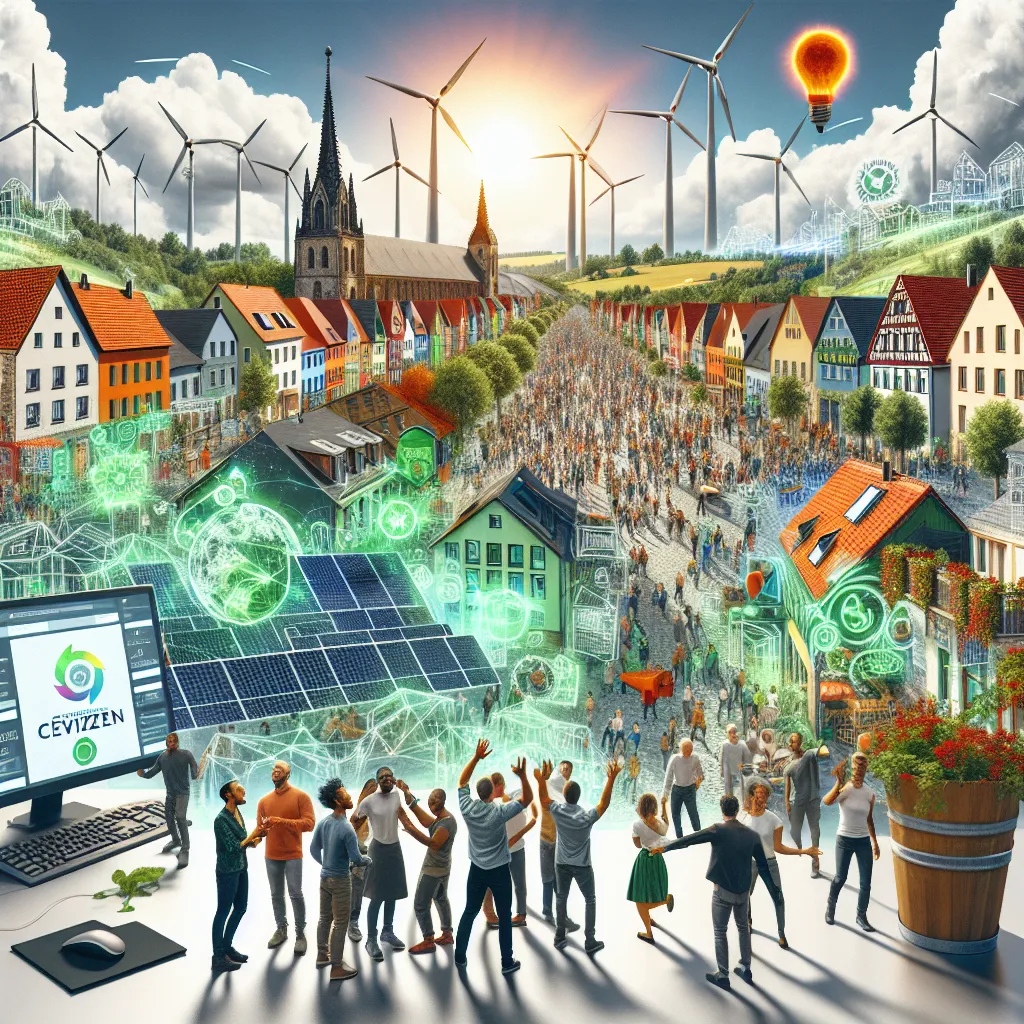
U.S. consumers are at the mercy of utility monopolies. In Germany, hundreds of towns run Bürgerenergiegenossenschaften (citizen energy co-ops), where residents pool funds to own and operate local solar or wind projects. Locals get cheaper, greener electricity and keep profits in the community. In Freiburg, residents literally co-own their solar panels. In the U.S., rooftop solar has grown but community co-ownership models are rare. A platform enabling community-owned clean energy would resonate with both sustainability and local independence narratives.
Description
No additional description provided.
The Pitch
The energy sector in the United States is primarily dominated by utility monopolies, leaving consumers with little control over their energy sources and costs. However, a shift towards more sustainable and community-oriented energy solutions is emerging globally. In Germany, for instance, citizen energy cooperatives, known as Bürgerenergiegenossenschaften, have successfully empowered communities to pool resources and take ownership of local renewable energy projects such as solar and wind energy. This model provides locals with cheaper, greener electricity while keeping profits within the community. Despite the growth of rooftop solar solutions in the U.S., the concept of community co-ownership remains underexplored. There is a ripe opportunity to introduce a platform that enables community-owned clean energy projects, tapping into both sustainability and local independence narratives.
The Backstory
In many European countries, citizen energy co-ops have transformed energy systems by enabling local communities to own and benefit from renewable energy solutions. For example, in Freiburg, Germany, residents not only utilize the energy generated by solar panels but also have a direct stake in the ownership of these panels. This model fosters a sense of empowerment, aligns with environmental sustainability, and supports local economies. Conversely, in the U.S., the energy sector's landscape remains largely centralized, leading to a lack of community engagement and limited adoption of decentralized, community-driven initiatives.
The Problem
The current U.S. energy model leaves consumers with limited choices and high costs. The dominance of large utility companies stifles innovation and engagement at the community level. Individuals who wish to contribute to cleaner energy initiatives often find the process lengthy, complex, and financially unfeasible without large-scale incentives. There is a growing desire for sustainable energy solutions that align with local needs and values while enabling economic benefits to remain within the community.
The Solution
Introducing a digital platform that facilitates the creation and management of citizen energy co-ops in the U.S. This platform will allow communities to easily pool funds, plan, and execute local renewable energy projects such as solar or wind installations. By simplifying the process of co-ownership, the platform will empower residents to take control of their energy sources, reduce costs, and contribute to environmental sustainability.
Product Details
1. User-Friendly Interface: A straightforward platform that guides users through the setup and management of energy co-ops. 2. Educational Resources: Workshops and materials to educate communities about the benefits and mechanics of co-ownership models. 3. Financial Models: Tools that simplify funding structures, investments, and returns, making co-op participation accessible to varied economic demographics. 4. Integration with Energy Providers: Partnerships with local renewable energy suppliers for streamlined installation and maintenance services. 5. Governance Tools: Features that facilitate collective decision-making and transparent management of co-ops. 6. Community Engagement: Online forums and collaboration spaces to foster community interaction and continuous engagement.
Tools for Easy MVP Launch
1. No-Code Platforms: Utilize tools like Bubble or Adalo to rapidly develop the initial platform without extensive coding. 2. Payment Solutions: Implement Stripe or PayPal for seamless transactions and investment pooling. 3. Educational Content Management: Use platforms like Teachable or Thinkific to host workshops and educational resources. 4. Social Media Integration: Leverage platforms like Hootsuite for managing community interactions and marketing. 5. Project Management: Tools like Trello or Asana for organizing tasks and facilitating internal team collaboration.
Go-To-Market Strategy (GTM)
1. Early Adopter Outreach: Collaborate with environmentally conscious communities and local governments to pilot the platform. 2. Partnerships: Form alliances with renewable energy providers to enhance credibility and operational support. 3. Awareness Campaigns: Launch targeted campaigns on social media and green energy forums to raise awareness and engage potential users. 4. Local Workshops: Host events and webinars to educate and motivate communities about the benefits and processes of establishing citizen energy co-ops. 5. Testimonials and Case Studies: Showcase successful projects and satisfied communities to build trust and inspire new users.
Business Model
1. Subscription Fees: Offer tiered subscription plans for managing co-op projects with varying degrees of platform features and support. 2. Transaction Fees: Charge a small percentage of each transaction processed through the platform. 3. Consultation Services: Provide premium services for detailed financial and technical consultations. 4. Sponsorship and Grants: Seek partnerships with governmental and environmental organizations for funding and sponsorships. 5. Advertising: Allow green energy companies to advertise on the platform, provided they align with the community values.
By bridging the gap between individual renewable energy adoption and community empowerment, this platform has the potential to revolutionize how U.S. communities interact with their energy sources, promoting sustainability, economic independence, and collaborative governance.