Community Microgrid Management Software for Solar Efficiency
As solar panels and batteries proliferate, neighborhoods struggle to coordinate energy usage and storage efficiently. A startup could create a software layer that orchestrates microgrids at the community level—managing load balancing, trading surplus energy between homes, and syncing battery discharges to grid demand. For instance, on a sunny afternoon, one home’s excess solar could automatically charge a neighbor’s EV, while the system tracks credits. The platform would optimize local resilience, reduce grid strain, and even sell excess energy back to utilities at peak prices.
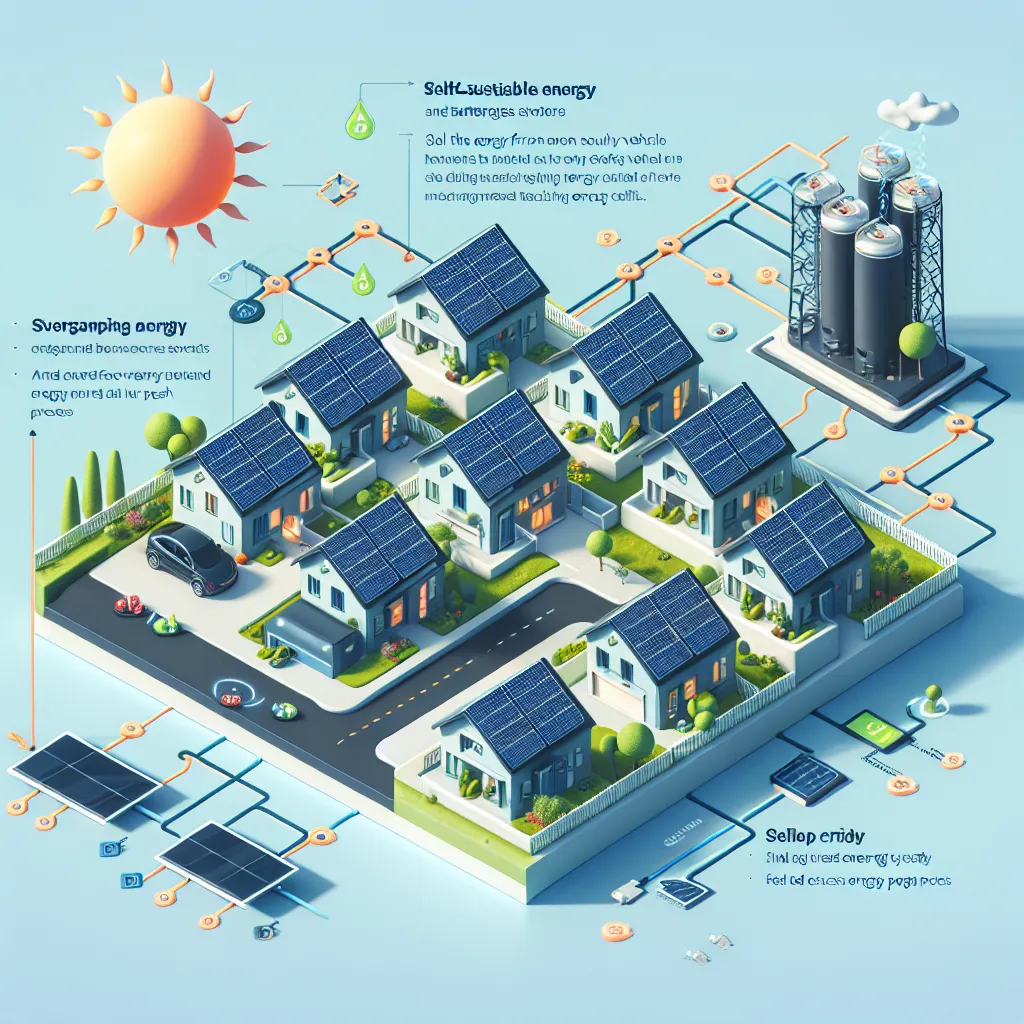
Description
No additional description provided.
The Pitch
As the adoption of solar panels and home battery systems accelerates, communities are facing significant challenges in the coordination and efficient utilization of their collective energy resources. This document outlines an innovative approach to address these challenges through the creation of a Community Energy Orchestration Platform, designed to transform local neighborhoods into smart microgrids. This platform will facilitate optimized energy usage, enhance local resilience, and provide residents with economic opportunities through efficient energy trading.
Backstory: In recent years, there has been a rapid increase in the installation of solar panels and home energy storage systems. While these technologies offer significant environmental and economic benefits, they also introduce complexities in managing energy resources at a local level. Homeowners often generate surplus solar energy that goes unused and could be shared with neighbors. Moreover, the traditional power grid struggles to handle the inconsistencies in energy demand and supply, leading to inefficiencies and potential grid instability.
Problem Statement: Current energy systems lack the sophistication required for effective community-level energy management. Homeowners face a range of issues, including:
- Inconsistent energy supply due to individual solar and battery setups not being interconnected. - Limited ability to trade surplus energy effectively within a neighborhood. - Inability to synchronize local energy storage with grid demand, leading to suboptimal energy utilization and increased grid strain. - Missed opportunities for financial gain by failing to sell excess energy back to utilities at peak prices.
Solution: To address these challenges, the proposed solution is a software platform that acts as a smart orchestration layer for neighborhood energy systems. The platform will enable better energy utilization, trading, and synchronization across communities. Key components of the solution include:
1. Load Balancing: The platform will manage energy distribution between homes to ensure stability and efficiency across the microgrid. 2. Energy Trading: Residents can trade surplus energy with neighbors using a credit system, optimizing local energy consumption. 3. Synchronization: The platform will align battery discharge with grid demand, preventing overloads during peak periods. 4. Utility Interaction: Automates the process of selling surplus energy back to the grid at premium rates during high-demand periods.
Product Details: The Community Energy Orchestration Platform will encompass the following features:
- Real-Time Monitoring: A dashboard providing insights into energy production, consumption, and trading activities. - Automated Controls: Algorithms to automate load balancing and energy transfer between homes. - User Interface: An intuitive mobile and web application for residents to manage their energy resources and engage in energy trading. - Analytics: Advanced analytics to predict energy production and optimize trading opportunities.
Tools for MVP Launch: To bring this project to market as a Minimum Viable Product (MVP), the following tools and technologies will be utilized:
- IoT Sensors: For real-time data collection on energy generation and consumption. - Cloud Computing: To process large datasets and execute complex algorithms. - Blockchain: To facilitate secure and transparent energy trading transactions. - AI and Machine Learning: For predictive analysis and automated decision-making.
GTM Strategy: The go-to-market strategy will involve:
1. Targeting environmentally-conscious neighborhoods and homeowner associations as pilot users. 2. Partnering with solar panel and battery manufacturers to integrate the platform with existing installations. 3. Offering initial incentives for early adopters, such as free energy credits or discounted installations. 4. Building a community of stakeholders through webinars, workshops, and informative content showcasing the platform's benefits.
Business Model: The Community Energy Orchestration Platform will adopt a subscription-based model with additional revenue streams from transaction fees on energy trades and partnerships with utility companies. Pricing tiers will be structured based on the number of users and volume of energy managed, offering scalable options for various community sizes.
Conclusion: The Community Energy Orchestration Platform offers a transformative solution to the challenges faced by modern neighborhoods in managing distributed energy resources. By creating a collaborative environment for energy utilization and trading, the platform not only enhances energy efficiency and resilience but also unlocks economic benefits for residents. Through technological innovation and strategic partnerships, this initiative stands poised to redefine how communities harness and benefit from renewable energy sources.