Community Micro-EV Sharing: Cost-Effective Mobility Solution
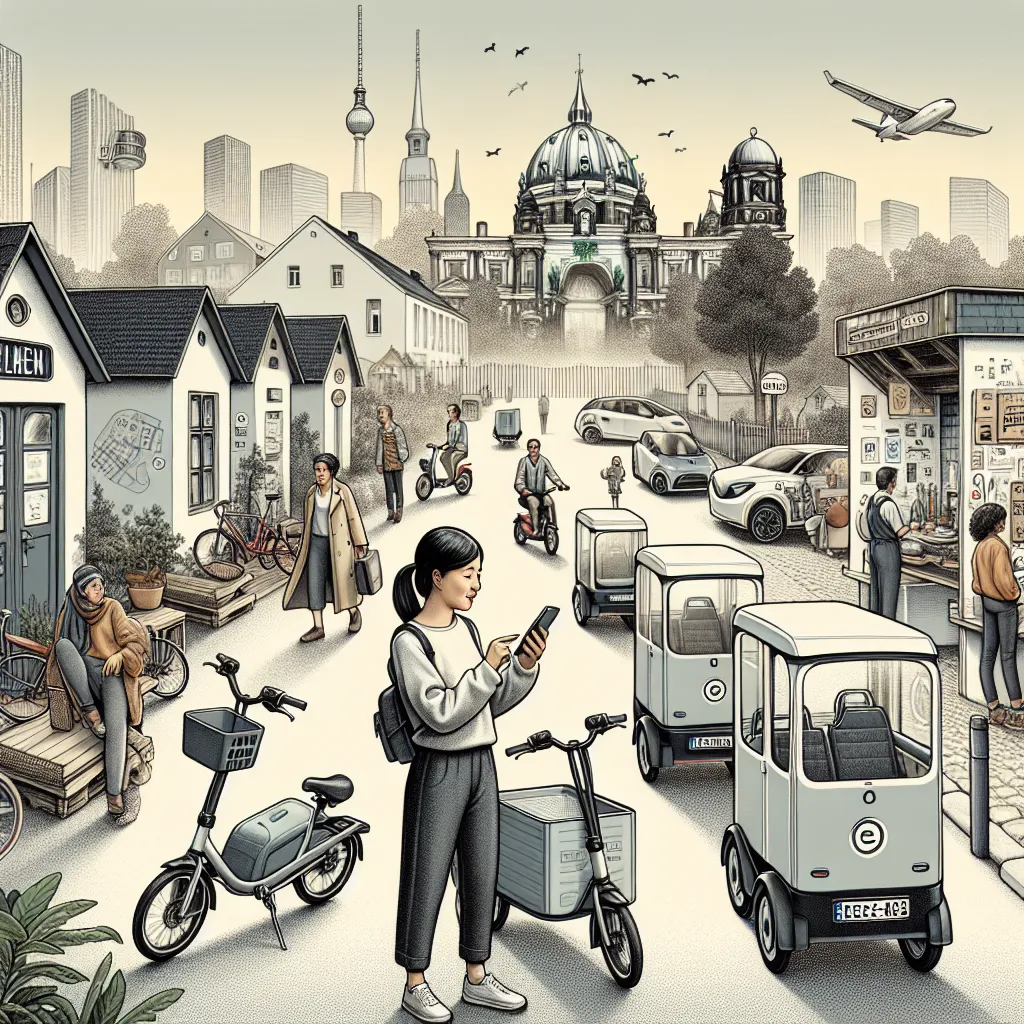
Owning a second car is one of the most expensive “just in case” purchases Americans make. Families shell out thousands per year in payments, insurance, and maintenance, even though that car often sits idle 90% of the time. The solution emerging overseas is community micro-EV sharing: small fleets of electric cargo bikes, mopeds, and compact EVs stationed directly in neighborhoods or apartment complexes, bookable through an app. It’s already thriving in places like Berlin and Copenhagen, where providers such as Nextbike and Flinkster partner with buildings to give residents flexible access without ownership. In Berlin, for instance, families rely on cargo bikes for school runs and grocery trips, cutting both costs and emissions. The model hasn’t crossed into mainstream U.S. suburbs yet, but given the rise in car insurance rates, federal EV incentives, and interest in 15-minute cities, it’s an opportunity waiting to be localized and scaled.
Description
No additional description provided.
The Pitch
The financial burden of owning a second vehicle is a significant challenge for many American families. Typically, these second cars are underutilized, incurring costs related to payments, insurance, and maintenance, while remaining idle most of the time. This pattern highlights a growing need for more efficient and sustainable mobility solutions, particularly in suburban areas where public transportation options may be limited.
Backstory: In various European cities such as Berlin and Copenhagen, a novel solution to this problem has emerged: community micro-EV sharing. This concept involves deploying small fleets of electric cargo bikes, mopeds, and compact electric vehicles strategically located in neighborhoods or apartment complexes. These vehicles are accessible through a user-friendly app, providing residents with the flexibility of car ownership without the associated costs and responsibilities.
The Problem: In the U.S., suburban areas typically lack the infrastructure and services that support efficient public transit, pushing families toward car ownership. However, with rising costs in car insurance and maintenance, alongside the broader economic and environmental implications, there is a pressing need for a sustainable, economical, and convenient transportation alternative.
The Solution: Community micro-EV sharing offers a practical solution by providing an array of electric vehicles that can be rented on-demand. This reduces the need for a second car, lowers transportation expenses, and minimizes environmental impact. The model promotes a shared economy, efficient vehicle use, and supports local behavior change toward sustainable living.
Product Details: 1. Vehicle Fleet: The program includes a variety of electric cargo bikes, mopeds, and compact EVs, each designed for specific needs such as short grocery runs or school pickups. 2. Mobile App: A centralized app allows users to locate, reserve, and access vehicles easily. It provides real-time availability, usage analytics, and payment options. 3. Charging Infrastructure: Vehicles are parked in convenient, accessible locations with charging stations, either leveraging existing infrastructure or deploying proprietary solutions. 4. Partnerships: Collaborations with residential complexes, municipalities, and businesses enhance access and integration into community settings.
Tools for Easy Launch: 1. Software Platforms: Utilize established mobility platforms like Vulog or Wunder Mobility for the backend. 2. Vehicle Suppliers: Partner with EV manufacturers to secure a diverse, sustainable fleet. 3. Payment Systems: Integrate with digital payment processors for seamless transactions. 4. Marketing Tools: Leverage social media and geo-targeted ads to drive initial awareness and adoption.
Go-To-Market Strategy: 1. Pilot Programs: Launch small, localized pilots in target neighborhoods or complexes to build case studies and refine the offering. 2. Partnerships: Collaborate with real estate developers and local authorities to establish initial station locations. 3. Community Engagement: Host community workshops and information sessions to educate and involve residents. 4. Promotions: Offer introductory pricing or subscription models to encourage trial and adoption.
Business Model: The primary revenue stream will come from pay-per-use rentals and subscription services offering users a certain number of rides or usage hours per month. Additional potential revenue sources include partnerships with advertisers for branding on vehicles and government incentives for implementing green initiatives.
Conclusion: Community micro-EV sharing represents a transformative opportunity to enhance mobility, reduce costs, and support environmental goals in suburban America. By adapting successful international models to local contexts, the initiative holds significant potential to reshape transportation paradigms and contribute to the development of sustainable, connected communities.