Community-Driven Solar Microgrids Uniting Small Towns
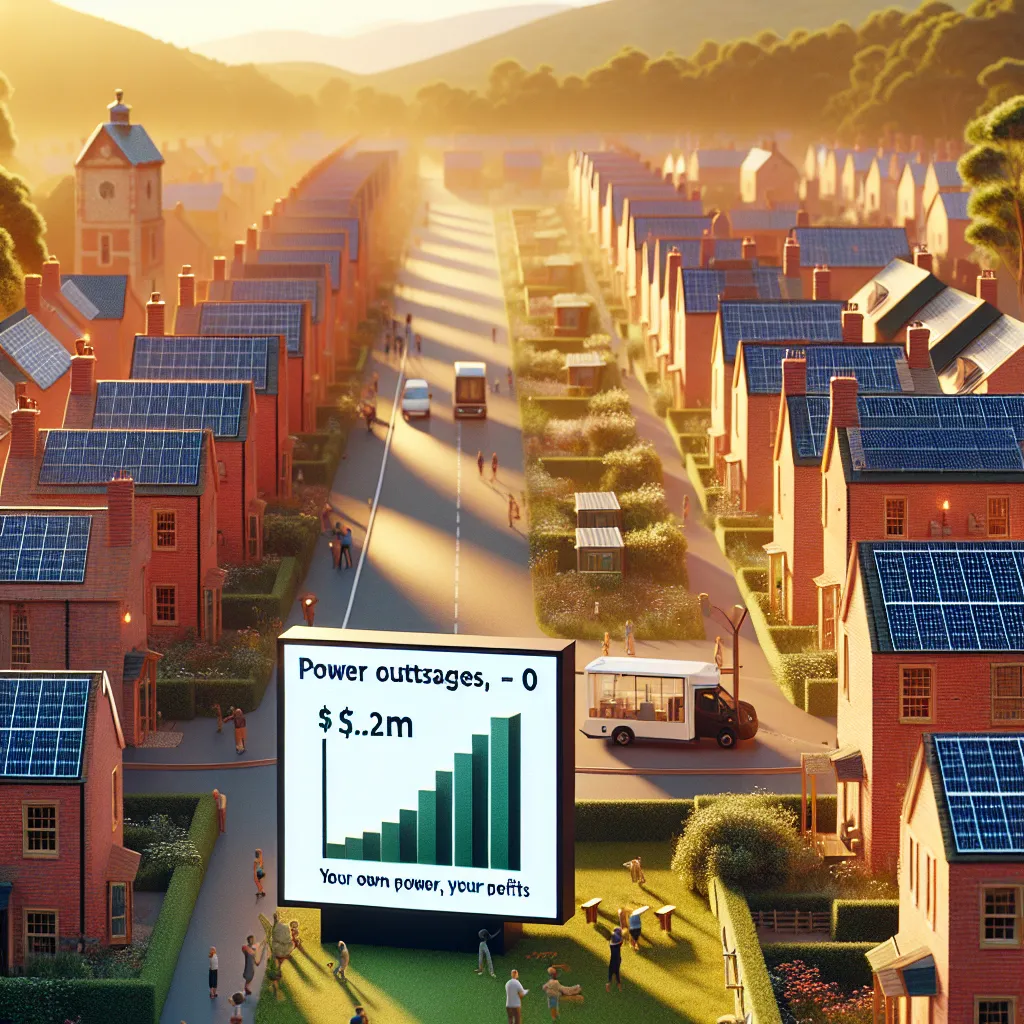
Small towns want reliable power but hate utility monopolies. This platform helps neighborhoods crowdfund and operate their own solar + storage microgrids, with profit-sharing. The trend: energy decentralization is gaining steam. For example, a 200-home HOA raises $1.2M for solar panels and batteries. Outages drop to zero. Residents get $300/year from surplus sales.
Description
No additional description provided.
The Pitch
In recent years, there has been a growing concern in small towns regarding the reliability and fairness of energy supplied by large utility companies. Many residents are frustrated with the frequent power outages and lack of autonomy over their energy sources. Additionally, these communities often feel trapped by the monopolistic nature of utility providers, which limits their options for more sustainable energy solutions.
**The Problem**
Small towns and neighborhoods across the country are experiencing challenges with existing utility providers who prioritize profit over service quality. Residents often endure frequent power outages, fluctuating electricity costs, and minimal input in the energy decision-making process. Furthermore, the dependence on traditional energy sources leaves communities vulnerable to the effects of climate change and rising fossil fuel prices.
**The Solution**
The concept of energy decentralization offers a promising solution to these concerns. By enabling neighborhoods to crowdfund and operate their own solar and storage microgrids, communities can gain independence from traditional utility companies. This approach not only improves energy reliability but also offers financial benefits through profit-sharing arrangements.
**How It Works**
1. **Community Engagement**: Residents of a neighborhood or Homeowners Association (HOA) come together to discuss energy independence and the potential for setting up a microgrid.
2. **Crowdfunding**: Through a dedicated platform, communities can raise funds necessary to purchase and install solar panels and battery storage systems. For example, a 200-home HOA might need to raise around $1.2 million to cover the initial setup costs.
3. **Installation and Operation**: With the funds raised, a contracted renewable energy provider installs the solar and storage systems. The microgrid can be configured to provide energy autonomy, with any surplus electricity being sold back to the grid or neighboring communities.
4. **Profit Sharing**: Residents benefit from profit-sharing arrangements where they receive dividends from the sale of surplus electricity. This could mean an additional income of around $300 per year for each household in the community.
**Product Details**
- **Solar Panels and Storage Batteries**: High-efficiency solar panels coupled with state-of-the-art storage batteries to ensure reliable energy supply. - **Crowdfunding Platform**: Tailored specifically for community energy projects, allowing transparent and secure fundraising. - **Energy Management Software**: A user-friendly application for monitoring energy consumption, production, and financial returns. - **Consultation and Support**: Expert guidance throughout the project lifecycle, from initial discussions to post-installation support.
**Tools for Easy Launch**
To facilitate the launch of this new community-based energy model, several tools and resources are available:
- **Crowdfunding Platforms**: Services like Kickstarter, Indiegogo, or specialty green energy platforms tailored for raising capital for renewable projects. - **Renewable Energy Consultants**: Companies specialize in assisting communities with planning and implementing solar and storage solutions. - **Project Management Software**: Tools like Asana or Trello can help in organizing and tracking project milestones and progress. - **Legal and Financial Advisors**: Expert advice ensuring compliance with local regulations and optimal financial structuring.
**Go-to-Market Strategy (GTM)**
1. **Awareness Campaign**: Utilize local events, social media, and partnerships with environmental organizations to raise awareness about the benefits of decentralized energy.
2. **Pilot Projects**: Launch a series of pilot projects in notably engaged communities to showcase the success and tangible benefits of microgrids.
3. **Partnerships**: Collaborate with local governments, NGOs, and tech companies to reach broader audiences and gain credibility.
4. **Testimonials and Case Studies**: Highlight successful projects and their impact on community resilience and financial savings.
**Business Model**
- **Subscription-Based Service**: Charge a small monthly fee per household for ongoing maintenance and support. - **Percentage of Surplus Sales**: Retain a small percentage of profit from surplus energy sales to support platform development and operation. - **Consultancy Fees**: Offer planning and consultancy services for new communities looking to implement their own microgrids.
By leveraging the power of community and innovation, small towns can achieve greater energy independence, reliability, and financial autonomy. The time to embrace decentralized energy solutions is now, positioning these communities at the forefront of the renewable energy revolution.