Communal Products Enhancing Connection Through Sharing
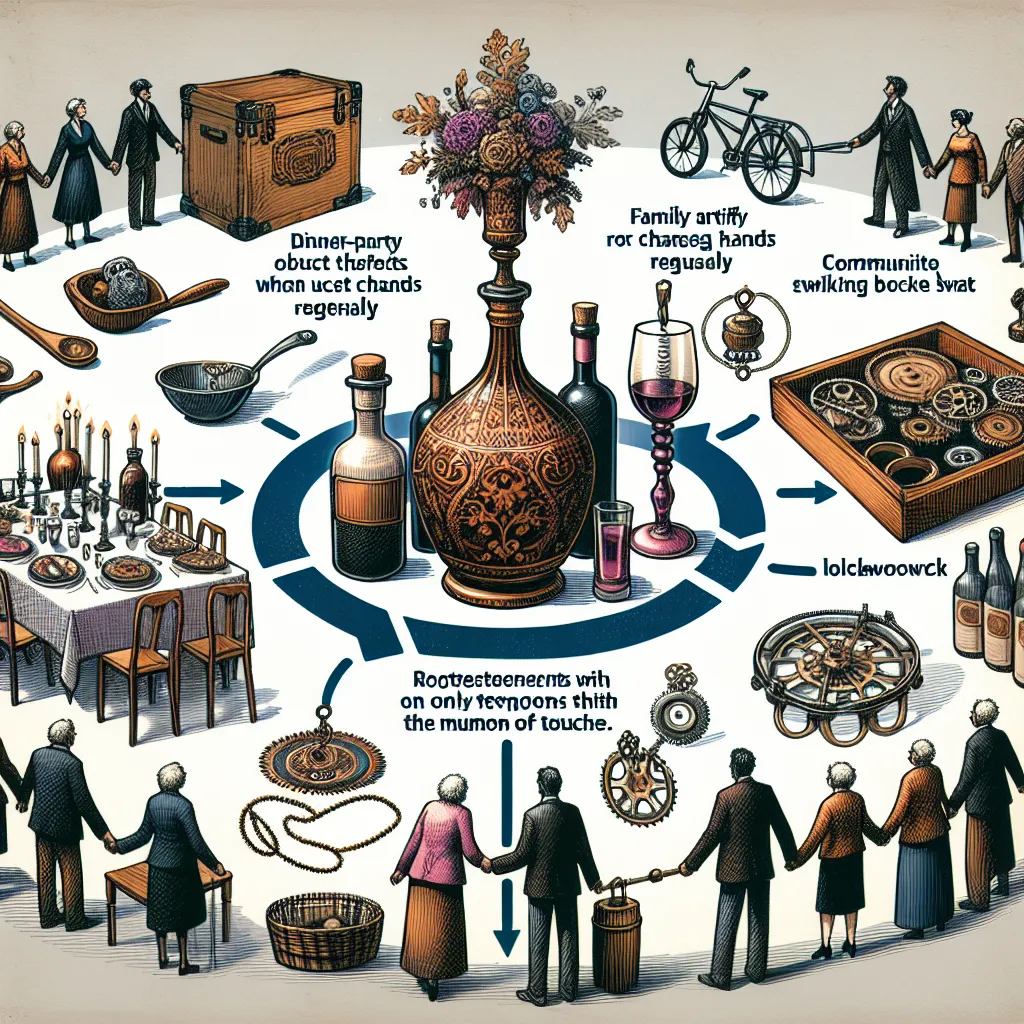
Ownership made sense when objects were scarce. Today, connection is scarce. This startup creates physical products optimized to be passed between people — a dinner-party object that must rotate homes, a family artifact that records who held it last, or a community item that only works if shared regularly. The product’s value increases the more hands it touches. Instead of loyalty programs or digital virality, the object itself enforces circulation. As physical products return as social anchors, the most powerful ones won’t belong to individuals — they’ll belong to relationships.
Description
No additional description provided.
The Pitch
In a world where hyper-connectivity often leads to superficial interactions, there arises a need for tangible connections that foster genuine community engagement. Our startup addresses this need by reimagining ownership in a way that is optimized for sharing and community building. We propose a new category of physical products designed to enhance social ties by encouraging circulation among people. These items are engineered to gain value and meaning as they change hands, focusing more on relationships than on solitary ownership.
Backstory
Historically, ownership has been tied to an economy of scarcity, where individual possession was a marker of wealth and status. However, in today’s era of mass production and digital surplus, the scarcity that holds true value is that of meaningful human connection. Encounters are increasingly fleeting and digitally mediated, leaving a void for tangible experiences that cultivate relationships. This shift opens a new frontier for products designed not to sit idle but to circulate, fostering community and shared experiences.
The Problem
As societies become digitized and individualized, there is an observable decline in authentic communal experiences. Objects, once a symbol of status, now overwhelm us, as measured by the excess of unused items in the average household. Current market offerings focus heavily on individual ownership, often overlooking the potential of objects to connect people. This model results in products that stagnate in utility and significance once purchased.
The Solution
Our startup proposes a unique line of physical products that are designed to thrive within a model of collaborative ownership. Each item is programmed to increase in value as it circulates among different users, forging connections that also document its journey across various hands and spaces. This concept repositions products as community-centric tools that naturally encourage interactions and relationships.
Product Details
1. Community Artifact: An elegantly-designed product that travels between homes, equipped with a digital feature to record its journey, capturing stories and insights from each custodian before it moves on.
2. Rotational Dinner-Party Item: A beautiful object meant for hosting, which rotates among a network of friends or neighbors, encouraging regular gatherings and enriching social calendars.
3. Share-Activated Device: A tech gadget that functions optimally only when it detects that it is shared among a designated community, rewarding users for engaging others in collaborative activities.
Tools for an MVP Launch
To simplify the MVP launch, we will utilize:
- Prototyping Platforms: Employ user-friendly prototyping tools like Figma for design and InVision for creating interactive product mock-ups. - Crowdfunding Sites: Utilize platforms such as Kickstarter to gauge interest and secure initial funding. - Supply Chain Tools: Leverage platforms like Alibaba for sourcing materials and ShipBob for fulfillment needs. - Community Engagement Software: Use tools like Nextdoor or Meetup to initiate local discussions and create sharing networks.
Go-To-Market Strategy
- Target Early Adopters: Begin by engaging community-driven groups, social clubs, and influencers who are passionate about social interactions and shared economy models. - Leverage Storytelling: Create engaging content around the journey of each product, sharing stories of its impact on communities. - Partner with Local Businesses: Collaborate with local restaurants, cafes, and bookstores to feature and circulate products, bridging the gap between digital outreach and physical presence. - Host Community Events: Organize launch events that double as networking opportunities, facilitating the circulation of our products among attendees.
Business Model
The business model revolves around a subscription-based service where users pay a recurring fee for access to a rotating selection of shared products. Additional revenue streams could include charging a nominal fee for any damage repairs or extending partnerships with local businesses for product-hosting opportunities. Over time, as data is accumulated from the circulation of products, there is potential for monetizing insights on community interactions and preferences.
Conclusion
In conclusion, our initiative seeks to transform physical products into relational anchors that foster meaningful experiences. By prioritizing circulation and shared ownership, we create a new dimension of value, one centered on connectivity rather than possession. This innovative approach not only enhances social ties but redefines how we perceive and generate value from objects in our lives.